
How to Price a Used Car for a Private Sale

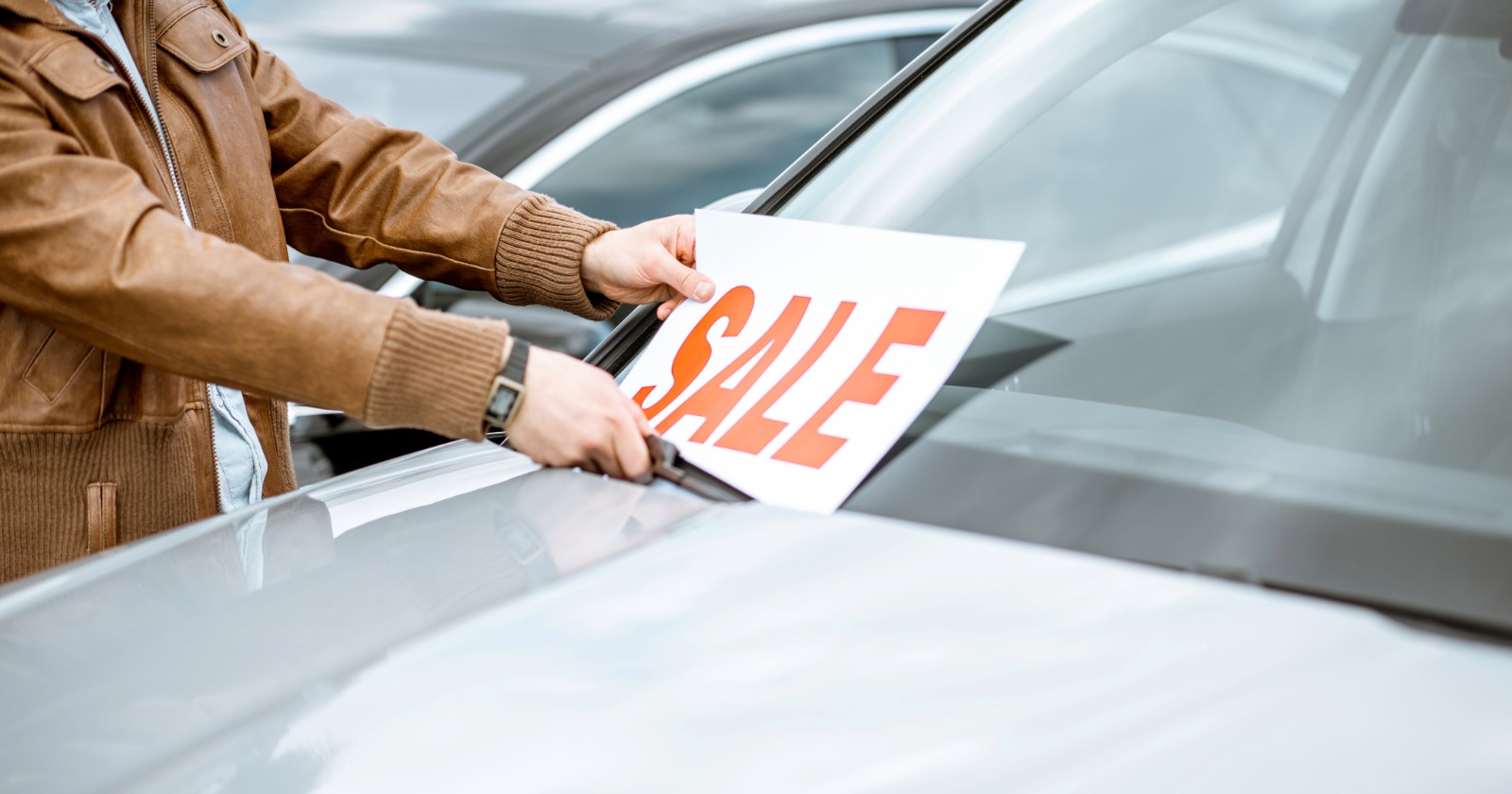
Setting the right asking price is the difference between a car that sells in a week and one that sits for a month. Price too high and buyers scroll past; price too low and you hand money away that you can never get back. The goal is a number that is high enough to protect your value but grounded enough that buyers see it as fair. This guide builds an accurate private-party number step by step, starting with book values, working through condition and local comps, and ending with a price that holds up through negotiation.
Start With Book Value Tools
Begin with an established valuation source to get a baseline. Kelley Blue Book at kbb.com and Edmunds both let you enter your car details and return an estimated value, and they matter because these are the same numbers many buyers pull up to check your price. Enter your exact year, make, model, and trim to start, then feed in your mileage and condition on the next screen. Use more than one source, since each uses its own data, and take the middle of the range rather than the highest figure. Treating the top number as gospel is the most common pricing mistake, and it keeps a car sitting unsold.
Adjust for Condition, Mileage, and Options
The baseline value assumes an average car, so you have to adjust for yours. Mileage is the biggest lever: a car well below average mileage for its age is worth more, and one well above the roughly twelve thousand miles a year that counts as typical is worth less. Be honest about condition, since most cars are closer to good than to excellent, and buyers spot the difference the moment they walk up. A cracked windshield, worn tires, a check-engine light, or torn upholstery each pulls the number down and gives a buyer a reason to haggle. Factory options like all-wheel drive, a tow package, leather, a sunroof, or a desirable engine can add real value, while a salvage or rebuilt title takes a large bite out of it and narrows your pool of buyers.
Use the Right Value: Private Party, Not Trade-In
Valuation tools show several numbers, and picking the wrong one costs you either time or money. Trade-in value is what a dealer pays you when you swap the car in, and it is the lowest figure because the dealer needs room to recondition and resell. Dealer retail is what a lot charges a buyer and is the highest, since it includes overhead and a warranty you cannot match. For selling to another person yourself, use the private-party value, which sits between the two. What this means is that a trade-in quote is not your asking price; it is the floor a dealer would offer, and selling privately is exactly how you capture the gap between that floor and full retail. Anchoring to the wrong one either leaves money on the table or prices you out of the market. As a rough guide, the private-party value on a typical used car often lands a few hundred to a couple thousand dollars above the trade-in figure, which is the money you are working to earn by selling it yourself. That gap is your reward for handling the listing, the showings, and the paperwork, so price to capture it rather than defaulting to whatever a dealer quoted you.
Check Local Market Comps
Book values set the baseline, but your local market sets the reality, and the two can differ by season and region. Search the marketplaces buyers in your area use for the same year, make, model, and similar mileage, then note the asking prices and how long each listing has been up. A car that has sat for weeks is likely priced too high, which tells you where the ceiling really is. Remember that listed prices are asking, not sold, so the actual sale numbers usually run a little lower. If your car is common in your area, you compete mostly on price and condition; if it is rare, seasonal, or in demand, such as a convertible in spring or an all-wheel-drive vehicle before winter, you have more room to hold firm.
Price to Leave Room for Negotiation
Almost every private buyer expects to haggle, so build a small cushion into your asking price. Decide the lowest number you will accept, then list a few hundred dollars above it so you can come down and still land where you want. The size of the cushion depends on the price of the car: a couple hundred dollars on a cheaper car and more on an expensive one. Do not inflate the price so far above market that buyers skip the listing entirely, because a car priced well over comps simply gets no calls and grows stale. Pricing at a round number just under a threshold, such as just below a search cutoff buyers use, can also put your listing in front of more eyes. A price that reads as fair but slightly negotiable draws the most interest and the most serious offers.
Understand How Your Price Affects the Buyer's Tax
The price you set does more than decide your payout; in most states the buyer pays sales tax on the purchase price when they register the car, and the rate is often several percent of the sale price. A higher price means a higher tax bill for them on top of what they pay you, which is one reason buyers negotiate hard and why an honest, well-supported price closes faster than a padded one. You can show a buyer their likely tax with our vehicle sales tax calculator, which can help a hesitant buyer see the true out-the-door cost and commit. Never agree to write a false low price on the bill of sale or title to cut that tax, because it is tax fraud and it exposes both of you to penalties.
Recheck the Price If the Car Is Not Selling
If a week or two passes with plenty of views but no serious offers, the market is telling you the price is high. Distinguish between two problems: few views usually means a weak listing or bad photos, while plenty of views and no calls usually means the price. Refresh your comps, look again at your photos and description, and when you do cut the price, adjust in a meaningful step rather than by ten dollars, because a tiny drop rarely re-triggers buyer interest or search alerts. A car priced right for its condition and mileage attracts calls quickly, so a quiet listing is almost always a pricing signal, not a demand problem. When you land the sale, record the agreed figure accurately on a vehicle bill of sale so your paperwork matches the price you actually took.
Sources
Frequently Asked Questions
Should I use trade-in value or private-party value to set my price?
Use private-party value. Trade-in value is what a dealer pays and is the lowest figure, while dealer retail is the highest. Private-party value sits in between and reflects what a person pays another person, which is exactly your situation in a private sale.
How much higher than my target should I list the car?
List a few hundred dollars above the lowest number you will accept so you have room to negotiate down and still land where you want. Avoid pricing far above local comps, since a car that reads as overpriced gets skipped and generates no calls at all.
Does the sale price affect the buyer's taxes?
Yes. In most states the buyer pays sales tax based on the purchase price when they register the vehicle, so a higher price raises their tax bill. That is part of why buyers negotiate. Always report the true price, because writing a false lower amount to reduce tax is fraud.
Along with his duties at YourLeaseAgreement, Paul Oak is a writer covering private sale transactions, vehicle transfers, and consumer legal documents. He breaks down state-by-state requirements into plain English so buyers and sellers can navigate the paperwork without hiring a lawyer. When he's not researching DMV forms and title transfer deadlines, he's probably arguing about which state has the worst bureaucracy.
View all posts →Create Your Bill of Sale
Generate a state-specific, professionally formatted bill of sale in minutes.
Get Started - $5