
Can You Hand Over the Car Before the Buyer's Payment Clears?

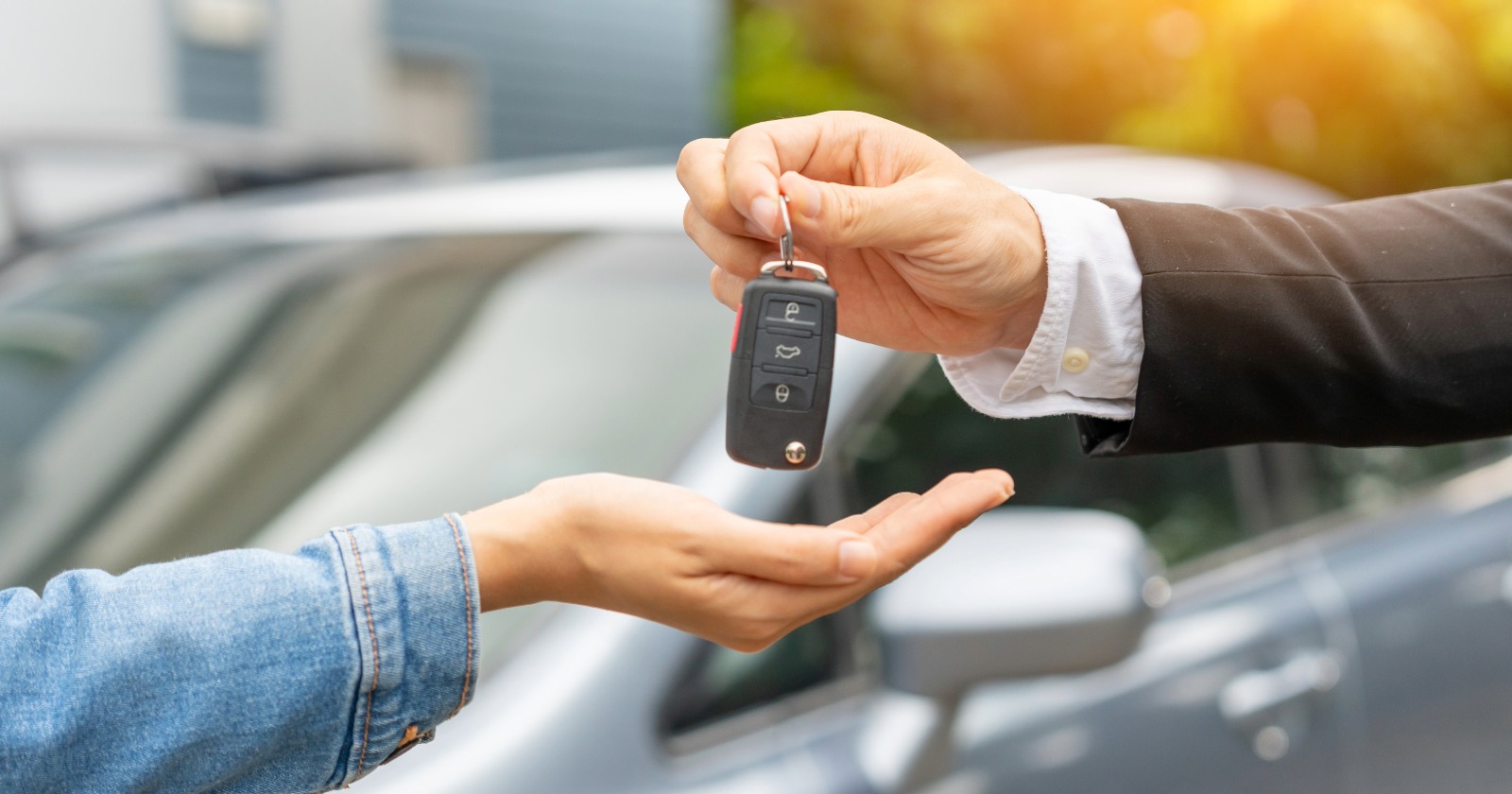
When you sell a car privately, the most dangerous moment is the handoff. A friendly buyer shows up, hands you a check, and asks for the keys and the title so they can drive home. The single rule that keeps you safe is this: do not release the car, the title, or the keys until the funds have actually cleared. Not deposited, not promised, actually cleared into your account.
This sounds harsh, and most buyers are honest. But the few who are not rely on sellers being polite and in a hurry. Slowing down at the payment step costs you nothing if the buyer is legitimate, and it saves you the entire car if they are not.
The One Rule That Protects You
Treat the car, the keys, and the title as a single package that stays with you until the money is real. A buyer who genuinely has the funds will not mind waiting for payment to clear, because they understand the position you are in. A buyer who pushes hard to take the car immediately, before you can confirm the money, is showing you a warning sign.
The risk is simple. If you hand over the car and the payment later fails, you are now chasing a stranger who already has your vehicle. Reversing that is slow, expensive, and often unsuccessful. Holding the car until funds clear keeps the upper hand on your side, which is where it belongs as the seller.
It helps to decide on this rule before you ever meet a buyer, not in the moment. In the moment there is social pressure, a buyer who seems nice, and a part of you that just wants the sale done. If you have already told yourself that nothing leaves your hands until the money is real, you do not have to make that decision under pressure with a stranger standing in your driveway.
Why Cashier's Checks and Holds Are Risky
Many sellers believe a cashier's check is as good as cash. It is not. Counterfeit cashier's checks are a common scam, and they can look completely real. The trap is that your bank may make the funds available quickly while the check itself is still being verified, so your account shows a balance before the check has truly cleared.
That gap between funds being available and funds being cleared is exactly where sellers lose cars. If the check turns out to be fake days later, the bank pulls the money back out of your account and you are left with nothing. A personal check is worse still, because it can bounce or be stopped. Until your bank confirms the money is final, assume it is not.
Close at the Bank
The cleanest way to handle payment is to meet at the buyer's bank, or your own, and complete the sale there. If the buyer is paying by check, you can often have the bank verify the funds or watch the transfer happen in person. If they are withdrawing cash, you are both in a safe place to count it.
Closing at a bank also gives you witnesses and cameras, which discourages anyone planning something dishonest. Schedule the meeting during banking hours, not at night, and not in an empty parking lot. The setting itself filters out a lot of bad actors before you ever exchange a single document.
If the buyer prefers an electronic payment, the same principle applies. A bank transfer or wire is only safe once it shows as settled in your account, not when the buyer shows you a confirmation screen on their phone. Screens can be faked, and some transfers can be reversed. Watch your own balance, not the buyer's device, before you treat the money as real.
Hold the Title Until It Clears
The title is your strongest card, so do not play it early. Even if you let the buyer inspect the car or sit in it, keep the signed title in your hand until the money is confirmed. Without the title, the buyer cannot register the car in their name, which means your name still controls it.
Once the funds have cleared, sign the title over, hand it to the buyer, and give them the keys at the same moment. Doing it all in one step, after payment is final, keeps the trade balanced. You give up the car exactly when you are sure of the money, not a minute before.
Be wary of any arrangement that splits these steps apart in time. If a buyer wants to take the car today and pay you in a few days, or wants the title now and the rest of the money later, you are taking on risk that should be theirs. A legitimate buyer can wait an hour for a check to clear or a transfer to settle. The ones who cannot wait are usually the ones you most need to slow down for.
Document the Sale
Once the money is real and the title is signed over, write up a bill of sale before everyone leaves. It should list both parties, the vehicle's year, make, model, and VIN, the price, the date, the odometer reading, and an as-is line. Both of you sign it, and each of you keeps a copy. You can prepare one from our vehicle bill of sale page.
That document is your proof that the sale happened, when it happened, and on what terms. It marks the moment you stopped being responsible for the car. Pair a properly cleared payment with a signed title and a dated bill of sale, and you have closed the sale the safe way, with nothing left dangling that could come back on you.
After the buyer drives off, close out your own side too. Remove the car from your insurance, and if your state offers a notice of transfer or release of liability, file it so the registration no longer points at you. Doing this on the same day keeps a clean line between the time the car was yours and the time it became theirs. The payment clearing is the part that protects your wallet, and the paperwork is the part that protects your name.
Frequently Asked Questions
Is a cashier's check safe to accept for a car?
Not automatically. Counterfeit cashier's checks are a common scam and can look real, and your bank may make the funds available before the check has actually cleared. Wait for your bank to confirm the money is final, ideally by closing at the buyer's bank where the funds can be verified in person.
When should I give the buyer the keys and title?
Only after the payment has actually cleared into your account, not just been deposited or made available. Hold the car, the keys, and the signed title as one package until the money is confirmed final, then hand them all over at once. A legitimate buyer will not object to waiting.
Where is the safest place to complete a private car sale?
At a bank, during banking hours, ideally the buyer's bank. You can verify a check or watch a transfer in person, count cash safely, and benefit from witnesses and cameras. Avoid closing at night or in an empty parking lot, and finish with a signed title and a dated bill of sale.
Along with his duties at YourLeaseAgreement, Paul Oak is a writer covering private sale transactions, vehicle transfers, and consumer legal documents. He breaks down state-by-state requirements into plain English so buyers and sellers can navigate the paperwork without hiring a lawyer. When he's not researching DMV forms and title transfer deadlines, he's probably arguing about which state has the worst bureaucracy.
View all posts →Create Your Bill of Sale
Generate a state-specific, professionally formatted bill of sale in minutes.
Get Started - $5