
How to Avoid Common Used-Car Scams When Buying From a Private Seller

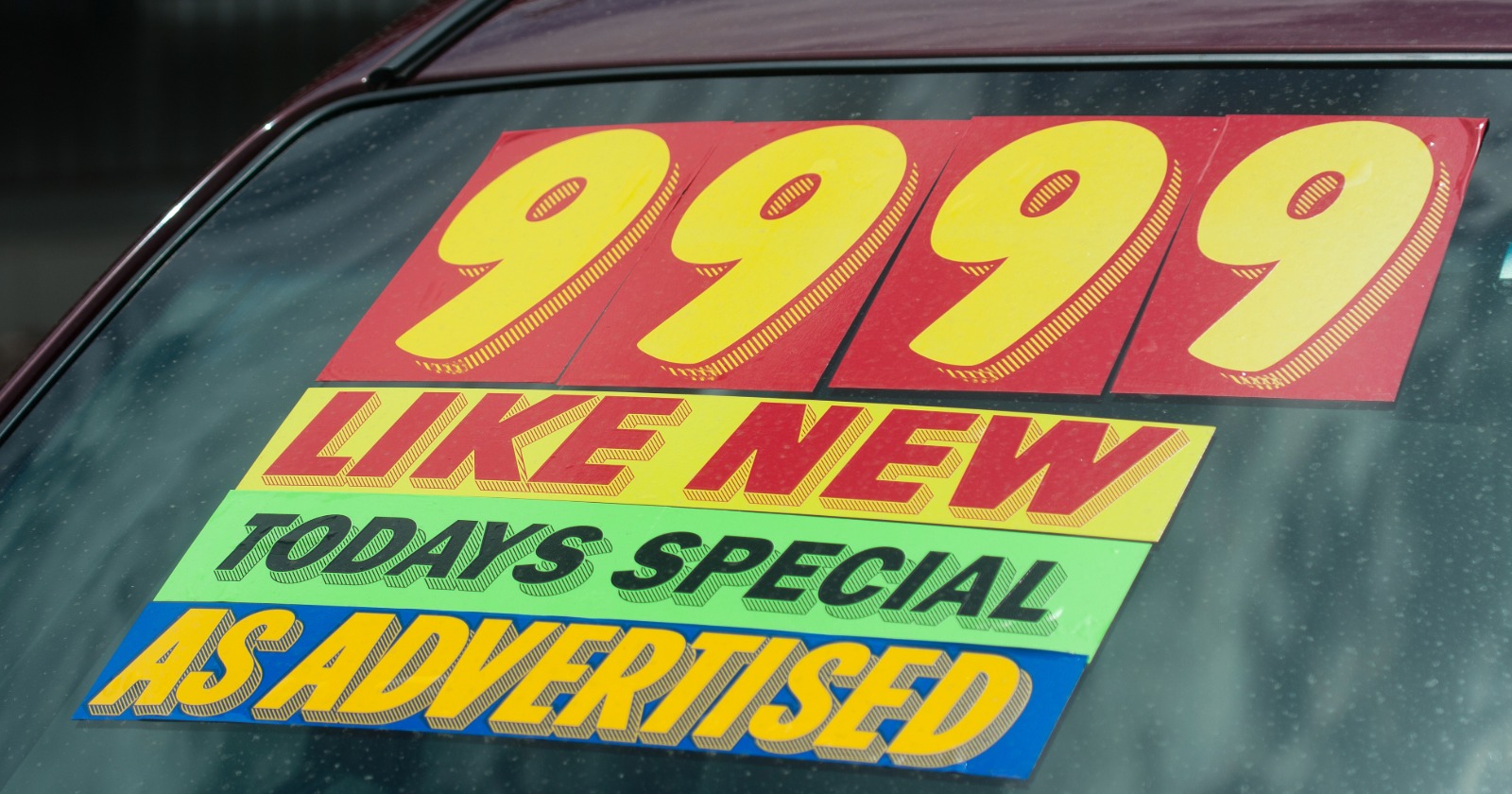
A used car bought from a private seller can save you real money, but a private sale also removes the guardrails a dealership normally provides. Private-party car scams follow a small number of familiar patterns, and once you learn to spot them you can walk away before any money changes hands. This guide explains how each trick works, what warning signs to watch for, and how a clean paper trail protects you as the buyer.
Title Washing and Hidden Salvage History
Title washing is the practice of moving a car through several states to erase a salvage, flood, or rebuilt brand from the title. A car that was totaled in Florida after a storm can reappear months later with a clean-looking title somewhere else, and the new buyer never learns about the damage. Before you pay, run the vehicle identification number through the free database offered by the National Insurance Crime Bureau (NICB) and check the title-history reports from Carfax or AutoCheck. If the seller shows you a title issued in a state where the car has never lived, or the title looks freshly printed on an older vehicle, ask direct questions and be ready to walk. A branded title is not always a dealbreaker, but a hidden one is. A title-history report that lists prior states of registration, reported accidents, and insurance loss records gives you a second opinion the seller cannot edit. When the report and the seller story disagree, believe the report.
Curbstoning and Unlicensed Dealers
Curbstoning happens when an unlicensed dealer poses as an ordinary private owner to move cars that may be salvaged, odometer-tampered, or still carrying a lien. The quickest tell is the name on the title. If the person selling the car is not the person named on the title, you are not buying from the owner. Ask to see a government-issued photo identification and confirm it matches the title exactly. If a single phone number shows up on several different vehicle listings around your area, you are probably dealing with a curbstoner who flips cars for a living. A genuine owner can tell you the car history, show maintenance records, and explain why they are selling. You can also ask how long they have owned the car and where they registered it, because an honest owner answers without hesitation while a curbstoner tends to stay vague about a car they picked up only to flip.
VIN Cloning
VIN cloning takes the identity of a legally registered car and stamps it onto a stolen one so the stolen vehicle carries a number that checks out on paper. Compare the VIN on the dashboard against the VIN on the driver door-jamb sticker and the VIN printed on the title. If any of the three fail to match, or a sticker looks peeled and reapplied, stop the sale. The National Highway Traffic Safety Administration (NHTSA) offers a free VIN decoder that confirms the number truly corresponds to the make, model, and year sitting in front of you. A mismatch between what the decoder returns and what you see on the car is a reason to involve local police rather than hand over money. It helps to photograph each VIN location on your phone during the inspection, so you can compare them side by side and keep a record if the deal turns out to be dishonest.
Odometer Rollback
An odometer rollback lowers the displayed mileage to make a heavily used car look lightly driven. Digital dashboards did not end the problem; they simply changed the tools scammers use. Compare the odometer reading against the mileage listed on past service invoices, inspection stickers, and the title itself. Wear on the pedals, the steering wheel, and the driver seat should roughly match the number on the dash. Federal law requires the seller to record the mileage at the time of transfer, so capture that exact figure on your vehicle bill of sale and keep a copy. If the seller resists writing down the mileage, treat that hesitation as a red flag. Ask for the maintenance history from the start, because a well-kept car usually comes with a stack of receipts that quietly confirm the true mileage over the years.
Fake Escrow, Wire, and Cashier-Check Fraud
Payment scams cut both ways, but as a buyer your main risk is sending money for a car you never receive. Fake escrow sites imitate a real holding service and disappear the moment you deposit funds. A cashier check can look genuine, pass the initial hold, and still bounce weeks later, at which point you are responsible for the full amount. The Federal Trade Commission (FTC) warns consumers never to wire money or send a check to someone they have not met in person, and never to accept a check written for more than the agreed price. Pay in person, at the buyer or seller bank when you can, and confirm the funds have actually settled rather than simply showing as available. Money that a bank makes available is not the same as money that has cleared. Real escrow is agreed by both parties from the start, not introduced late by a seller who suddenly insists on one specific website. If someone pushes you toward a payment method you did not choose, slow down and verify every detail on your own.
How a Bill of Sale and Title Check Protect You
A signed bill of sale is your record that the sale happened, on what date, for how much, and between which two named people. It should list the VIN, the odometer reading, the sale price, an as-is clause when the car is sold without warranty, and the printed names and signatures of both parties. Some states ask for the document to be notarized before a title can transfer, and you can confirm your state rule with our notarization checker. Pair the bill of sale with a title in the seller true legal name and an independent VIN history report, and most of the scams above collapse before they can reach your wallet. The few extra minutes it takes to check the paperwork is the cheapest insurance you will ever buy.
Sources
Frequently Asked Questions
How do I know if a used-car seller is really the owner?
Check that the name and photo on the seller government-issued ID match the name printed on the title exactly. If the names differ, or one phone number appears on many local listings, you may be dealing with an unlicensed dealer rather than the owner.
Is a cashier's check safe to accept from a buyer?
Not on its own. A fraudulent cashier's check can pass the initial bank hold and bounce weeks later, leaving you responsible for the amount. Meet at a bank, verify the check with the issuing institution, and wait for the funds to truly settle before releasing the car.
What should a used-car bill of sale include?
At a minimum it should list the VIN, the odometer reading, the sale price, the date, an as-is clause if there is no warranty, and the printed names and signatures of both the buyer and the seller. Check whether your state requires notarization before the title can transfer.
Along with his duties at YourLeaseAgreement, Paul Oak is a writer covering private sale transactions, vehicle transfers, and consumer legal documents. He breaks down state-by-state requirements into plain English so buyers and sellers can navigate the paperwork without hiring a lawyer. When he's not researching DMV forms and title transfer deadlines, he's probably arguing about which state has the worst bureaucracy.
View all posts →Create Your Bill of Sale
Generate a state-specific, professionally formatted bill of sale in minutes.
Get Started - $5