
Blog
Guides, tips, and state-specific information about bills of sale and private transactions.

How to finance a car you are buying from a private seller
Dealers arrange financing on the spot. A private seller can't, so the buyer has to line up the loan first. How private-party auto loans work, what the lender will ask for, and how the money and title move when there is still a loan on the car.
 Paul Oak · October 27, 2026 at 12:42 PM ET
Nevada vehicle bill of sale: what the state requires
Nevada has its own bill of sale, Form VP104, but it never replaces the signed title. Here is what the form asks for, who keeps the plates, and when a smog test carries over.
 Jill Stradley · October 26, 2026 at 12:06 PM ET
Questions to ask a private seller before you buy a used car
Nine questions to ask a private seller, each matched to the document or free federal lookup that proves the answer, plus the clause to copy into your bill of sale.
Paul Oak · October 23, 2026 at 12:31 PM ET 
Gifting a car to a grandchild: title, taxes, and paperwork
Michigan and Texas name grandchildren in their family transfer rules. Wisconsin does not, yet a true $0 gift still goes through tax-free there. Here is the paperwork for each.
Paul Oak · October 22, 2026 at 11:39 AM ET 
Florida firearm bill of sale: what the state requires
Florida does not require a bill of sale for a private gun sale between residents, but county rules and federal limits still apply. Here is what the document should record.
Paul Oak · October 21, 2026 at 12:28 PM ET 
How to sell a car privately in Washington state step by step
Washington sellers sign the title, pull the plates, and file a Report of Sale within 5 days. Buyers get 15 days to transfer. Here is a full Spokane example.
Jill Stradley · October 20, 2026 at 12:29 PM ET 
Buying a car from a private seller with a bank loan: how it works
With a private-party auto loan, the lender pays the seller or the seller's lender and goes on your title as lienholder. Here is the paperwork order.
Paul Oak · October 19, 2026 at 11:37 AM ET 
How to put a car in a living trust
You retitle the car to your trust with you as trustee, or skip the trust and use a transfer-on-death title in states that offer one. Here is how each works.
Jill Stradley · October 16, 2026 at 1:10 PM ET 
Oregon motorcycle bill of sale: what the state requires
Oregon requires a bill of sale for a motorcycle when the seller's name is not on the title. Here is what it must say, plus the odometer and notice-of-sale rules.
Paul Oak · October 15, 2026 at 12:26 PM ET 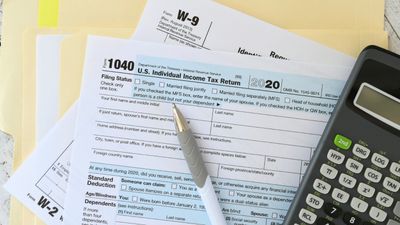
Do you pay taxes when you sell your car?
Most people who sell a used car owe nothing, because the car sold for less than they paid. The IRS still treats it as a capital asset, so a profit is taxable and a loss is not deductible. Here is how that works, and when it actually comes up.
Jill Stradley · October 14, 2026 at 11:47 AM ET 
How to transfer a boat title in Michigan
Michigan titles boats 20 feet or longer and any boat with a permanently affixed engine. Here is how the seller signs, what the bill of sale needs, and the buyer's 15-day deadline.
Jill Stradley · October 13, 2026 at 12:54 PM ET 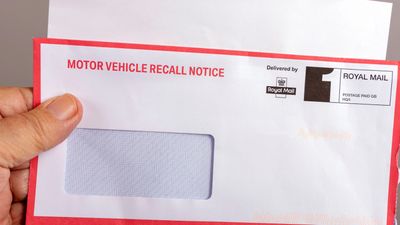
Can you sell a car with an open safety recall?
Federal recall law limits dealers selling new vehicles and rental companies, and its text does not reach private used-car sales. Here is how to check, fix, or disclose an open recall.
Jill Stradley · October 12, 2026 at 11:32 AM ET 
How to sell a golf cart privately
A standard golf cart usually changes hands with a bill of sale, while a street-legal low-speed vehicle has a title. Here is how to tell which one you have and what to write down.
Jill Stradley · October 9, 2026 at 1:21 PM ET 
What is a manufacturer's certificate of origin and when do you need one?
An MCO is the ownership document for a vehicle, trailer, or boat that has never been titled. Here is how it is signed over, what replaces it, and what to do if it goes missing.
Paul Oak · October 8, 2026 at 12:54 PM ET 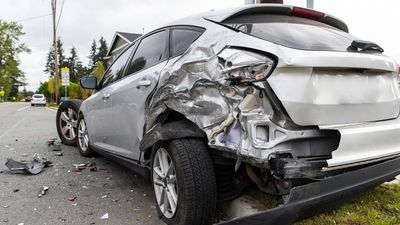
Selling a totaled car that still has a clean title
An insurer can write a car off while the paper title still reads clean. Here is how branding, disclosure, and the bill of sale work when you sell that car.
Jill Stradley · October 7, 2026 at 1:13 PM ET 
What to do when a buyer backs out after signing a bill of sale
The paperwork is signed and the buyer has gone silent. What that signature is worth depends on whether money changed hands, and on how far the title transfer already went.
Jill Stradley · October 6, 2026 at 11:19 AM ET 
How a vehicle power of attorney works in California
California uses the REG 260 form to let an agent sign vehicle transfer papers. The REG 256 Statement of Facts is a separate form the owner usually must sign personally.
Paul Oak · October 5, 2026 at 12:50 PM ET 
Can you sell your personal car to your own business?
Selling a car you own personally to your LLC or corporation is a real sale. Here is how to handle the bill of sale, title, price, tax, and insurance.
Paul Oak · October 2, 2026 at 11:22 AM ET 
Can you sell a car with unpaid parking tickets or tolls?
Unpaid tickets and tolls usually follow the registered owner, so a sale is often allowed. Some states block renewals or certain transfers, and sellers must report the sale.
Paul Oak · October 1, 2026 at 12:00 PM ET 
Can a minor buy a car?
A teen can pay for a car, but contract, title, and insurance rules get in the way. Here is how minors buy cars and what sellers should ask for.
Jill Stradley · September 30, 2026 at 12:24 PM ET 
Anatomy of a bill of sale: clauses explained
A standard bill of sale has about eight working parts, and each one exists because somebody once argued about it. Here is what belongs in every clause, and the mistake people make most often.
Paul Oak · September 29, 2026 at 12:13 PM ET 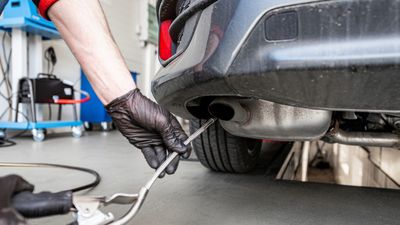
Emissions and smog tests when you sell a car: who is responsible
California makes the seller deliver a passing smog certificate. Nevada puts the test on the buyer. Most states never test at all. Here is how the rules break down and what to write into the sale.
Jill Stradley · September 28, 2026 at 1:08 PM ET 
Motorcycle bill of sale: What to include
A field by field guide to the motorcycle bill of sale, including the VIN, engine and frame numbers, odometer disclosure, as-is language, off-road bikes, and notary rules.
Jill Stradley · September 25, 2026 at 1:13 PM ET 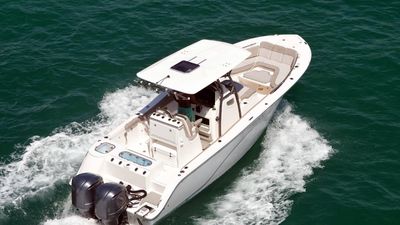
The best time of year to sell a boat
Used boat demand swells before the season opens and thins out once the water cools. Here is how to weigh a spring asking price against a fall sale and a winter of storage bills.
Paul Oak · September 24, 2026 at 1:28 PM ET 
What a title transfer costs in every state
State title fees run from $4 in Arizona to more than $200 in Wisconsin and Maryland. Here is the full ranking, what the fee actually buys, and why it is the smallest line on the bill.
Paul Oak · September 23, 2026 at 1:00 PM ET 
Do lemon laws apply to a private car sale?
Lemon laws protect buyers of new vehicles under a manufacturer warranty, and the FTC Used Car Rule binds dealers. A private sale is usually as-is, so the buyer's protection comes from somewhere else.
Jill Stradley · September 22, 2026 at 1:23 PM ET 
What to do when the seller never gives you the title
You paid, you have the keys, and the title never arrived. Work the remedies in order: chase the seller, check for a lienholder, then bonded title, court order, and the deadlines that quietly close each door.
Paul Oak · September 21, 2026 at 1:07 PM ET 
Wisconsin mobile home bill of sale: what the state requires
Wisconsin titles manufactured and mobile homes as personal property, and two different agencies handle them depending on year and length. Here is which office holds your title, what the sale document needs, and how fees and taxes work.
Paul Oak · September 18, 2026 at 1:24 PM ET 
Trading vehicles with another private party: How a swap works on paper
Swapping cars with someone feels simpler than selling one. On paper it is two sales at once, which means two bills of sale, two title assignments, and two tax bills.
Jill Stradley · September 17, 2026 at 12:25 PM ET 
Boat bill of sale: what to include
Field by field, everything a boat bill of sale should contain: both parties, the HIN, the motor serial, the trailer VIN, itemized prices, as-is language, and the signatures that make it stick.
Paul Oak · September 16, 2026 at 5:57 PM ET