
Selling a Car With Aftermarket Modifications: What to Disclose

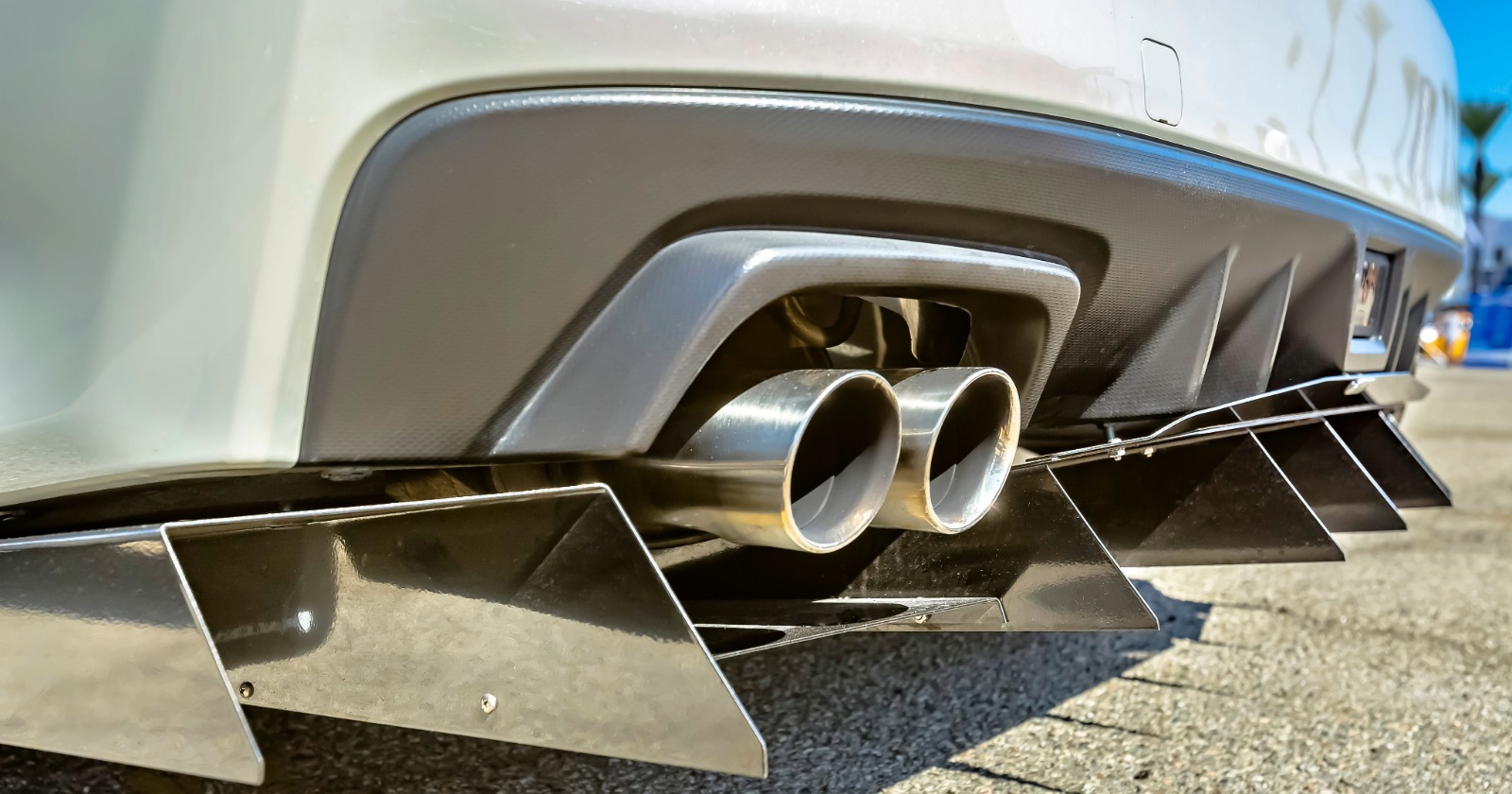
Selling a car you have modified adds a layer that a stock vehicle sale does not have. Every aftermarket change you made, from a lifted suspension to a tuned engine, becomes information the buyer needs and, in many cases, information you are wise to put in writing. Aftermarket modifications are any changes made to a vehicle after it left the factory, and they affect value, emissions compliance, insurability, and the buyer's ability to register the car in their name. This guide explains which modifications matter most, how they interact with inspection and registration, and how to document them honestly so the sale holds up after the buyer drives away.
Modifications That Affect Emissions and Inspection
The modifications most likely to cause a buyer trouble are the ones that touch the emissions system. A tune or ECU reflash changes how the engine runs and can disable emissions controls. A modified or deleted exhaust, especially the removal of a catalytic converter, changes tailpipe output directly. These changes may cause a car to fail a state emissions test or a safety inspection, and in many places a car cannot be registered until it passes.
This matters because emissions rules are enforced at both the federal and state level. The Environmental Protection Agency (EPA) regulates tampering with emissions equipment nationally, and in stricter states the California Air Resources Board (CARB) sets standards that other states have adopted, meaning some aftermarket parts are legal in one state and illegal in another. A buyer in a strict emissions county may be unable to register a car that a buyer in a rural county registers without any issue. Telling the buyer exactly what was changed lets them check their local rules before money changes hands.
Performance and Drivetrain Changes
Some modifications do not affect emissions but change the mechanical character of the car in ways a buyer must understand. An engine swap replaces the original engine with a different one, which can alter the vehicle described on the title and complicate registration if the paperwork does not match. A lifted or lowered suspension changes handling, ride height, and sometimes the load the frame and tires were designed to carry. Upgraded brakes, forced induction such as a turbocharger or supercharger, and transmission changes all shift the car away from its factory specification.
None of these are problems to hide. Many buyers actively want a modified car and will pay for the work you put in. The issue is expectation. A buyer who learns after the sale that the engine is not the one listed on the title, or that the lift was installed without corresponding upgrades to the braking and steering, has grounds to feel misled. Disclosing drivetrain changes up front turns a potential dispute into a selling point.
Salvaged and Used Parts
If any part of your car came from a salvaged vehicle or was itself a used component, that is worth disclosing. Salvaged parts are common and often perfectly serviceable, but a buyer deserves to know the provenance of major components, particularly airbags, structural parts, and safety systems. A previously deployed airbag that was replaced with a used unit is a genuine safety concern, and hiding it can expose you to liability far beyond the price of the car.
Reused body panels, doors, or a replaced frame section can also affect an alignment, a paint match, or the outcome of a future inspection. You do not need a receipt for every bolt, but you should be honest about any major repair or replacement you know about, especially anything that touches the safety of the vehicle.
How Modifications Affect the Buyer's Registration
When a buyer takes your car to their state motor vehicle agency, the vehicle is expected to match its title and to meet local safety and emissions standards. Modifications can interrupt that in a few ways. An engine swap may require the buyer to document the new engine. Emissions modifications may require the car to pass a test it can no longer pass. Suspension changes that push the vehicle outside legal height or lighting limits can fail a safety inspection outright.
You cannot control what happens at the buyer's agency, but you can prevent the surprise. A buyer who knows in advance that a car has a straight-pipe exhaust or an aftermarket tune can decide whether their state will allow it before they commit. A buyer who discovers it in the inspection line will blame you, and depending on how the sale was documented, may have a legal claim.
What to Put in the Bill of Sale
The bill of sale is where honest disclosure becomes a record that protects you. Your vehicle bill of sale should describe the car accurately, including a clear statement that it has been modified and, ideally, a short list of the major changes. Note the engine swap, the suspension work, the exhaust change, the tune, and any salvaged parts you know about. Listing modifications is not an admission that anything is wrong. It is proof that you told the buyer what they were getting.
Pair that list with a clear as-is statement. Selling a car as-is means you are selling it in its present condition with no warranty, and the buyer accepts responsibility for it after the sale. An as-is clause carries far more weight when it sits alongside honest disclosure, because a buyer cannot later claim they were deceived about a modification you plainly listed. The combination of an accurate description, a list of modifications, and an as-is acknowledgment signed by the buyer is your strongest protection.
Selling Honestly Protects You
The instinct to downplay modifications in order to close a sale usually backfires. A modified car sold to the wrong buyer, without disclosure, can come back as a demand for a refund, a dispute over a failed inspection, or in the worst case a claim over a safety part you concealed. The same car sold with full disclosure to a buyer who wanted the modifications is a clean transaction that stays closed.
Write down what you changed, explain how it may affect emissions and registration in the buyer's state, and record it all in a signed bill of sale with an as-is clause. Because state emissions and inspection rules vary widely, encourage the buyer to confirm local requirements before registering. Selling a modified car is not harder than selling a stock one when you treat disclosure as the tool that closes the deal rather than the thing that threatens it.
Frequently Asked Questions
Do I have to disclose modifications when selling my car?
Laws vary by state, but disclosing known modifications is both the safest and the most practical choice. Changes that affect emissions, safety, or how the car matches its title can prevent a buyer from registering the vehicle. Listing modifications in the bill of sale protects you by proving the buyer knew what they were purchasing, which undercuts any later claim of being deceived.
Can a buyer register a car that fails emissions because of my modifications?
It depends on their state and sometimes their county. Some areas require a passing emissions test before registration, so a car with a deleted catalytic converter or an emissions tune may be blocked until it is returned to a compliant configuration. Other areas have no emissions testing at all. Telling the buyer exactly what was modified lets them check their local rules first.
Does selling a car as-is protect me if it has modifications?
An as-is clause helps, because it means you sell the car in its current condition with no warranty and the buyer accepts it. However, an as-is clause is strongest when paired with honest disclosure. If you hide a modification, especially one affecting a safety system, a buyer may still have a claim. Combine the as-is statement with a written list of the changes.
Jill Stradley writes about private sales, title transfers, and the paperwork that trips people up when buying or selling cars, boats, and everything in between. She got interested in the topic after a used car sale gone wrong taught her more about DMV requirements than she ever wanted to know. Now she breaks down what each state actually requires so other people don't have to learn the hard way.
View all posts →Create Your Bill of Sale
Generate a state-specific, professionally formatted bill of sale in minutes.
Get Started - $5