
What happens to the license plates when you sell or buy a car
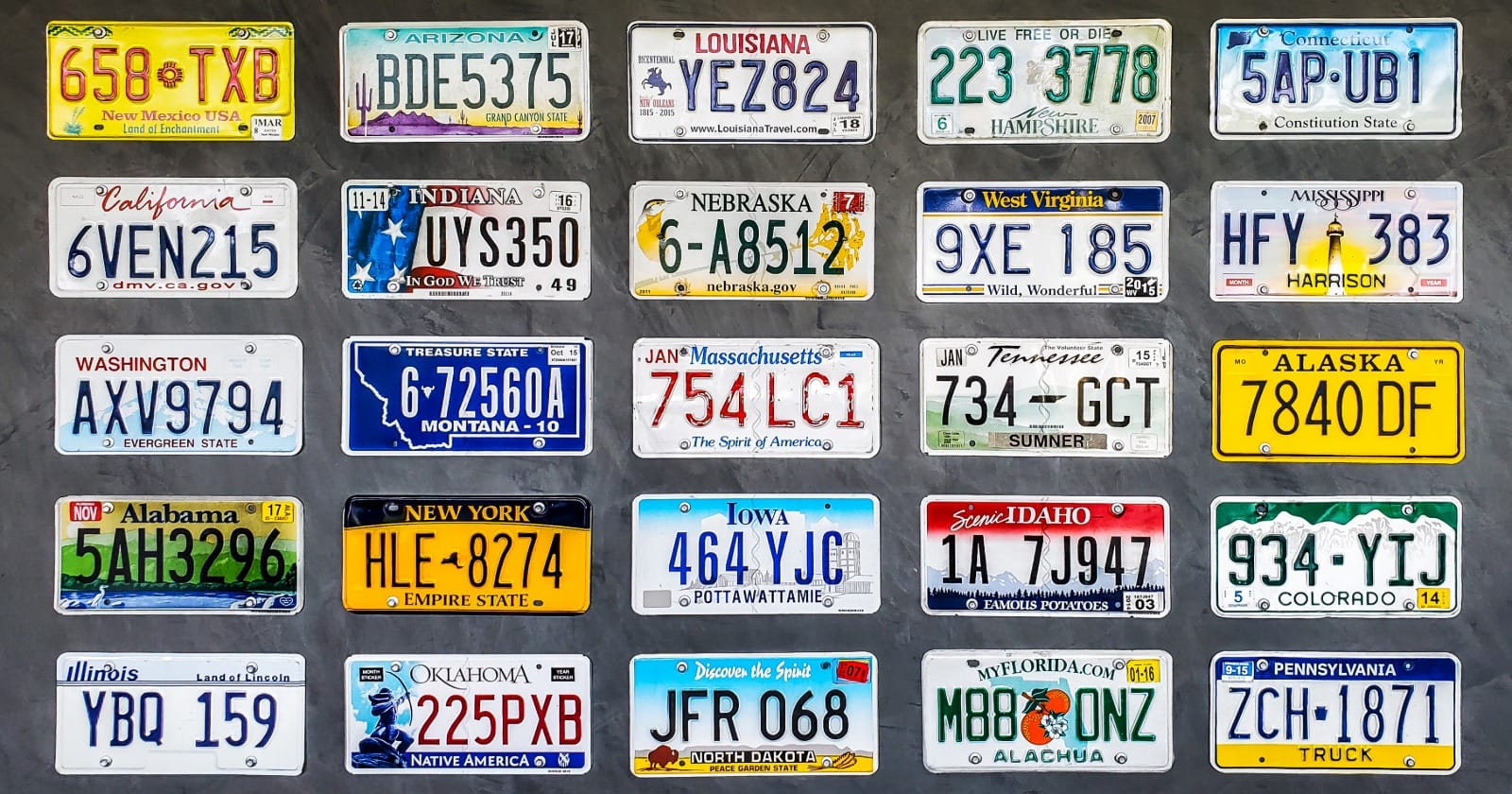
The title gets signed, the money changes hands, and then somebody asks the question nobody planned for: do the plates go with the car? In most of the country the answer is no. The plates are registered to a person, and they leave with the seller. Get that wrong and the seller keeps collecting the new owner's tolls and tickets.
Plates usually follow the owner
In most states a license plate is tied to the registered owner, not to the vehicle. When you sell, you take the plates off, and the buyer registers the car and gets their own. That's the default to assume unless your state's DMV says otherwise.
A smaller group of states works the other way: plates stay with the vehicle and pass to the buyer at the sale. California is the best-known example, though personalized plates there can still be kept by the owner. If you're not sure which system you're in, the plate or registration section of your state motor vehicle website will say in a sentence.
If you're the seller
- Remove the plates before the buyer drives away, in plate-to-owner states. A screwdriver at the curb is fine.
- File the release of liability or notice of sale your state offers. It records the sale date, and it's what protects you if the plates somehow stayed on. See the release of liability.
- Decide what happens to the plates: transfer them to your next car, turn them in, or keep them if your state allows it.
- Cancel the registration if you're not transferring it. In some states this triggers a refund of unused registration fees, and it matters where insurance is tied to active plates.
Moving your plates to a new car
Transferring plates is usually cheaper than buying new ones. When you register your next vehicle, tell the motor vehicle office you want to transfer your existing plates and registration. You'll typically bring the title or bill of sale for the new vehicle, proof of insurance, and your ID, and pay a transfer fee. Many states give you a set number of days after the purchase to do it, so don't let the plates sit in a drawer.
If you're the buyer
In plate-to-owner states, the car you just bought has no plates the moment the seller unscrews them. You need a temporary tag or transit permit, or you need to be in a state that gives a short grace period with the signed title, bill of sale, and proof of insurance in the car. Driving home on the seller's plates isn't a legal workaround, and it drags the seller into anything that happens on the way. See how to legally drive home a car you just bought.
In plate-with-vehicle states, the plates stay on and you update the registration into your name within your state's deadline. Keep the bill of sale in the car until the new registration arrives.
The mistake that follows sellers for months
Leaving plates on a sold car is how sellers end up receiving toll bills, red-light camera tickets, and parking citations for a vehicle they no longer own. Automated enforcement mails the notice to whoever the plate is registered to, and it's on you to prove the sale. A dated bill of sale that shows the time of transfer, plus a filed notice of sale, is how you prove it. See what to include in a bill of sale.