
How to legally drive home a car you just bought from a private seller
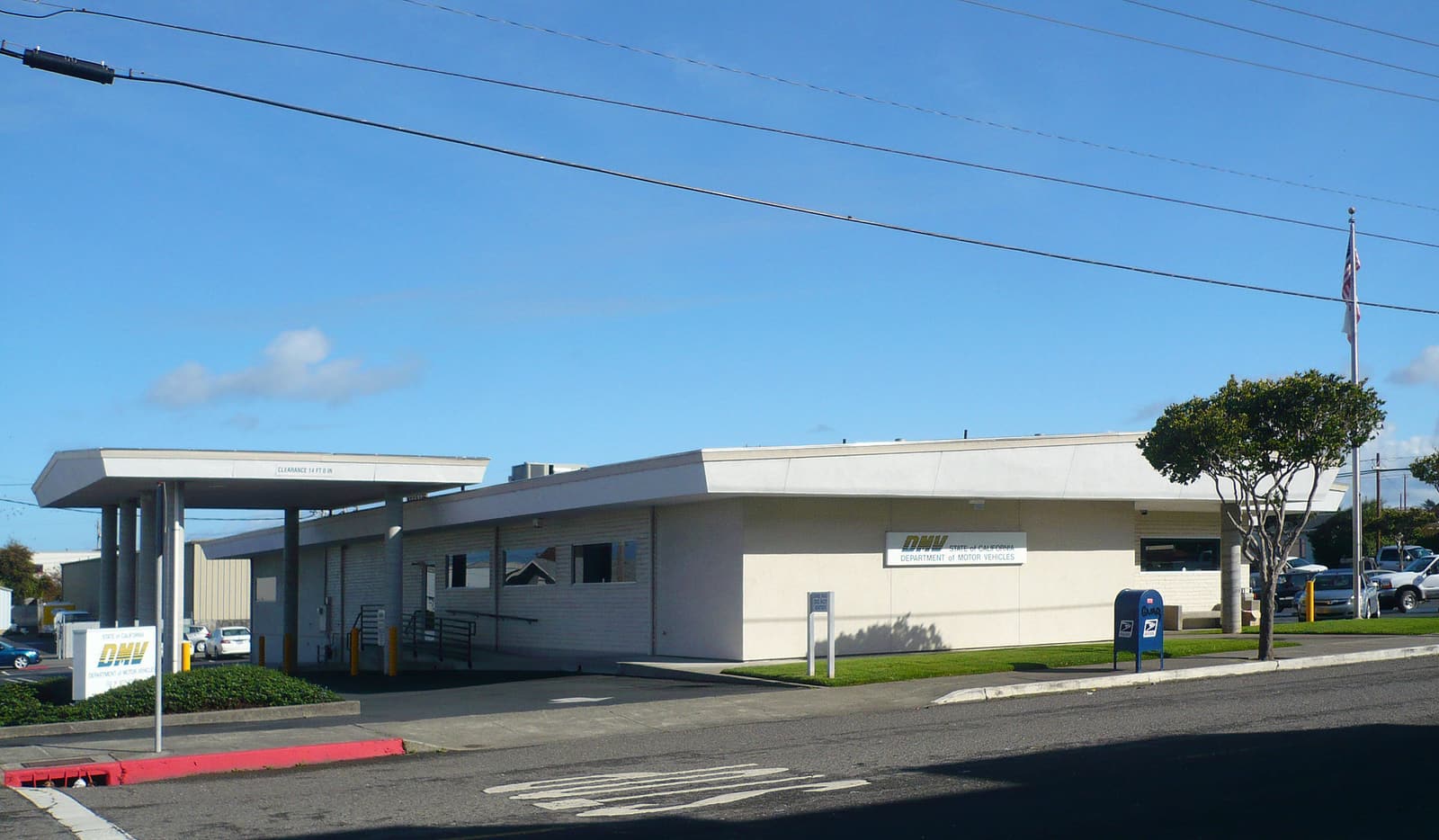
The money has cleared, the title is signed, and the seller is unscrewing the license plates. That last part is the moment most buyers realize they have a car they own and cannot legally drive. The gap between owning and being allowed on the road is small, but it is real, and the shortcuts people take to close it are the ones that produce tickets.
Why the car has no registration the moment you buy it
Registration and plates belong to the seller, not to the car. In most states the seller keeps the plates, either to transfer to their next vehicle or to surrender to the DMV. The car you just paid for therefore has an owner (you) and no current registration, and driving an unregistered vehicle on public roads is a citation in every state. The fix is a temporary credential that covers the days between the sale and your registration appointment.
Insurance comes first, before any of this
Call your insurer before you turn the key. Some policies extend automatic coverage to a newly acquired vehicle for a short period, but the terms vary by carrier, some require notice within a few days, and the coverage may be narrower than what you carry on your existing car. Adding the car by VIN takes a few minutes and produces the proof of insurance you will need for the temporary tag anyway. An accident on the drive home with no coverage is the expensive version of this story.
The three legal ways to get it home
- A temporary tag. Issued by your state DMV, often online or at a tag office the same day, valid for a set window (commonly 30 to 60 days). You need the signed title or bill of sale, proof of insurance, and ID.
- A transit or in-transit permit. A short-term permit specifically for moving a newly purchased vehicle, common for out-of-state purchases. Some states of purchase will issue one to a nonresident buyer.
- The short legal window. A few states allow you to drive for a limited number of days with the signed title, bill of sale, and proof of insurance in the car and no plate at all. Confirm this applies where you are before relying on it.
If none of those fit, the fallback is a trailer or a flatbed tow, which is also the answer if the car cannot pass inspection yet.
The shortcut that gets people ticketed
Borrowing the seller's plates for the drive home feels harmless and is illegal nearly everywhere. The plates are registered to a person who no longer owns the car; a traffic stop reveals the mismatch instantly, and the seller is exposed if you get a ticket or have an accident while the plates still trace to them. Sellers should remove the plates before the car leaves, and buyers should not ask. The only exception is the small group of states where plates transfer with the vehicle, and there the seller leaves them on deliberately.
What to have in the car
- The signed-over title, or a copy if the original is going to the DMV with you.
- The bill of sale showing the sale date, price, VIN, and both signatures.
- Proof of insurance naming the vehicle.
- The temporary tag or transit permit, displayed as your state requires.
- Your driver's license.
If you are pulled over, this stack shows a lawful purchase in progress. Without it, an officer sees an unregistered car with a stranger driving it.
Buying out of state
You title and register in your home state, which means the drive home crosses a line where the rules change. Many states issue a transit permit to nonresident buyers for exactly this trip, and some home states will honor a temporary tag issued by the state of purchase. Sort this out before you travel, not in the seller's driveway. See buying a vehicle out of state.
Then register it before the tag expires
The temporary tag is a countdown. Most states give you 10 to 30 days after purchase to register and pay sales tax, and the temporary credential usually expires around the same time. Bring the title, bill of sale, insurance, and payment. See whether you need a bill of sale to register and how sales tax works on a private sale.