
Do You Need a Bill of Sale to Register a Car?
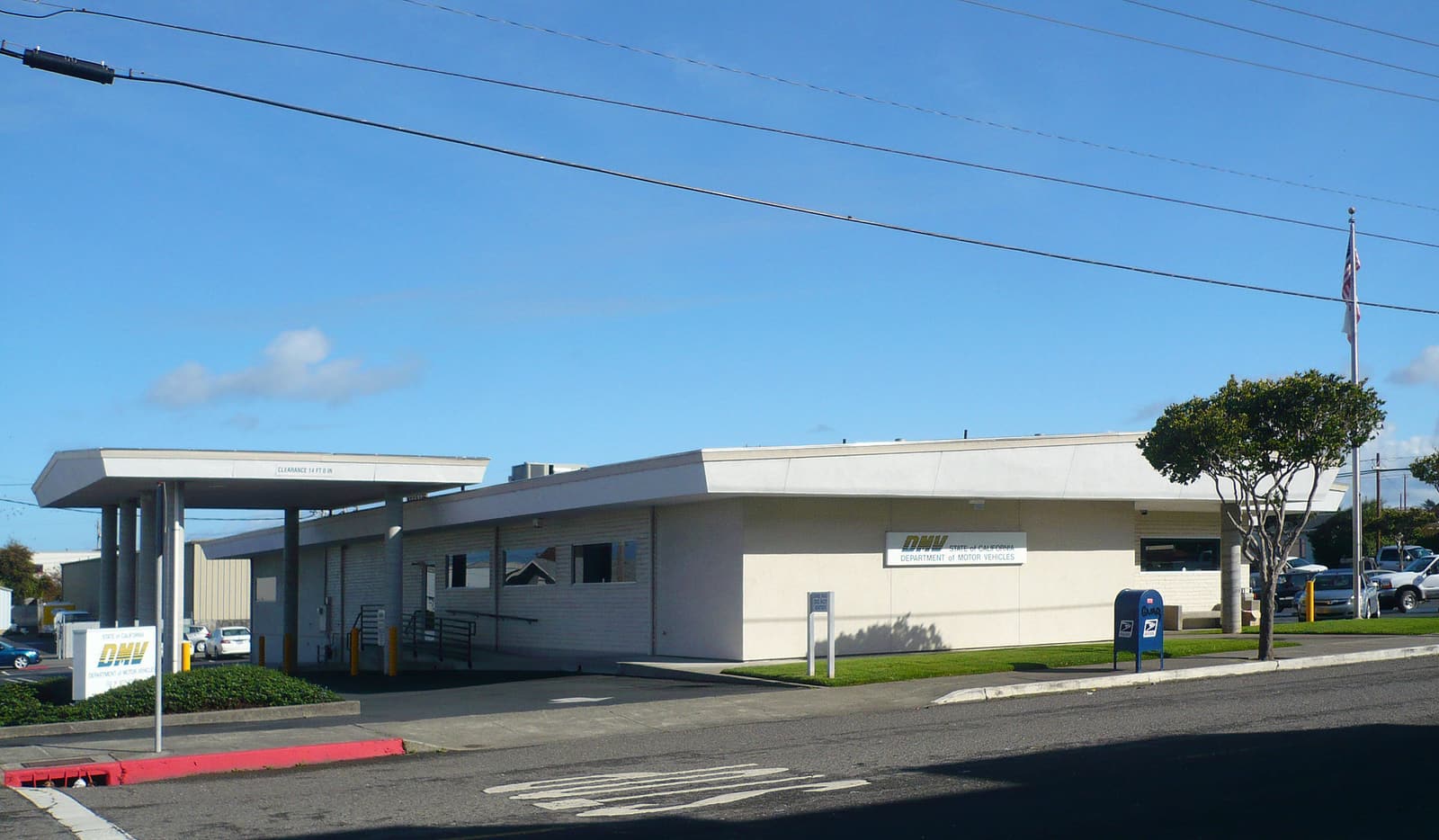
The short answer is: sometimes it is required, and it is always a good idea. Whether your state demands a bill of sale to register a car comes down to how that state handles the title and the sales tax. Here is when you actually need one, when the title alone will do, and why you should keep a bill of sale either way.
When a bill of sale is required
A bill of sale is most often required to register a vehicle in these situations:
- The title has no price field. Some state titles do not include a space to write the sale price, so the DMV asks for a bill of sale to calculate the tax you owe.
- You bought from an estate or at auction. These sales often lack a clean title assignment, so the bill of sale fills the gap.
- The vehicle has no title. When you are applying for a bonded or duplicate title, the bill of sale is part of the evidence that you bought the vehicle.
- Your state simply requires it. A number of states list a bill of sale among the standard registration documents for a private-party purchase.
When the title alone is enough
In many states, a properly assigned title (the seller has signed it over to you, with the odometer disclosure completed) is all you need to register. The title is the legal proof of ownership, and if it already records the sale price, the DMV may not ask for anything else. Even so, walking in with a bill of sale as well never hurts and often speeds things up.
Title vs bill of sale: what each one does
These two documents do different jobs, and you generally want both:
- The title (certificate of title). The government-issued proof of legal ownership. Signing it over is what actually transfers the car.
- The bill of sale. The receipt for the transaction. It records the price, the date, the odometer reading, and an as-is statement, which protects both buyer and seller.
For the full process from signing to plates, see our guide on how to transfer a car title.
Why you want a bill of sale even when it is optional
- The DMV frequently uses the recorded price to set your sales tax.
- It fixes the exact date ownership changed, which matters if a ticket or toll shows up.
- It records the odometer reading, protecting you against later mileage disputes.
- The as-is language protects the seller from complaints about the car after the sale.
What to bring to the DMV
- The title, signed over to you with the odometer disclosure complete.
- A completed bill of sale with the price, date, VIN, and odometer reading.
- Proof of insurance and your photo ID.
- Payment for the title fee, registration fee, and sales tax.
Most states give you a limited window (often 10 to 30 days) to register after buying, so do not sit on it.