
How to Sell a Car Privately: The Complete Step-by-Step Guide

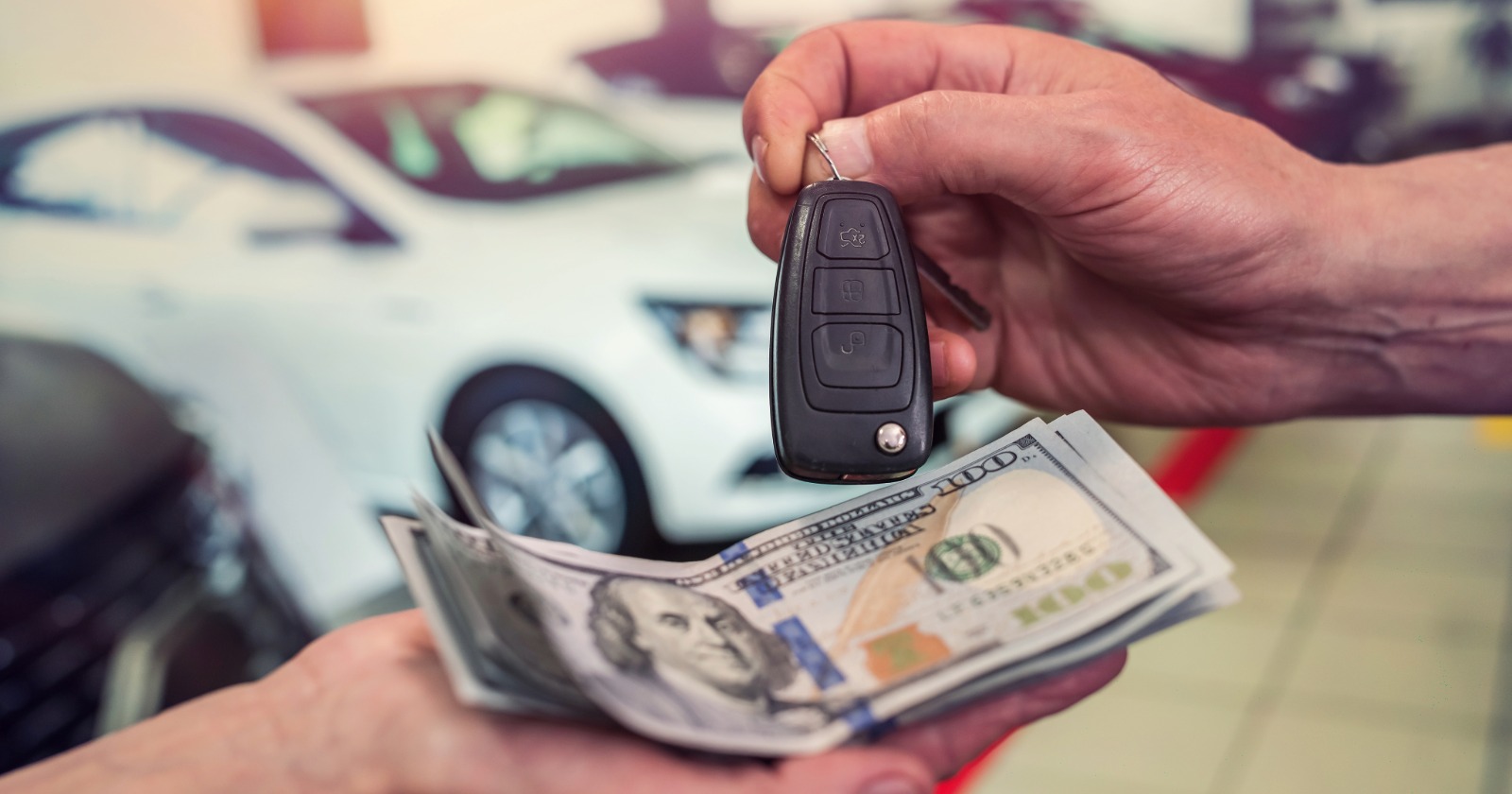
Selling your car yourself takes more work than trading it in, but a private sale almost always returns more money because you keep the margin a dealer would take. This guide covers the whole process in order, from setting the price to signing over the title and getting your name off the car for good.
Step 1: Gather Your Paperwork First
Before you list anything, pull together the documents a buyer will expect. You need the title in your name, your maintenance and repair records, the owner manual, and any warranty paperwork that transfers. Find the title and confirm the name on it matches your current legal name, because a mismatch from marriage, divorce, or a typo can stall the sale at the motor vehicle office. If you still owe money on the car, call your lender and ask exactly how they release the lien and hand over the title, because that process controls your timeline and can take a week or more. It also helps to run a vehicle history report and have it ready, since an informed buyer will ask for one anyway. Having the paperwork organized signals to a serious buyer that the car has been cared for and shortens every conversation that follows.
Step 2: Price the Car Accurately
Set your asking price using book value tools and local comparisons rather than a gut number. Look up your exact year, trim, mileage, and condition on more than one valuation source, then compare that baseline against similar cars actually listed in your area. Pick the private-party value, not the trade-in figure, because trade-in is the lower number a dealer would pay. Aim slightly above the amount you will really accept so you leave room to negotiate without scaring buyers off with an inflated number. If you want the full method, see our guide on how to price a used car for a private sale, and remember that your price also drives the buyer's tax bill, which you can preview with our vehicle sales tax calculator.
Step 3: Clean the Car and Take Strong Photos
Buyers judge a car in the first few photos, so the cleanup pays for itself. Wash and wax the exterior, vacuum and wipe down the interior, clean the glass inside and out, clear out your personal items, and shampoo the seats if they need it. A basic detail costs far less than the price difference a clean car commands. Photograph the car in good daylight against a plain background from every angle: front, back, both sides, all four corners, the wheels and tires, the engine bay, the odometer, the dash, and the seats. Take twenty or more shots and keep the best. Show any dents, scratches, or worn spots honestly, because photographing a flaw yourself builds trust and means nobody feels misled when they arrive to look.
Step 4: Write the Listing and Post It
A good listing answers questions before a buyer has to ask. Include the year, make, model, trim, mileage, VIN, number of owners, condition, service history, and a plain description of any flaws. Mention recent work like new tires, brakes, or a battery, since fresh maintenance justifies your price. State your asking price and whether it is firm or open to offers. Post on the marketplaces buyers in your area actually use, since a common commuter car and a rare enthusiast car reach different crowds. Never publish your home address, and use a Google Voice number or the platform messaging so you control how buyers reach you and can screen them before anyone shows up.
Step 5: Screen Buyers Before You Meet
Not every message is a real buyer, and screening early saves you wasted meetings. Legitimate buyers ask specific questions about the car, ask about the maintenance history, and want to see it in person. Be wary of anyone who offers to pay more than you are asking, wants to ship the car through a third party, sends a check for more than the price and asks for the difference back, pushes you to use an unfamiliar payment app, or refuses to talk on the phone. Those are the classic patterns behind used-car scams. A quick phone call before you agree to meet weeds out most of the time-wasters, and if a conversation feels off in any way, trust your instincts and move on to the next person.
Step 6: Handle the Test Drive Safely
Meet in a public place during daylight, such as a bank parking lot or a busy shopping center, and bring a friend if you can. Ask to see the buyer's valid driver license and take a photo of it before they get behind the wheel. Ride along for the test drive and keep it on a set route. Confirm your own insurance covers a test drive, since coverage rules vary by policy and state.
Step 7: Negotiate and Agree on a Price
Expect an offer below your asking price and decide your walk-away number in advance. Let the buyer make the first offer, stay calm, and point to your research when you counter. If a buyer raises a real problem during inspection, you can adjust or hold firm, but do not feel pressured to accept a number that does not work for you. Once you agree, write the final figure down so there is no confusion at payment.
Step 8: Take Payment the Safe Way
Payment is the moment scams happen, so handle it deliberately. Cash and a verified bank transfer are the safest ways to get paid. For larger amounts, meet at the buyer's bank during business hours so a teller can issue and confirm a cashier check or process a wire while you both watch, which also gives you a secure indoor place to sign paperwork. Do not accept a personal check, and be careful with a cashier check received anywhere but the bank counter, because forged ones look convincing and can bounce days later. If a buyer wants to use a payment app, confirm the money has actually landed in your account, not just that a pending notice appeared. Never hand over the title or the keys until the funds have truly cleared.
Step 9: Complete the Bill of Sale
A vehicle bill of sale records the transaction and protects both sides. It should list the buyer and seller names, the date, the sale price, the VIN, the odometer reading, and the vehicle description, then get signed by both parties. Some states require this document to register the car, and a few require it to be notarized, which you can check with our notarization checker. Keep a signed copy for your records.
Step 10: Sign Over the Title and Release Liability
The title transfer is what actually moves ownership, so treat it as the real close of the sale. Fill in the seller assignment section on the title, record the odometer reading and sale price where asked, and sign exactly as your name appears on the front. If your state requires the seller signature to be notarized, do not sign until you are in front of the notary. Depending on your state, you may need to remove your license plates and either surrender them or transfer them to another car, because in most states the plates stay with you, not the vehicle. Finally, and this step protects you the most, file a notice of transfer or release of liability with your motor vehicle agency the same day so you are not held responsible for parking tickets, tolls, or an accident the new owner causes before they register the car. For the field by field walkthrough, read our guide on how to sign over a car title to a buyer.
Frequently Asked Questions
Is it safe to sell a car privately?
Yes, when you take basic precautions. Meet buyers in a public place during daylight, verify a driver license before a test drive, take payment in cash or a bank-verified transfer, and never release the keys or title until the money has cleared. Filing a release of liability afterward protects you from anything the new owner does.
What paperwork do I need to sell my car privately?
You need the title in your name, a bill of sale, and any lien release if you had a loan. Maintenance records and the owner manual help close the sale. Some states also require an odometer disclosure and a notice of transfer, and a few require the bill of sale to be notarized.
How do I avoid getting scammed when selling a car?
Watch for overpayment offers, requests to ship the car through a third party, and checks written for the wrong amount. Only accept cash or a transfer verified at a bank counter, and never sign over the title before the funds clear. If a buyer refuses to meet in person or talk by phone, walk away.
Along with his duties at YourLeaseAgreement, Paul Oak is a writer covering private sale transactions, vehicle transfers, and consumer legal documents. He breaks down state-by-state requirements into plain English so buyers and sellers can navigate the paperwork without hiring a lawyer. When he's not researching DMV forms and title transfer deadlines, he's probably arguing about which state has the worst bureaucracy.
View all posts →Create Your Bill of Sale
Generate a state-specific, professionally formatted bill of sale in minutes.
Get Started - $5