
How to Sign Over a Car Title to a Buyer

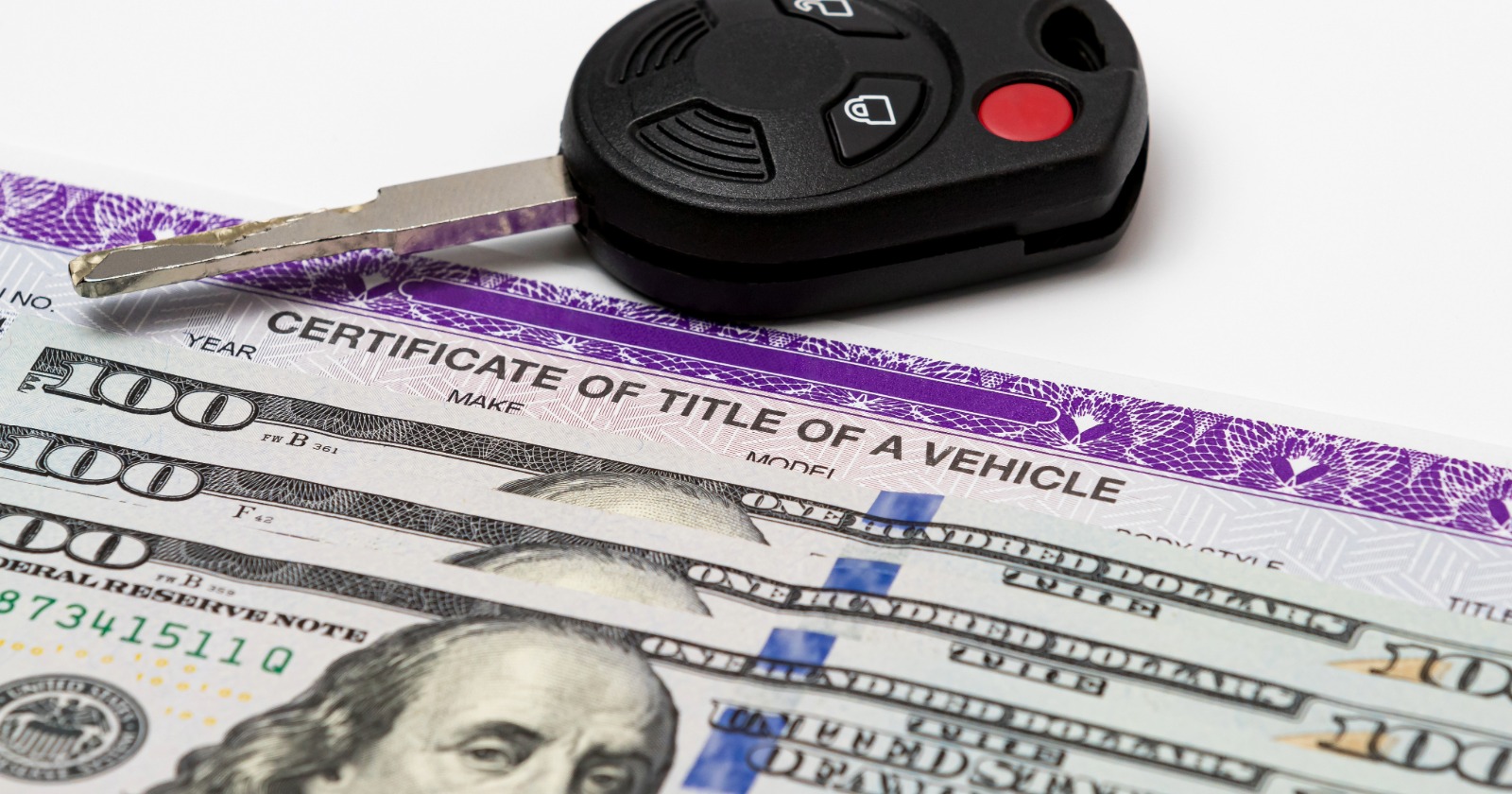
The car title is the legal document that proves who owns a vehicle, so signing it over correctly is what actually transfers ownership to your buyer. A single missing signature, a wrong entry, or a stray correction can void the certificate and send both of you back to the motor vehicle office for a duplicate, delaying the sale by weeks. Selling a car with a lien, joint owners, or an out-of-state title each adds its own wrinkle. This guide explains what each part of the assignment means, where notarization comes in, and how to complete the whole thing cleanly the first time.
Find the Seller Assignment Section
Most titles carry a section called the seller assignment or transfer of ownership, usually printed on the back of the certificate. This is the area where you legally sign the vehicle over to the new owner, and it is separate from the front of the title, which simply identifies you as the current owner. Before you write anything, read the whole section so you understand which lines are for the seller and which are for the buyer, because the layout differs from state to state. What this means in practice is that you should never sign until you know exactly where your signature belongs. Titles are difficult and sometimes impossible to correct once ink is on the page, so a careful minute of reading now prevents an expensive trip for a duplicate later.
Record the Odometer Reading
Federal law requires an odometer disclosure when ownership of most vehicles changes hands, and the National Highway Traffic Safety Administration (NHTSA) enforces the rule, so nearly every title includes a field for the current mileage. Enter the exact number shown on the dash, and do not round it or estimate. If the odometer is broken, has been replaced, or has rolled past its mechanical limit, the title provides checkboxes to mark the reading as not the actual mileage or as exceeding mechanical limits, and you should use them honestly. An accurate odometer entry is not a formality; it protects you from later claims that you rolled back or misrepresented the mileage, which is a federal offense.
Enter the Sale Price and Date
Many titles ask for the sale price and the date of sale directly on the assignment. Fill in the true amount the buyer paid, because this figure often feeds the sales tax the buyer owes at registration and it needs to match the number on your bill of sale. What this means is that the two documents are cross-checked at the counter, so a mismatch can flag the transfer for review. Reporting a false low price to help a buyer save on tax is tax fraud and can expose both parties to penalties. Enter the date the sale actually took place, since some states start the clock for registration penalties if the buyer titles the car late. If the assignment has no line for the price, that is normal in some states, and the sale price still belongs on your bill of sale where the tax office will look for it.
Fill In the Buyer Information
The assignment includes lines for the buyer, usually their full legal name and address, and sometimes a place for the buyer to sign as well. Confirm the spelling against the buyer driver license so the name on the title matches the exact person who will register the car. Write the buyer name and address yourself rather than letting a stranger fill it in later, and enter one buyer per line the way the form directs. What this means is that guessing at a name or leaving it blank creates an open title, which is a problem covered further below. Complete these fields together with the buyer at the moment of sale, not before you have met them and not after they have driven away.
Handle a Lien Release
If you financed the car, the lender likely holds a lien recorded on the title, and that lien must be released before the buyer can register the vehicle in their name. Once you pay off the loan, the lender either signs the lien release section printed on the title or mails you a separate lien release document, and in some states the release is handled electronically with the motor vehicle agency. Do not attempt to sign a car over while an active lien remains, because the buyer cannot get a clean title and the lender may still hold the physical certificate. Confirm the payoff has fully processed and you have the release in hand before you meet the buyer, since this step often adds days to the timeline.
Notarize the Title Where Required
A handful of states require the seller signature on the title to be notarized, and in those states signing before a notary is not optional. Where notarization is required, do not sign the assignment until you are in front of the notary, because a notary can only witness a signature made in their presence and cannot notarize one you already wrote at home. Bring a valid photo ID, because the notary will verify who you are before stamping the document. You can confirm whether your state requires notarization for a title or bill of sale using our notarization checker. Requirements vary widely from one state to the next, so verify before you sign rather than assume.
Avoid the Most Common Mistakes
A few errors ruin titles again and again. An open title happens when a seller signs the assignment but leaves the buyer section blank, and it is risky and illegal to sell a car that way in many states, because the next person can pass it along without ever being recorded. Signing on the wrong line, or having someone other than the exact person named on the title sign it, can invalidate the whole transfer. If the title lists two owners joined by the word and, both usually must sign. Never use white-out, tape, or a scribble over a mistake, since almost every state treats an altered title as void. If you make an error, do not try to fix it; apply for a duplicate title from your motor vehicle agency and start the assignment clean.
Do Not Skip the Title, Known as Title Jumping
Title jumping, sometimes called title skipping, means selling a car without ever registering it in your own name, so the title passes from an earlier owner straight to your buyer with your step left off the record. People do it to dodge registration fees and taxes, but it is illegal in every state and leaves a broken ownership chain that can trap an honest buyer who then cannot register what they bought. If you buy a car, put the title in your name before you resell it, even if you plan to flip it quickly. Pair a properly completed title with a vehicle bill of sale for every hand-off so the ownership history stays clear, unbroken, and traceable.
Sources
Frequently Asked Questions
Where do I sign a car title when selling?
You sign in the seller assignment or transfer of ownership section, which is usually on the back of the title. Sign exactly as your name appears on the front of the certificate, and only on the line labeled for the seller. If your state requires notarization, wait and sign in front of the notary.
What happens if I make a mistake on the title?
Corrections generally void a title, so you cannot fix an error with white-out or by crossing it out. If you sign the wrong line or misspell a field, you usually have to apply for a duplicate title from your motor vehicle agency and start over. Fill everything in carefully the first time.
Does a car title need to be notarized?
It depends on the state. Most states do not require the title itself to be notarized, but a few do require the seller signature to be witnessed by a notary. Check your state rule before signing, because a signature made outside the notary presence cannot be notarized afterward.
Jill Stradley writes about private sales, title transfers, and the paperwork that trips people up when buying or selling cars, boats, and everything in between. She got interested in the topic after a used car sale gone wrong taught her more about DMV requirements than she ever wanted to know. Now she breaks down what each state actually requires so other people don't have to learn the hard way.
View all posts →Create Your Bill of Sale
Generate a state-specific, professionally formatted bill of sale in minutes.
Get Started - $5