
Emissions and smog tests when you sell a car: who is responsible

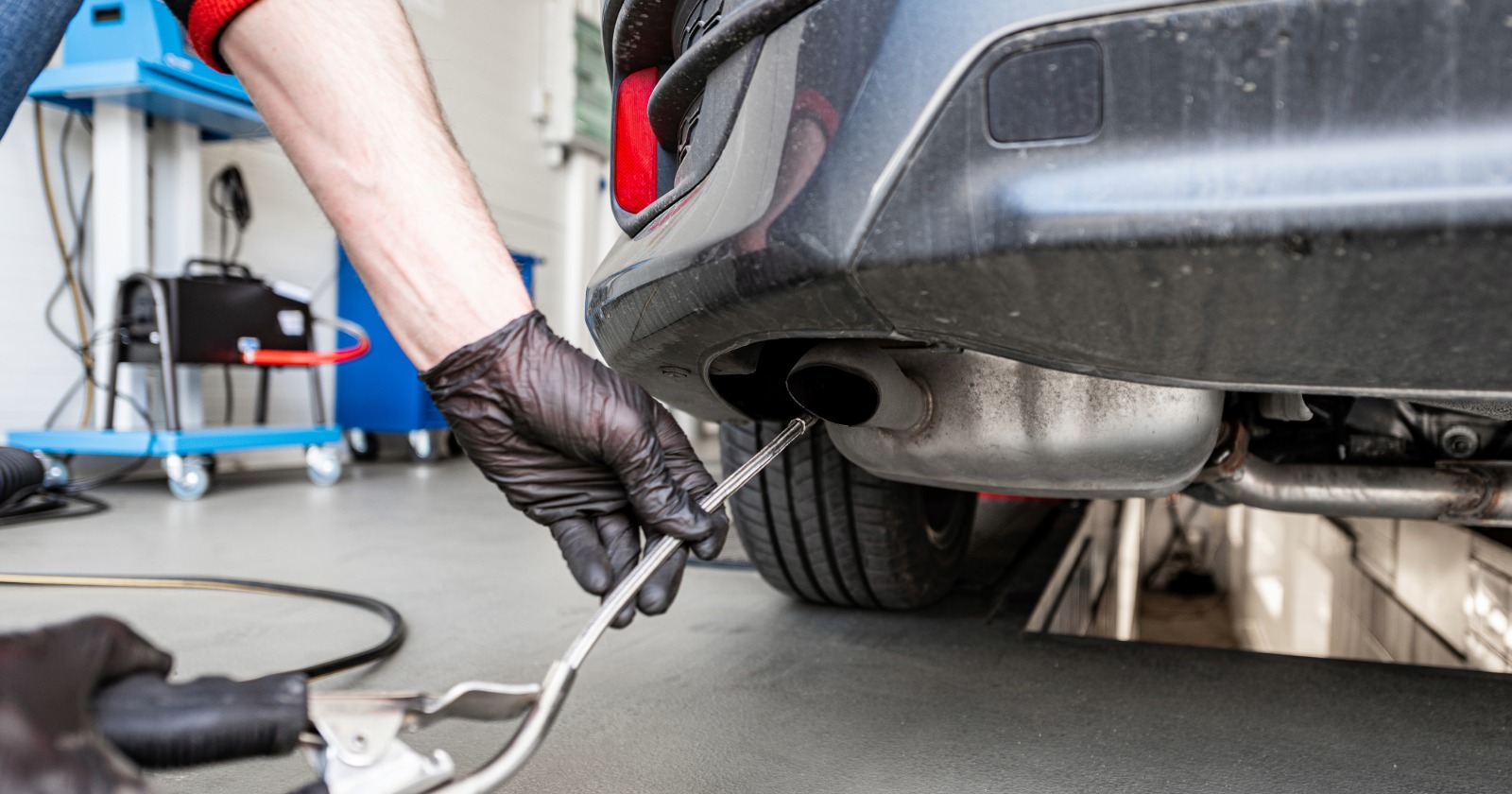
Whether a car needs a smog certificate before it can change hands depends entirely on where the buyer will register it, and the rules fall into three groups. One state, California, makes the seller responsible for delivering a passing inspection at the time of sale. A larger group of states tests at registration, which puts the burden on the buyer, and only in certain counties. The rest of the country has no emissions test for private vehicles at all. Knowing which group you are in tells you who has to pay for the test, when, and what to put in the bill of sale to keep the deal from unraveling at the counter.
California: the seller provides the certificate
The California Bureau of Automotive Repair (BAR) runs the Smog Check program, and its guidance for a change of ownership is direct: If you're buying a vehicle from a private seller, it must have passed a Smog Check within the last 90 days. Ask the seller for a copy of the vehicle inspection report. The seller's instructions on the same page say to provide a copy of the inspection report to the buyer or new owner. The California Department of Motor Vehicles (DMV) will not complete the transfer without it.
The exemptions are broad, and they shape a lot of private sales. Gasoline vehicles that are 1975 model year or older are exempt, along with motorcycles and trailers. Diesel vehicles 1997 and older, or over 14,000 pounds gross weight, are exempt. Vehicles four model years and newer do not need a Smog Check for a change of ownership; the buyer pays a smog transfer fee to the DMV instead. Electric vehicles are exempt. A car given by a family member such as a spouse, parent, child, sibling, or grandparent does not need an inspection, with the odd exception that a family member who bought the car for you without titling it first does trigger one.
For a California seller the practical rule is simple. If your car is gasoline, more than four model years old, and newer than 1975, get the Smog Check before you list it. The certificate is good for 90 days, so do not test too early. A buyer who shows up and finds no certificate will either walk or knock the price down by more than the test costs.
States that test the buyer at registration
Nevada tests vehicles based in the urban areas of Clark County and Washoe County, and the Nevada Department of Motor Vehicles (DMV) assigns the cost in a private transaction without ambiguity: In private transactions, the test is the buyer's responsibility. Dealers must supply a passing test with any vehicle they sell that will be registered in those counties, but a private seller has no such duty. Nevada exempts new vehicles on their first three registrations, hybrids for their first five model years, 1967 and older vehicles, and heavy diesels, and it offers a classic vehicle exemption for cars driven 5,000 miles or less a year.
Texas is another registration-based state. Under the Two Steps, One Sticker program described by the Texas Commission on Environmental Quality (TCEQ), vehicle owners must pass the annual emissions inspection before renewing registration, and only in the program counties: the Houston-Galveston-Brazoria area, the Dallas-Fort Worth area, Travis and Williamson counties around Austin, El Paso County, and, starting November 1, 2026, Bexar County around San Antonio. Gasoline vehicles from two through 24 years old are inspected annually. A seller in Lubbock or Amarillo has no emissions obligation at all. A buyer in Harris County will need a passing inspection to register.
Arizona follows the same pattern. Testing is required in the Phoenix and Tucson metropolitan areas, and the state's emissions program site notes that vehicles registered outside those two areas do not need an Arizona emissions inspection. The test is tied to registration, so the buyer handles it. Several other states, including Colorado and parts of the Northeast, run county-based or statewide registration tests along the same lines. Details vary, so check the state program before assuming.
States with no emissions test
Roughly half the states have no emissions inspection for private passenger vehicles. Some never had one. Others dropped theirs after meeting federal air-quality targets. In those states a private sale involves no certificate, no transfer fee, and no county lookup. The bill of sale and the title do the whole job. If you are selling into one of those states from a testing state, the buyer's registration office decides, not yours.
Exemptions that apply almost everywhere
Even in testing states, age and vehicle type exemptions cover a large share of private sales. Older vehicles are exempt by model year, with the cutoff ranging from 1966 in some programs to 1975 in California. New vehicles are exempt for their first few registrations. Motorcycles, trailers, electric vehicles, and heavy diesels are usually outside the program. Low-mileage classic exemptions exist in a few states. If the car you are selling is a 1972 pickup or a three-year-old sedan, the odds are good that no test applies regardless of state.
What to put in the bill of sale
In a seller-responsible state, attach the inspection report to the vehicle bill of sale and note its date, so the 90-day clock is documented. In a buyer-responsible state, write that the buyer accepts responsibility for any emissions inspection required to register the vehicle. In a no-test state, say nothing about smog and focus on the odometer and the as-is clause. If a car has failed a test and you are selling it anyway, disclose the failure in writing. A buyer who learns of a known failure after the sale has the beginnings of a misrepresentation claim, and a written disclosure closes that door.
Selling a car that cannot pass
A vehicle that fails and cannot be repaired economically still has buyers. In California it can be transferred to a licensed dismantler or junked without a Smog Check, because vehicles transferred to be wrecked or dismantled are exempt from the inspection requirement. It can also be sold to a buyer in a county or state with no test, or to someone who wants it for parts. What you cannot do is hand a failing car to a buyer in your own testing county and expect the transfer to go through. Our notarization checker covers the signature rules by state, and the state pages linked below cover the emissions programs in detail.
Sources
Frequently Asked Questions
Who pays for the smog check in a California private sale?
The seller. California requires the seller to provide the buyer with a Smog Check inspection report from within the last 90 days, unless the vehicle is exempt by age, fuel type, or a family transfer.
Does the seller need an emissions test in Nevada or Texas?
No. In Nevada the test is the buyer's responsibility in a private transaction. In Texas the emissions inspection is tied to annual registration in program counties, so the buyer handles it when registering.
Which cars are exempt from emissions tests?
Rules vary by state, but older vehicles by model year, vehicles in their first few registrations, motorcycles, trailers, electric vehicles, and heavy diesels are commonly exempt. Check the state program page before assuming.
Jill Stradley writes about private sales, title transfers, and the paperwork that trips people up when buying or selling cars, boats, and everything in between. She got interested in the topic after a used car sale gone wrong taught her more about DMV requirements than she ever wanted to know. Now she breaks down what each state actually requires so other people don't have to learn the hard way.
View all posts →Create Your Bill of Sale
Generate a state-specific, professionally formatted bill of sale in minutes.
Get Started - $5