
How to Safely Sell Your Car to a Private Buyer and Actually Get Paid

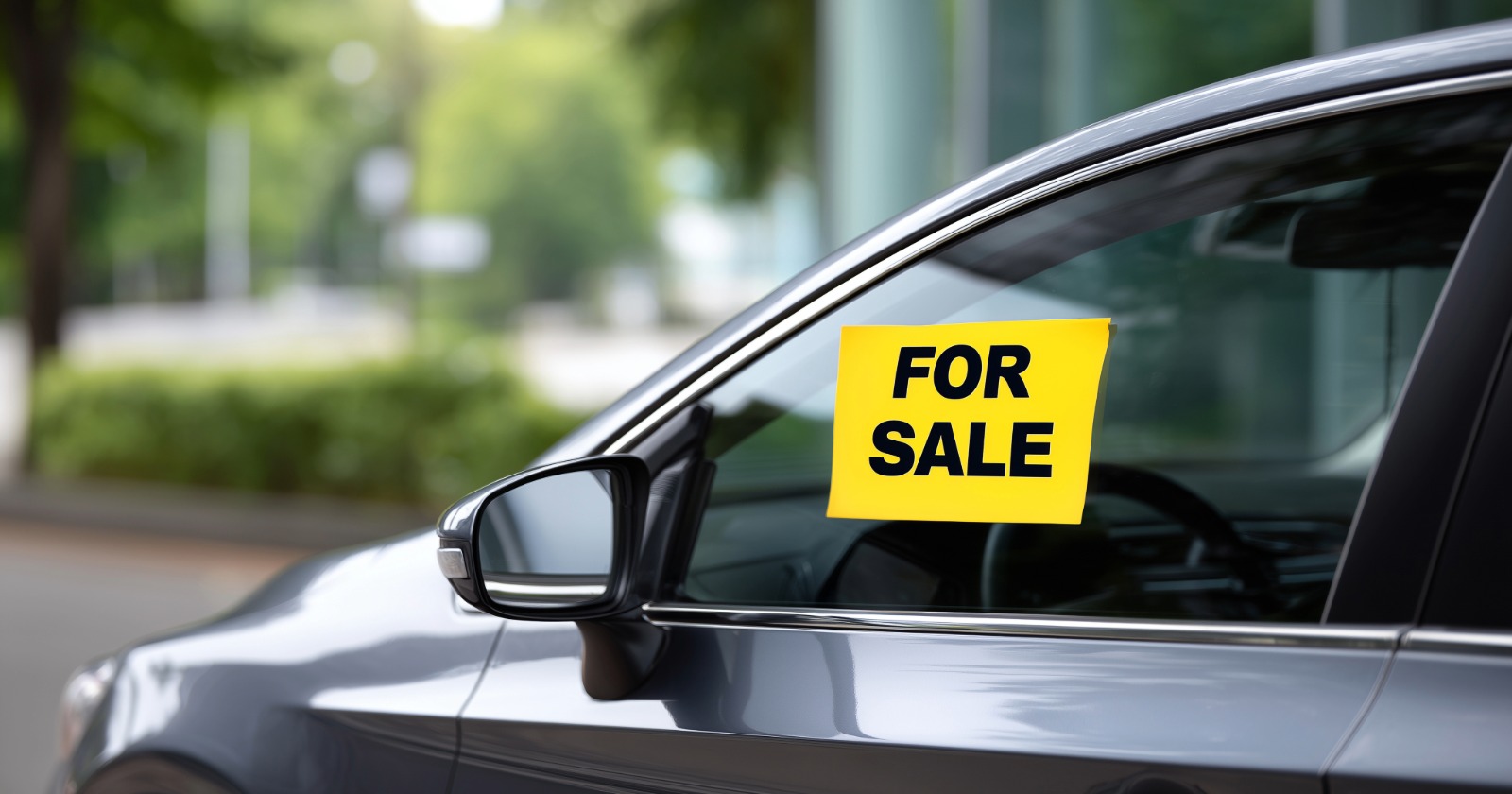
Selling your car privately can put real money in your pocket compared with a trade-in, but the gap closes fast if you get scammed on payment or leave yourself open to liability. The goal of a safe private car sale is simple to state and easy to forget under pressure: you do not give up the keys or the title until the money is genuinely, irreversibly yours. This guide walks through screening buyers, handling the test drive, taking payment that cannot be clawed back, and documenting the deal so your responsibility ends the day the car drives away.
Screen buyers before you ever meet
Most of your safety is decided before anyone shows up. Take the call or the message and pay attention to how the buyer behaves. A serious buyer asks about the car. A problem buyer pushes to wire extra money, ships a check sight unseen, or wants to handle everything through a third party who is conveniently overseas. Keep contact on a channel you control, get a real name, and do not send your home address to a stranger. Meet in a public place in daylight, ideally a busy parking lot or, better still, your bank. Many police stations now offer a marked safe-exchange zone in their parking lot, and that is a fine place to meet a buyer you do not know. If something about the buyer feels off, you are allowed to walk away. You owe a stranger nothing.
Run the test drive on your terms
A test drive is reasonable, but it is also the moment you have the least control, so set the rules. Ask to see and photograph a valid driver license before the buyer gets behind the wheel. Ride along rather than handing over the keys and waiting on the curb. Plan the route yourself and keep it short. Confirm your own auto insurance covers a permitted driver before the day, because if the buyer crashes your still-registered car, that can land on you. None of this is rude. A genuine buyer expects a careful seller and reads it as a sign the car has been looked after.
Choose a payment method that cannot be reversed
This is the part that decides whether you actually get paid. Cash is final the second it is in your hand, though you should count it and, for a larger sum, verify it somewhere safe. A bank-to-bank transfer is solid once your bank confirms the funds have settled in your account, not merely that the buyer pressed send. The trap is the cashier check. Forged cashier checks are a favorite scam precisely because sellers trust them, and they can look flawless. Your bank may make the money available before the check truly clears, then reverse it days later when the forgery surfaces, and you are the one left short, because you are responsible for a check you deposit. Slow payment apps and screenshots prove nothing on their own.
Meet at the bank and let the money clear
The cleanest way to remove payment risk is to close the deal inside a bank during business hours. Pick your bank or the buyer's, sit down with a teller, and let a professional confirm that the payment is real and settled. If the buyer is paying cash, the teller can verify the bills. If it is a transfer, you watch it land in your account before you sign anything. A buyer who refuses to meet at a bank for a meaningful amount of money is telling you something, and you should listen. Patience here costs you an afternoon. Skipping it can cost you the whole car.
Watch for the classic overpayment trick
One scam shows up again and again in private car sales, so it is worth naming. The buyer sends a check or a payment for more than the asking price, then explains the overage with a story: it was a mistake, or it is meant to cover a shipper who will come pick up the car, and could you please refund the difference. You deposit the payment, it looks like it cleared, you wire back the difference, and a few days later the original payment bounces as a forgery. Now you are out the refund and possibly the car. The rule that defeats this is simple. Never refund or forward any part of a payment until the original funds have truly and finally settled, and never accept a payment for more than the agreed price. A legitimate buyer pays the price you agreed on, not a penny more, and has no reason to route money through you to a third party.
Document the deal and release your liability
Once the money is yours, finish the paperwork properly. Sign the title over to the buyer, fill in the odometer reading and the sale price where your state requires it, and complete a bill of sale that records both parties, the vehicle, the price, the date, and the as-is condition. You can generate one on our vehicle bill of sale page and have both parties sign before keys change hands. If your state requires the title or bill of sale to be notarized, confirm that ahead of time using our notarization checker so you do not get turned away at the counter. Then close the loop on liability. File any release-of-liability or notice-of-transfer your state offers, remove the plates if your state keeps plates with the seller, and cancel your insurance on that car. That paper trail is what protects you if a ticket, a toll, or a crash shows up under your old plate after the sale.
Many states let you file a notice of transfer or release of liability online the same day you sell, and it is worth doing immediately rather than putting it off. Until the buyer registers the car in their own name, the state's records still point to you, and a release of liability is how you tell the state you are no longer the responsible party as of the sale date. Keep your copy of the bill of sale and a photo of the signed-over title, and note the buyer's name and contact information. If a problem surfaces weeks later, those records turn a stressful phone call into a quick answer. The whole point of doing the paperwork carefully is that the deal stays closed.
Frequently Asked Questions
What is the safest way to get paid when selling a car privately?
The safest payment is one that cannot be reversed after you release the car: cash that you have verified, or a bank transfer that your bank confirms has actually settled in your account. The cleanest approach is to meet the buyer at a bank and let a teller confirm the payment in front of you. Do not hand over the title or keys until the money is genuinely yours.
Why are cashier checks risky in a private sale?
Cashier checks are risky because forgeries are common and convincing, and your bank may make the funds available before the check actually clears. If the check turns out to be fake, the bank reverses the deposit days later and you are responsible for the loss, because you deposited it. If you accept one at all, verify it directly with the issuing bank before releasing the car.
How do I end my liability after selling my car?
To end your liability, sign the title over to the buyer, complete a bill of sale recording the parties and the as-is sale, and file any release-of-liability or notice-of-transfer your state provides. Remove your plates if your state keeps them with the seller, and cancel your insurance on that vehicle. Those steps protect you from tickets, tolls, or crashes tied to the car after you sold it.
Along with his duties at YourLeaseAgreement, Paul Oak is a writer covering private sale transactions, vehicle transfers, and consumer legal documents. He breaks down state-by-state requirements into plain English so buyers and sellers can navigate the paperwork without hiring a lawyer. When he's not researching DMV forms and title transfer deadlines, he's probably arguing about which state has the worst bureaucracy.
View all posts →Create Your Bill of Sale
Generate a state-specific, professionally formatted bill of sale in minutes.
Get Started - $5