
Can you sell a car with unpaid parking tickets or tolls?

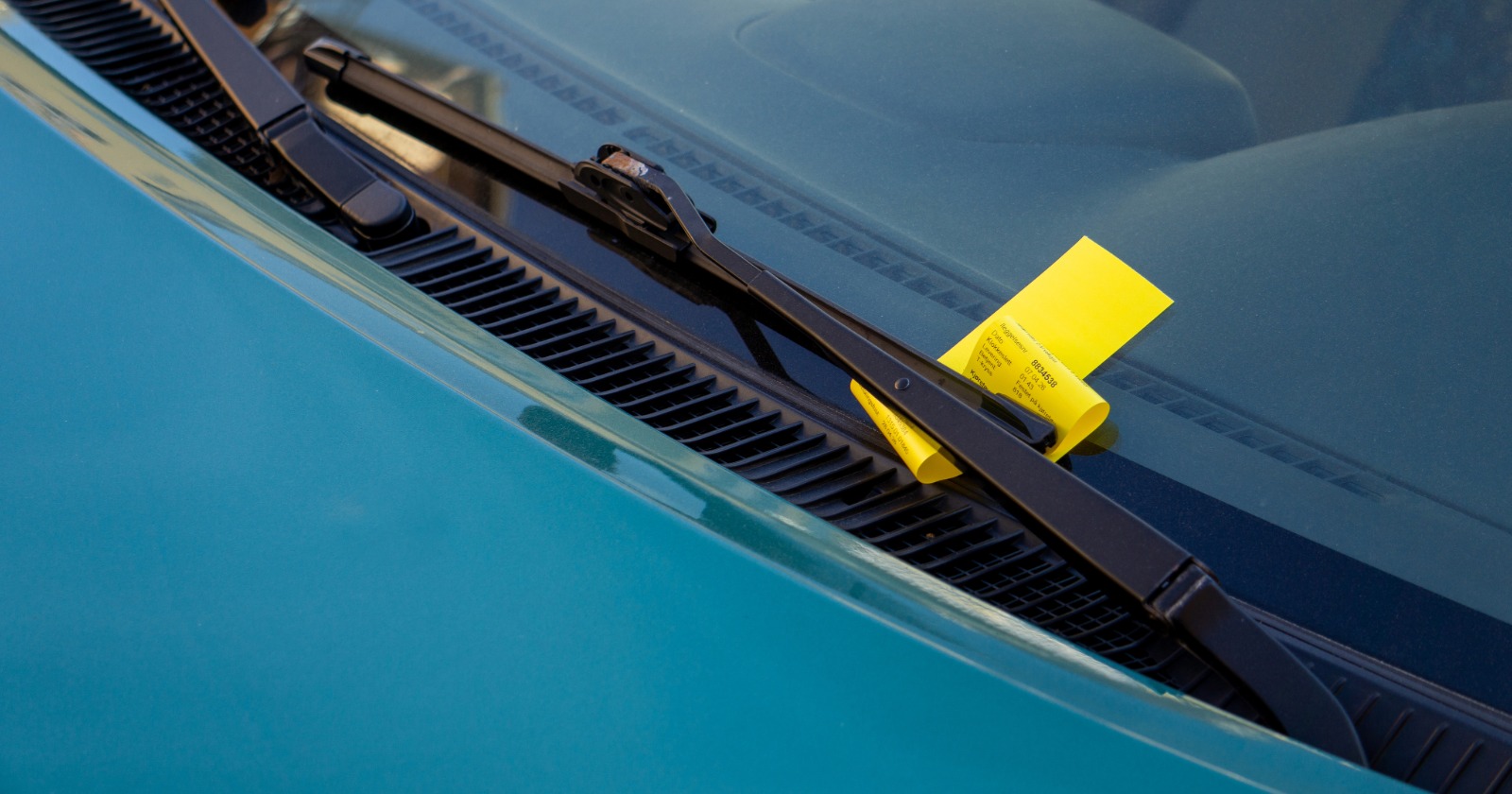
Yes, in most states you can sell a car with unpaid parking tickets or tolls, because the fines usually follow the registered owner on the date of the violation. Some states block registration renewal or certain transfers until the fines clear, and every seller should report the sale so new violations stop landing on them.
Who owes a parking ticket or toll after a car is sold?
Parking citations and toll bills are generally issued to whoever is listed as the registered owner when the violation happens. Selling the car does not erase violations from before the sale, and the seller should expect to deal with them.
California shows how this works. The California Department of Motor Vehicles (DMV) registration manual states: “Parking or toll violations on file prior to the transfer date are removed from the vehicle record when a registered owner transfer occurs.” That lets the buyer register the car without inheriting the seller's citations. Removal from the vehicle record is not the same as payment, so a seller should settle open citations with the agency that issued them.
Can unpaid tickets block registration or a title transfer?
Sometimes. California DMV's manual says registration renewal “cannot be completed for a vehicle if the owner or lessee has unpaid parking/toll violations on record.” All violations on the record must be cleared by the issuing agency or paid with the renewal fees before the renewal can be completed.
California also blocks some transfers. Under the same manual, transfers from the registered owner to their revocable trust or to specific family members cannot be completed while unpaid parking or toll violations are on the vehicle record. The affected family members are the owner's parent, grandparent, child, grandchild, spouse, domestic partner, and siblings. Transfers out of a revocable trust are not affected.
New York uses registration suspension. The New York State Department of Motor Vehicles (NYS DMV) suspends registrations for failure to pay tolls, fees, or other charges tied to 3 or more toll violations within a 5-year period, or for unpaid toll charges above a dollar threshold within 5 years. Referrals come from the New York State Thruway Authority, the Metropolitan Transportation Authority (MTA), the Port Authority of New York and New Jersey, and the New York State Bridge Authority. A suspended registration can stall a sale, so clear toll debts before you list the car.
Why does the seller need to file a release of liability?
Until the state knows the car was sold, new tickets and tolls keep going to the seller. A release of liability, sometimes called a notice of sale or transfer notification, updates the state's record with the date of sale.
In Texas, the Texas Department of Motor Vehicles (TxDMV) says: “When you file the notification within 30 days from the date of sale, you cannot be held responsible for parking tickets and toll violations that have been committed by the person who purchased the vehicle.” TxDMV calls this a Vehicle Transfer Notification.
In California, sellers file a Notice of Transfer and Release of Liability within 5 calendar days of the sale, under Vehicle Code section 5900. DMV explains that once it receives the notice, “any liability for parking violations, traffic violations, or civil litigation after the date of sale becomes the responsibility of the subsequent purchaser.” The notice does not remove the seller's name from the vehicle record. DMV says only the buyer's application for transfer, using the endorsed title, does that.
In Washington, the Washington State Department of Licensing (DOL) says the seller is legally obligated to submit a Report of Sale within 5 days of the sale date. DOL explains that filing it protects the seller from liability for towing charges or civil and criminal liabilities incurred by the new owner.
What should the seller tell the buyer about unpaid tickets?
Be direct about any open violations and whether you have paid them. If your state holds renewals or transfers for unpaid fines, give the buyer proof of payment before the sale closes. In California, DMV issues a receipt when parking violation fees are paid through it, and the manual describes that receipt as proof of payment. If a ticket is under dispute, say so and give the buyer the citation number.
Put the handover in writing. A vehicle bill of sale can state the date and time the buyer took possession, with the seller responsible for tickets and tolls before that moment and the buyer responsible after it. Record the odometer reading and the plate number on the same document, and have both parties sign next to the handover time.
What about toll transponders and license plates?
Remove any toll transponder from the car and update or close the account before the buyer drives away. A transponder left on the windshield can keep charging the seller's account for someone else's trips. Rules on license plates vary by state. In Washington, DOL says the seller is legally obligated to remove the plates, which protects the seller from towing charges, parking tickets, speed camera tickets, and toll bills. Check your own state's rule before the buyer drives away.
Should you pay off tickets and tolls before selling?
Paying first is usually the cleaner path. Unpaid toll bills can pick up added fees, a renewal hold can slow a family transfer in California, and a suspended registration in New York can stall a sale entirely. Paying also removes any doubt the buyer has about old debts tied to the plate. Ask each issuing agency for a receipt or a statement showing a zero balance, and give the buyer a copy with the bill of sale.
What if tickets keep arriving after the sale?
Send the issuing agency a copy of your release of liability or transfer notification, along with the signed bill of sale showing the date and time of the sale. In Texas, TxDMV says a seller who still receives tickets or tolls after filing can ask the department for a confirmation email or submit a Request for Texas Motor Vehicle Information (Form VTR-275), which shows the month and year the vehicle was transferred. In California, keep the confirmation page from an online release; DMV says that page is proof the notice was submitted.
Sources
Frequently Asked Questions
Can I sell my car if I have unpaid parking tickets?
Usually yes. Parking tickets generally follow the person who was the registered owner on the violation date. In California, DMV removes violations on file before the transfer date from the vehicle record when a registered owner transfer occurs, but the seller should still settle them.
Can unpaid tolls stop me from renewing my registration?
In some states. California DMV cannot complete a registration renewal while unpaid parking or toll violations are on record. New York DMV suspends registrations for 3 or more unpaid toll violations within 5 years.
How do I stop getting tickets for a car I sold?
File your state's release of liability. TxDMV says a notification filed within 30 days means you are not responsible for the buyer's tickets and tolls. California requires a Notice of Transfer and Release of Liability within 5 calendar days.
Along with his duties at YourLeaseAgreement, Paul Oak is a writer covering private sale transactions, vehicle transfers, and consumer legal documents. He breaks down state-by-state requirements into plain English so buyers and sellers can navigate the paperwork without hiring a lawyer. When he's not researching DMV forms and title transfer deadlines, he's probably arguing about which state has the worst bureaucracy.
View all posts →Create Your Bill of Sale
Generate a state-specific, professionally formatted bill of sale in minutes.
Get Started - $5