
Can you sell a car with an open safety recall?

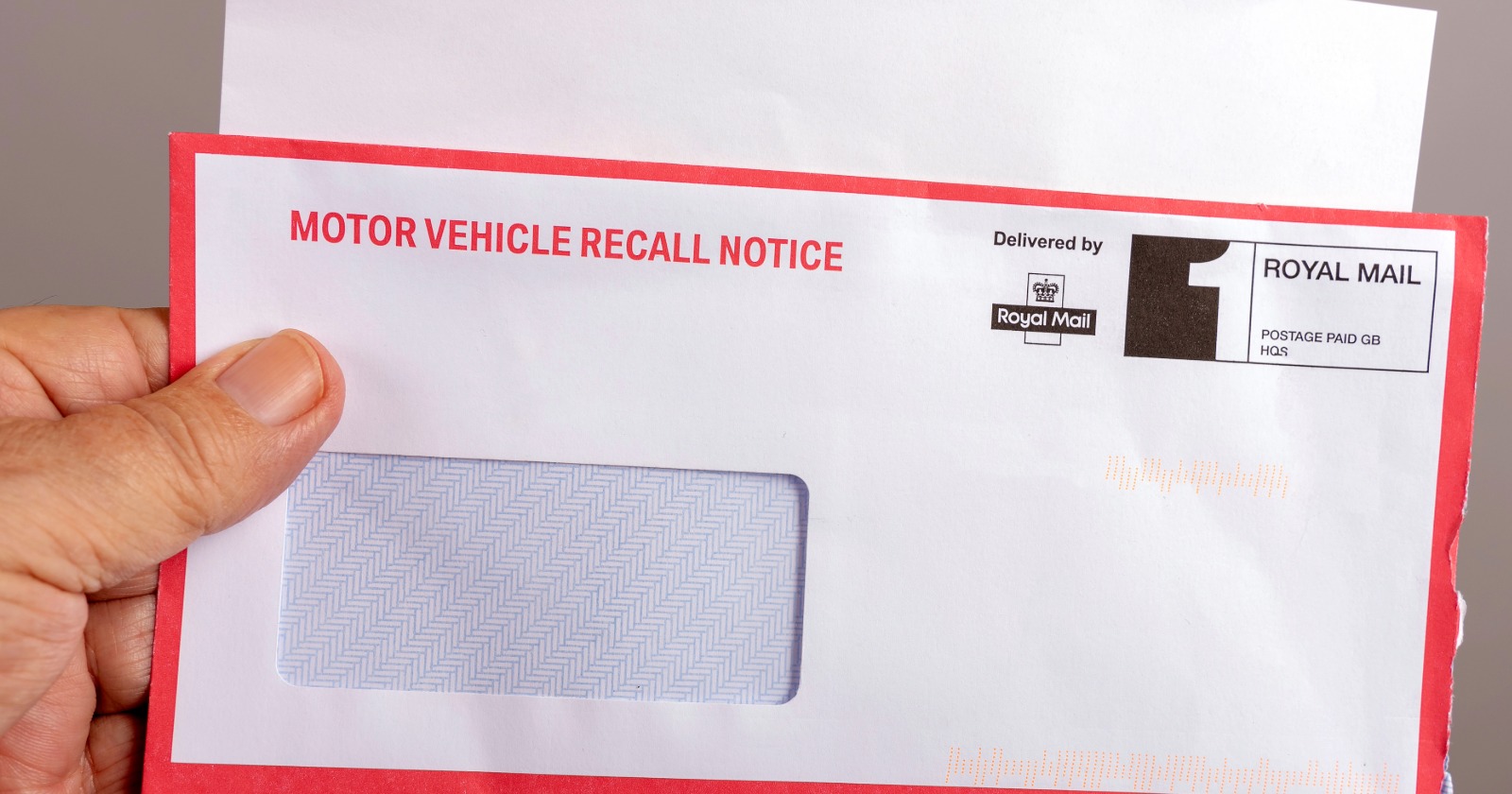
A private owner can generally sell a used car with an open safety recall. The federal sale limit in 49 U.S.C. 30120(i) covers new vehicles in a dealer's possession and covered rental vehicles, and its text does not mention used cars sold by private owners. The best practice is to check the VIN, get the free repair if you can, and disclose any open recall in writing.
What does federal law say about selling a car with a recall?
The rule is in 49 U.S.C. 30120(i). When a manufacturer has notified a dealer about a safety defect in a new motor vehicle that the dealer has on hand at the time of the notice, the dealer may sell or lease that vehicle only if the defect is remedied before delivery. Rental companies face a similar limit on covered rental vehicles.
The same subsection says nothing in it prohibits a dealer from offering the vehicle for sale, so a new car can be listed while the fix is pending. It simply cannot be delivered until the remedy is done. A used car sold by its owner falls outside that text, since it is neither a new vehicle in a dealer's stock nor a covered rental vehicle.
State law can add its own requirements, especially for licensed dealers. If you sell through a dealer, a consignment lot, or a trade-in, ask how that business handles open recalls before you sign anything.
Recall status is also separate from title status. A car with an open recall can still carry a clean title, so a title check by itself will not tell a buyer whether a recall repair is pending.
How do you check a car for open recalls?
Use the free lookup on the recalls page of the National Highway Traffic Safety Administration (NHTSA). You can search by VIN or license plate, and NHTSA says the 17-character VIN is usually on the lower left of the windshield and on the registration card. The site also lets you search up to 100 VINs at once.
The search has limits that NHTSA lists on the same page. It does not show recalls that were already repaired, some newly announced recalls whose VINs have not been added yet, recalls more than 15 years old unless the manufacturer offers more coverage, or recalls by some small manufacturers. NHTSA adds VINs continuously, so run the search again shortly before the sale.
You can also search by year, make, and model, but NHTSA says that kind of search returns general recall information rather than results for one specific vehicle. For a sale, the VIN search is the one that counts, because it shows whether this particular car still needs the repair.
Will the next owner still get the repair for free?
In most cases, yes. NHTSA's brochure on safety defects and recalls says that, in most cases, contracts between a manufacturer and its dealers require all dealers to honor the recall and fix the defect at no extra charge, regardless of where the vehicle was originally bought.
There is an age limit. Under 49 U.S.C. 30120(g), the free remedy requirement does not apply if the vehicle was bought by its first purchaser more than 15 calendar years before the recall notice. NHTSA's brochure adds that manufacturers may still provide a free remedy for older vehicles even though the law does not require it.
Recall notices go to registered owners. NHTSA says manufacturers notify registered owners by first class mail within 60 days of notifying NHTSA of a recall decision. A buyer who registers the car in their own name will receive future notices at their address.
Should you fix the recall before you sell?
If the repair is available, fixing it first is usually the simplest path. The work is free for eligible vehicles, it removes a safety risk for the next driver, and it takes one question off the table during the sale. Call a franchised dealer for the brand and ask how long parts and an appointment will take.
Keep the repair order the dealer gives you. It lists the recall work, the VIN, and the date, and a copy in the buyer's hands is stronger proof than a verbal promise that the fix was done.
Sometimes parts are not ready yet. NHTSA notes that there is usually a time lag between the recall decision and the date the remedy is available to consumers. In that case, follow any interim safety guidance in the owner letter and give the buyer a copy.
How do you disclose an open recall in a bill of sale?
Put it in writing even if the buyer says it does not matter. In the vehicle bill of sale, add a line that names the recall by its NHTSA campaign number, describes the affected part in a few words, and says whether the repair has been done or is still open.
A simple version reads: "Buyer acknowledges that NHTSA recall campaign [number] for [component] is open and has not been repaired on the date of sale." Pair that line with your as-is clause, and have both parties sign. Print the NHTSA lookup result showing the date of the search and attach it to the bill of sale.
If the repair was already done, say that instead. Note the campaign number, the dealer that did the work, and the repair date, and attach the repair order so the buyer has it for their records.
What should the buyer do after the sale?
The buyer should run the VIN through the NHTSA lookup again after taking the car home, then call a franchised dealer to schedule any open repair. Registering and titling the car promptly matters too, since manufacturers mail recall notices to registered owners.
If the buyer finds a recall the seller did not mention, an eligible repair is still available through a franchised dealer. The bill of sale and any written statements about recalls will matter if the two sides later disagree about what was said before the sale.
NHTSA also offers its free SaferCar app, which sends an alert when a recall is found for a vehicle you entered. The agency suggests checking for recalls twice a year, which is an easy habit for any used car owner.
Sources
Frequently Asked Questions
Is it illegal to sell a used car with an open recall?
The federal sale limit in 49 U.S.C. 30120(i) applies to new vehicles held by dealers and to covered rental vehicles. Its text does not cover a private owner selling a used car. Check your state's rules and disclose any open recall in writing.
Does a recall repair transfer to the new owner?
NHTSA says contracts with dealers in most cases require all dealers to honor a recall at no charge, regardless of where the vehicle was bought. The free remedy requirement does not apply if the first sale was more than 15 calendar years before the notice.
How do I check if a car has an open recall?
Enter the 17-character VIN or the license plate in NHTSA's free recall lookup. The search does not show recalls already repaired, recalls over 15 years old, or recalls from some small manufacturers, so check again shortly before the sale.
Jill Stradley writes about private sales, title transfers, and the paperwork that trips people up when buying or selling cars, boats, and everything in between. She got interested in the topic after a used car sale gone wrong taught her more about DMV requirements than she ever wanted to know. Now she breaks down what each state actually requires so other people don't have to learn the hard way.
View all posts →Create Your Bill of Sale
Generate a state-specific, professionally formatted bill of sale in minutes.
Get Started - $5