
How a salvage title becomes a rebuilt title, and why the receipts matter
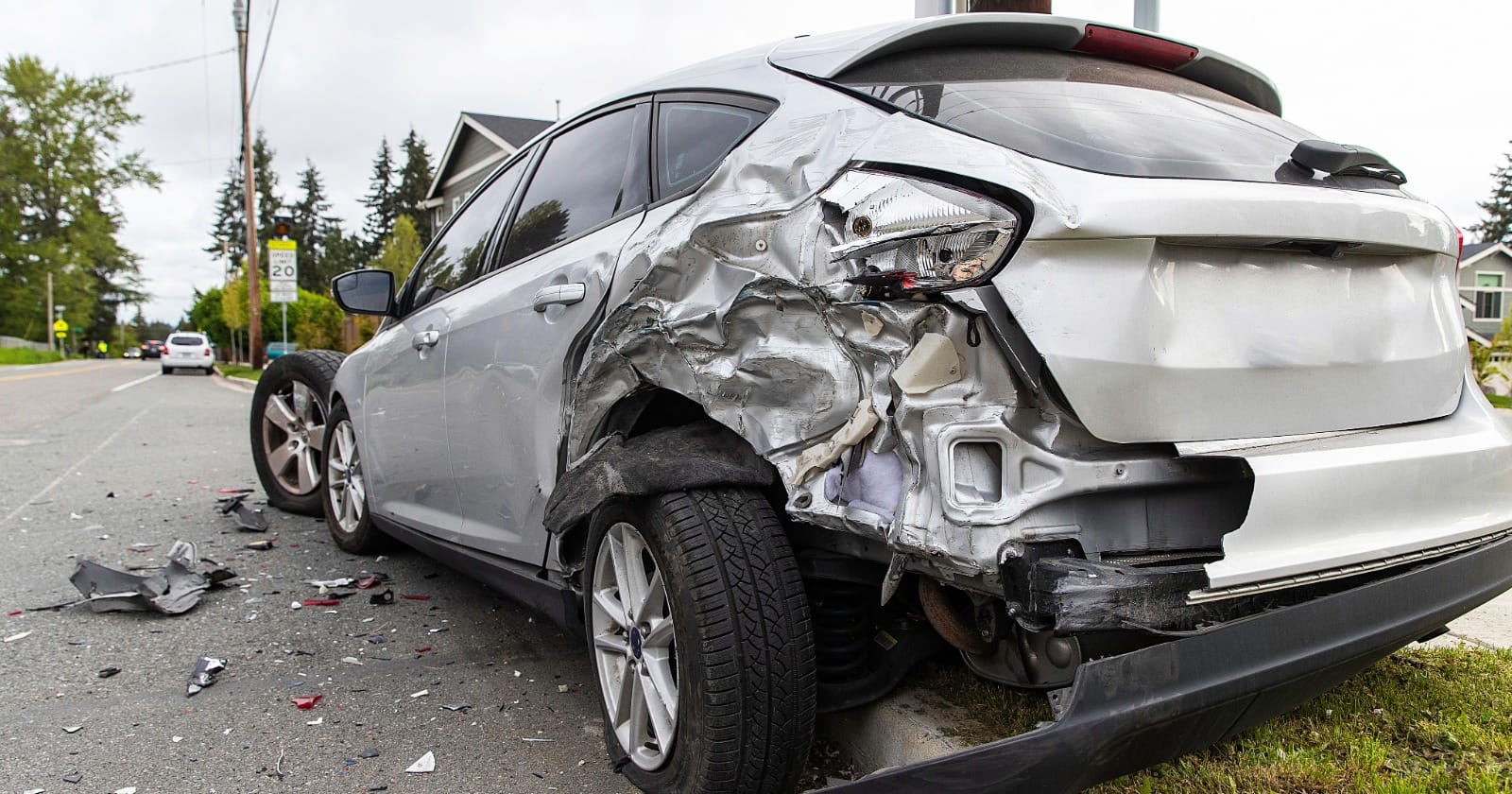
A salvage title usually means an insurer decided the vehicle cost too much to fix. Many of those vehicles are repaired anyway, and they can be driven again. Before that happens, the state wants to see the repairs, check that the parts were not stolen, and put a brand on the new title so every later buyer knows the history.
The basic path
The order is the same almost everywhere. The salvage vehicle gets repaired. The owner gathers proof of what was replaced and where the parts came from. A state inspector, or a private station the state authorizes, examines the vehicle. If it passes, the owner applies for a new title, which carries a brand such as "rebuilt," "rebuilt salvage," or "revived salvage." Only then can the vehicle be registered.
What changes from state to state is the paperwork and who does the inspection. Here is how three large states handle it.
Texas
The Texas Department of Motor Vehicles requires Form VTR-61, the Rebuilt Vehicle Statement, when a salvage vehicle has been repaired and the owner wants a Texas title. The vehicle also needs an inspection at a Department of Public Safety inspection station after the rebuild. The second page of the VTR-61 only comes into play when major component parts such as an engine, frame, body, or roof or floor pan were used. The county tax office issues a title branded "Rebuilt Salvage."
California
The California DMV calls these vehicles revived salvage. A previously salvaged California vehicle has to be inspected by an authorized DMV employee or referred to the California Highway Patrol, and vehicles that were salvaged in another state go to the CHP. The DMV's checklist includes brake and lamp adjustment certificates. Vehicles built with air bags must have working air bags to be registered again, and California does not accept another state's salvage inspection.
Florida
The Florida Department of Highway Safety and Motor Vehicles uses Form HSMV 84490, the Statement of Builder. Its procedure asks for original bills of sale or receipts for each major component part, showing the seller's name, address, and signature. A business receipt does not need a signature. Parts with their own serial numbers, such as engines and transmissions, should have those numbers on the receipt. Florida lists fenders, hoods, bumpers, doors, quarter panels, floor pans, engines, frames, transmissions, catalytic converters, and air bags among the major parts, and adds battery packs and traction motors for electric and hybrid vehicles.
Why the receipts matter so much
In many states the inspection is as much a theft check as a safety check. The inspector wants to know that the door you bolted on came from a junkyard or a private seller, not from a car stolen last week. A part with no paper trail can fail the inspection or delay it while the state investigates.
That means every part you buy should come with a receipt or a short bill of sale. When you buy a used door or an engine from a private seller, write down the date, the price, the seller's name and address, a description of the part, any part number or serial number, and, if you know it, the VIN of the donor vehicle. Both of you sign. Keep the originals in a folder with the photos you took before and during the repair.
Our personal property bill of sale guide covers the general format, which works for parts.
Before you buy a salvage car to rebuild
Do the math with real numbers. Add the purchase price, parts, labor, inspection fees, and title fees, then compare the total to what a rebuilt-title version of that car actually sells for in your area. Rebuilt vehicles usually sell at a steep discount to clean-title cars, and some lenders and insurers treat them differently. Our guide to insuring a car on a bill of sale touches on the coverage problem.
Also confirm the title says salvage and not something worse. Many states use a separate "nonrepairable" or "junk" brand for vehicles that can only be parted out or crushed. Those generally cannot be rebuilt for road use at all.
Selling it afterward
The brand stays on the title, and it shows up in history reports that pull from the federal title database. Disclose it plainly in the ad and in the bill of sale anyway. Writing "rebuilt title, previously salvage" in the bill of sale, next to the as-is language, protects you if a buyer later claims they did not know. Our guide to selling a salvage or totaled vehicle covers the disclosure rules in more detail.