
Selling a Totaled or Salvage-Title Vehicle Privately
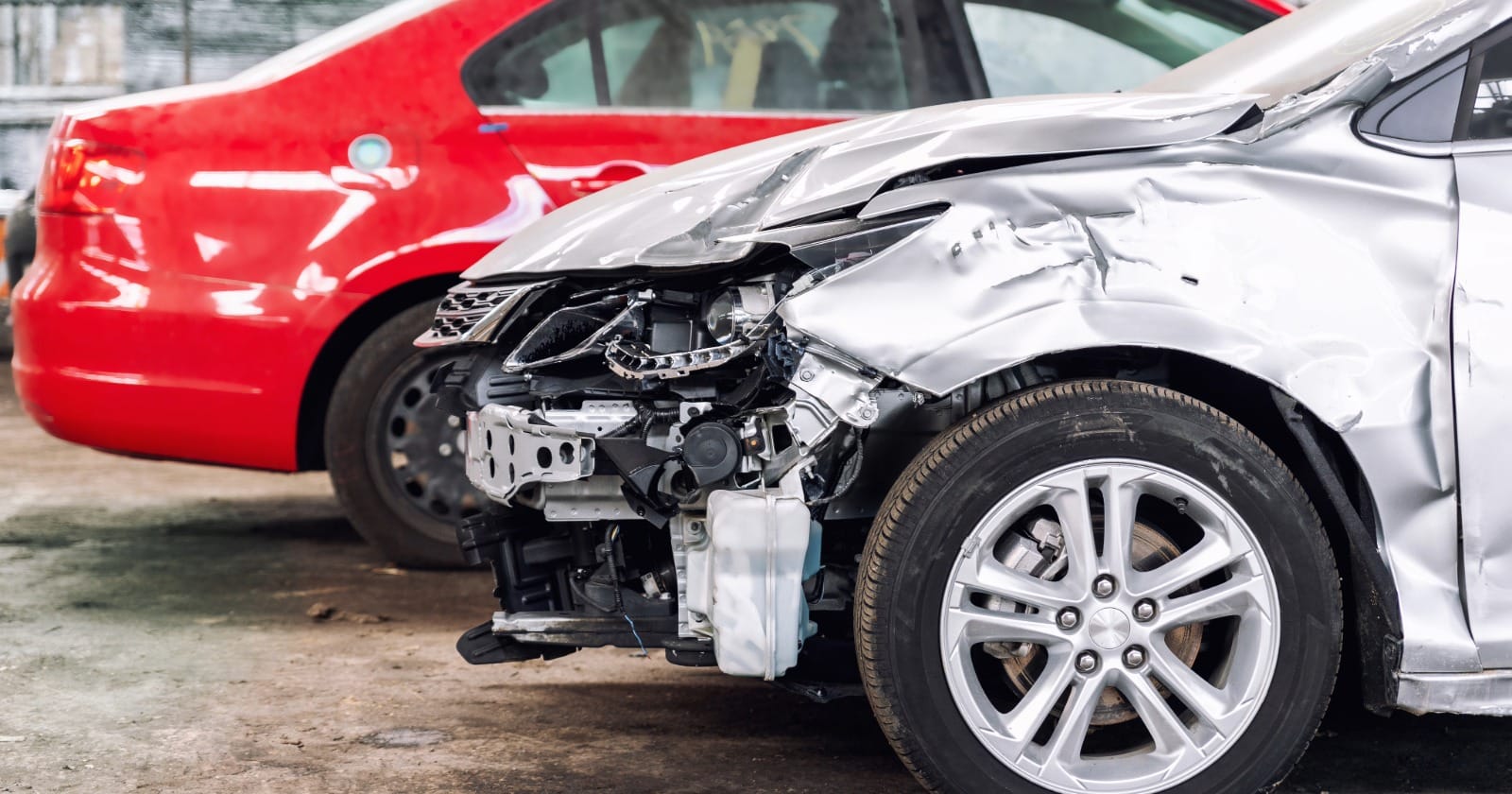
A branded title is not the end of the line, but it changes everything about the sale. Disclosure becomes mandatory, value drops sharply, financing dries up, and insurance gets tricky. Done correctly, you can sell it cleanly to a buyer who understands what they are getting. Done sloppily, you invite a lawsuit you will lose.
Know your title brand
The exact wording on your title determines what you can and cannot sell, and to whom. Common brands:
- Salvage. Insurer declared the vehicle a total loss. Cannot be registered for road use until repaired and inspected. Sold to rebuilders, dismantlers, or DIY buyers planning to repair.
- Rebuilt / Reconstructed / Prior Salvage. Repaired and passed a state inspection. Can be registered and driven, but the brand stays on the title forever.
- Flood / Water Damage. Sustained flood damage. Some states allow rebuilt-flood titles after repair and inspection; others do not.
- Junk / Non-Repairable / Parts-Only / Certificate of Destruction. Cannot be retitled for road use under any circumstances. Sold for parts or scrap.
- Lemon Law Buyback. Manufacturer repurchased the vehicle under state lemon law. Disclosure required.
Federal disclosure rules
Federal law requires odometer disclosure on any vehicle less than 20 model years old, and the disclosure must include whether the reading is "actual," "not actual," or "exceeds mechanical limits." There is no federal damage-disclosure statute for private sellers, but states fill the gap.
State damage disclosure
Most states require sellers of branded-title vehicles to provide a written damage disclosure statement separate from the bill of sale. The form varies (Damage Disclosure Statement, Salvage Disclosure, Rebuilt Title Disclosure, etc.) and is typically a one-page acknowledgement signed by both parties.
Even where state law does not require a separate form, listing the title brand and known damage history on the bill of sale is the right move. It documents the disclosure, which is what protects you in a later dispute.
What to put in the bill of sale
- Buyer and seller full legal names and addresses
- Date of sale
- Year, make, model, body style, color
- VIN (full 17 characters for any vehicle 1981 or newer)
- Odometer reading and disclosure
- Sale price and payment method
- Title brand stated explicitly (e.g., "Title is branded SALVAGE due to insurance total loss following collision damage in 2024")
- "As-is" language with no warranties, express or implied
- Buyer acknowledgment that they have inspected the vehicle and understand the title status
- Signatures of both parties (notarized in states that require it)
Pricing realistically
Use these rough benchmarks against clean-title private-party value:
- Salvage (unrepaired): 20% to 40% of clean value
- Rebuilt (repaired and inspected): 60% to 75% of clean value
- Flood-branded: 25% to 50% of clean value
- Junk / parts only: 5% to 15% of clean value, often sold by weight to scrap yards
Listing at clean-title prices wastes everyone's time. Branded titles attract a different buyer pool, and that pool knows what fair value looks like.
Who buys these vehicles
- Rebuilders. Independent shops or hobbyists who buy salvage, repair to rebuilt-title standards, and resell.
- Dismantlers and parts yards. Buy for parts and scrap.
- Donor builds. Buyers who need a specific drivetrain, body, or chassis for a project.
- Cash-strapped buyers. Aware of the brand, accepting it for the lower price. Most common for rebuilt titles.
- Export buyers. Some markets outside the US do not differentiate branded titles.
Insurance and financing reality
The buyer should know up front:
- Most lenders will not finance a branded-title vehicle. Cash sale is the norm.
- Liability insurance is available on rebuilt vehicles, but comprehensive and collision are limited or unavailable; some carriers refuse to insure branded titles entirely.
- Resale value will always be capped by the brand. The next buyer will discount further.
Common pitfalls to avoid
- Title washing. Moving a vehicle to a state with weaker disclosure rules to "clean" the title. NMVTIS reports often catch this. Selling a previously branded vehicle without disclosing the prior brand is fraud.
- Verbal disclosure only. If it is not written, it did not happen. Put the brand and damage history in the bill of sale.
- "For parts only" sale of a rebuildable vehicle. Be careful with parts-only language if the vehicle could potentially be retitled. The buyer may try to register it later and blame you when they cannot.
Get the bill of sale done right
Branded-title sales need bulletproof documentation. State-specific bill of sale with explicit title-brand language, as-is clause, and notary block where required.