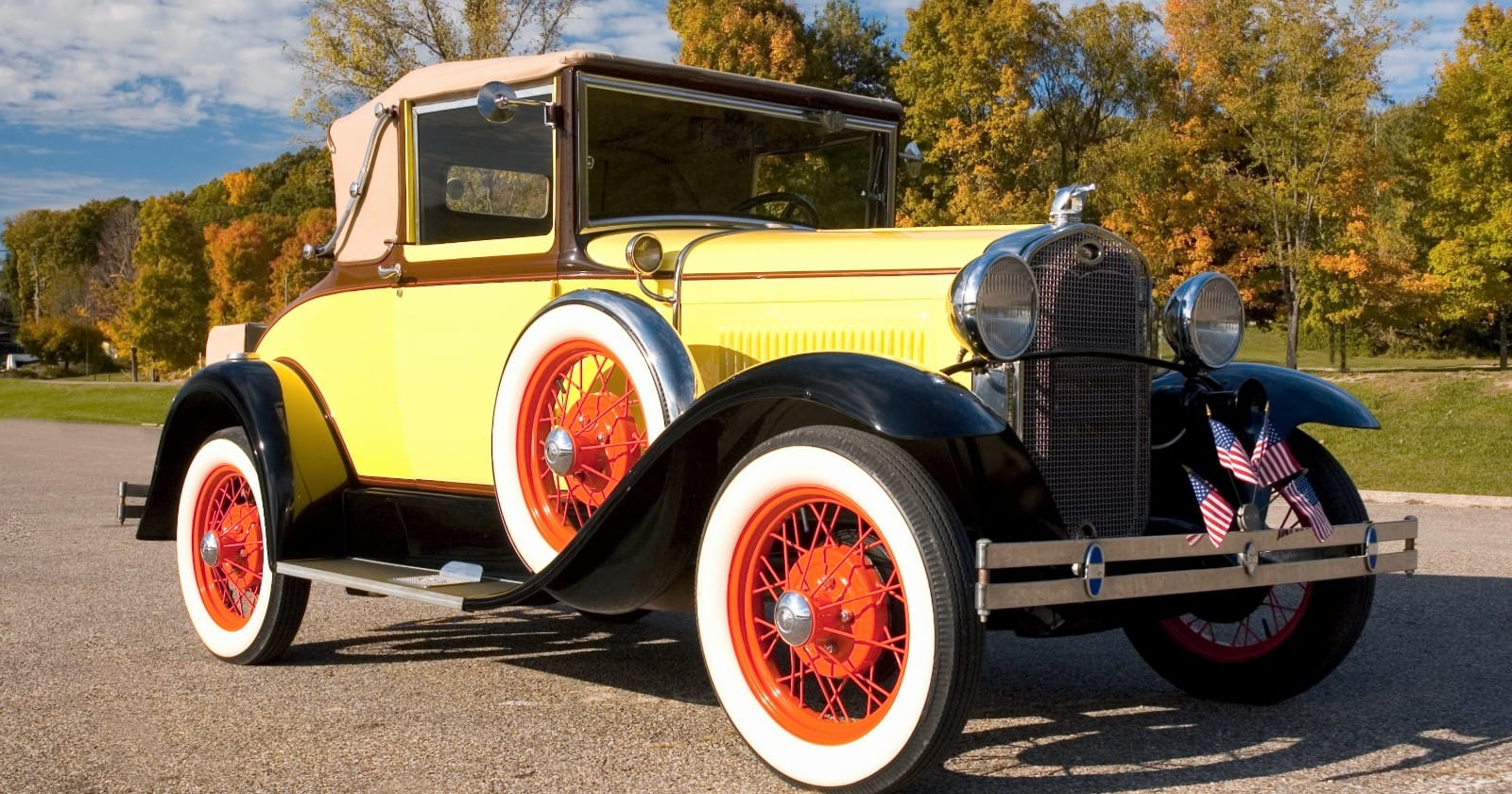
A 1968 Mustang and a 2026 Civic look the same to most paperwork. They do not, however, get titled or registered the same way in most states. Antique and historic vehicle classifications come with their own rules, benefits, and restrictions, and the cutoffs vary widely. Here is what to expect.
Two questions to answer first. What is your state's age cutoff for antique status, and do you actually want the antique registration restrictions? Many owners keep older vehicles on standard registration to preserve daily-driver flexibility.
Common age thresholds
20 years: Michigan, North Carolina, a handful of others
25 years: the majority of states (California, Florida, Texas, New York, and many more)
30 years: Massachusetts, some others
Pre-1976 or pre-1980 frozen cutoff: some states define antique by a fixed model year that does not roll forward
A vehicle that qualifies as antique in one state may not in the next. If you move, expect to re-apply for antique status with the new state's DMV.
Benefits of antique title and registration
Lower or no annual registration fee. Some states charge a one-time fee for permanent antique registration.
Emissions and safety inspection exemptions. Most states exempt antique vehicles from annual emissions testing and sometimes from safety inspections.
Reduced sales tax or use tax on transfer. A few states cap the taxable value of antique vehicles or exempt them entirely.
Period-correct license plates. Some states let you use an actual plate from the vehicle's year of manufacture, subject to availability and DMV approval.
Antique-specific insurance. Specialty insurers (Hagerty, Grundy, others) offer policies that reflect the limited use, often at a fraction of standard auto insurance cost.
Restrictions in exchange
Use limitations. "Exhibitions, parades, club events, occasional pleasure driving" is the typical language. Daily commuting is usually prohibited.
Mileage caps. Some states cap annual mileage (commonly 2,500 to 5,000 miles per year).
No commercial use. Antique vehicles cannot be used for hire, delivery, or other commercial purposes.
Modification limits. Some states require the vehicle to be substantially original to qualify. Heavily modified vehicles (street rods, restomods) may need a separate "modified historic" or "street rod" registration.
Buying or selling an antique vehicle
The transfer process is the same as a regular vehicle: signed title, bill of sale, odometer disclosure where applicable, and a trip to the DMV. The new owner then applies for antique status if they want it. The previous owner's antique registration does not automatically transfer; the new owner must qualify and apply on their own.
A bill of sale is especially important for older vehicles because the original title may be missing, damaged, or contain notations that need explaining. The bill of sale also serves as proof of purchase price for tax purposes and as supporting documentation if you later apply for a bonded title.
Street rod and modified vehicle status
A separate category in many states. A street rod is typically a pre-1949 (or pre-1968 in some states) vehicle that has been significantly modified with non-original drivetrain, suspension, or body modifications. Street rod registration usually has its own rules: it may not qualify for emissions exemption, may require a one-time safety inspection, and may carry its own use restrictions.
Our state-specific bill of sale works for antique and classic vehicles. It includes all required fields and accommodates pre-1981 VIN lengths (which are shorter than the modern 17-character VIN).
Add Your Bill of Sale as a preferred source on Google to see our guides first.
Frequently Asked Questions
At what age does a vehicle qualify as antique?
Most states use 25 years as the cutoff for antique status, but it ranges from 20 (Michigan, North Carolina) to 45 (a few rare cases). "Classic" is a separate, often informal category and may not have a legal definition in your state at all. Always check your state DMV for the exact age threshold and any model-year cutoff (some states freeze the cutoff at a specific year rather than rolling it forward).
What is different about an antique vehicle title?
An antique title typically comes with restrictions in exchange for benefits. Common restrictions: limited road use (often "for exhibitions, parades, and occasional pleasure driving"), no commercial use, and sometimes a mileage cap. Common benefits: reduced or no annual registration fee, exemption from emissions and safety inspections, lower or waived sales tax on transfer, and a permanent or one-time registration in some states.
Can I drive an antique-titled vehicle every day?
In most states no. Antique registration usually restricts the vehicle to occasional pleasure driving, club events, parades, and trips for service or repair. Daily commuting or routine errands typically violate the registration terms. If you want to drive a 25 plus year old vehicle daily, you can usually keep it on standard registration instead, paying the normal annual fees.
Do antique vehicles need a regular bill of sale?
Yes. The vehicle itself is still transferred with a standard bill of sale documenting the parties, price, VIN, and signatures. The antique status applies to registration and title classification, not to the transfer process. Most state DMVs require the same paperwork (title, bill of sale, odometer disclosure where applicable) regardless of antique status.
Are antique vehicles exempt from odometer disclosure?
Federal law exempts vehicles model year 2011 or older from odometer disclosure starting in 2031 (under the new 20-year exemption), and pre-2011 vehicles were exempt under the old 10-year rule until 2021. Anything 20-plus years old by model year is currently exempt. That said, some states still require disclosure for their own records, even when federal law does not. Best practice: disclose the actual mileage on the bill of sale even when not required.
How do special antique plates work?
Most states offer optional antique or historic license plates for qualifying vehicles. These are often a permanent issue (no annual renewal sticker), use a distinctive design, and may allow the vehicle to use a period-correct plate from the year of manufacture in some states. Eligibility usually requires the same age threshold as antique title status plus proof the vehicle is substantially original and roadworthy.
Get a Vehicle Bill of Sale
Works for antique, classic, and modern vehicles. State-specific, completed in minutes.