
Bonded Titles: How They Work, Which States Allow Them, and What They Cost
You bought a vehicle. You have a bill of sale. You do not have a title. In most states, a bonded title is the cheapest, fastest legal path to becoming the registered owner. Here is how the process actually works and what to expect at the DMV.
What a bonded title is
A bonded title is a regular state title issued with a surety bond attached. The bond is a small insurance policy: if anyone later proves they had a better claim to the vehicle than you did when the title was issued, the surety company pays them out of the bond. Your title stays valid either way.
The bond exists because the DMV cannot verify your ownership the normal way (a signed title from the prior owner). Instead, you swear under oath that you own the vehicle, post the bond as collateral against fraud, and the DMV issues the title with a notation that it is bonded for a set period (typically 3 to 5 years).
When you need one
- You bought a car and the seller never gave you the title
- The seller signed an open title to you but then lost it before you registered
- You inherited a vehicle without going through formal probate
- You bought at a storage lien auction, mechanic lien sale, or estate sale
- The original owner cannot be located and the paper trail has gone cold
Which states offer bonded titles
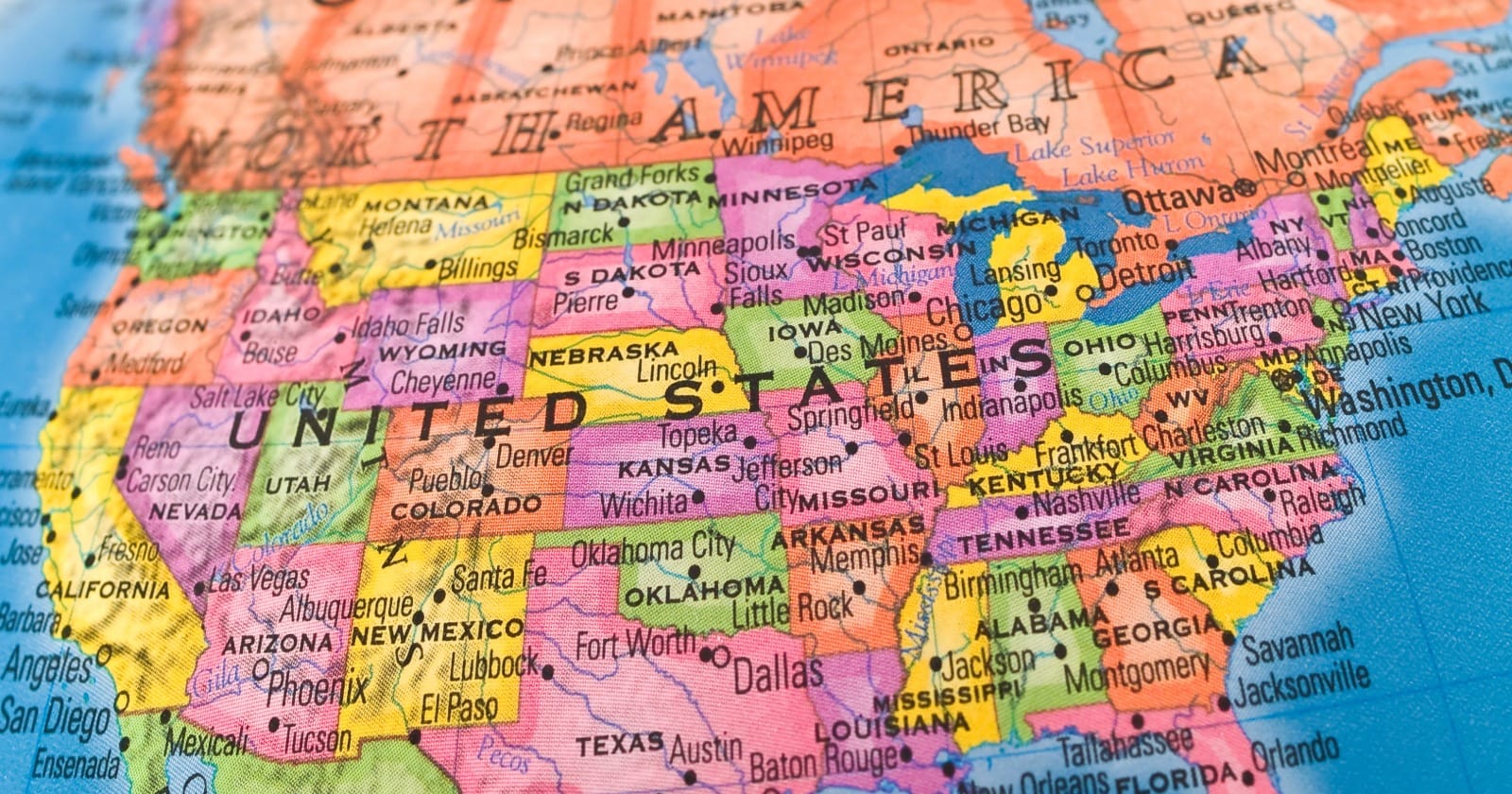
Most states offer a bonded title, but the bond size, how long it lasts, and which vehicles qualify vary a lot. Click a state to create a bill of sale for it; the bonded title application usually asks for one as proof you bought the vehicle.
| State | Bonded title? | Bond size and length | Good to know |
|---|---|---|---|
| Alabama | Yes | Set amount by vehicle type and age, 3 years | Cars and pickups: $10,000 to $50,000 depending on age. Official source |
| Alaska | Yes | 1.5 times appraised value, 3 years | Official source |
| Arizona | Yes | 1.5 times value, 3 years | Official source |
| Arkansas | Yes | 1.5 times value, 3 years | Official source |
| California | Yes | Equal to fair market value, 3 years | Official source |
| Colorado | Yes | 2 times appraised value | Official source |
| Connecticut | Yes | 2 times value, 5 years | Official source |
| Delaware | Check with the state | · | No official page mentions a bonded title. Official source |
| District of Columbia | Check with the state | · | No official page mentions a bonded title. Official source |
| Florida | Some vehicles | 2 times value, 3 years | Private sales of cars, trucks under 8,000 lb, and motorcycles. Official source |
| Georgia | Yes | 2 times average retail value (at least $5,000), 4 years | Official source |
| Hawaii | Check with the state | · | Counties issue titles; a 2026 bill proposed adding a bonded option. Official source |
| Idaho | Yes | 1.5 times appraised value, 3 years | Official source |
| Illinois | Yes | 1.5 times value, 3 years | Official source |
| Indiana | No | · | Court order if the BMV title processes don’t fit. Official source |
| Iowa | Yes | 1.5 times value, 3 years | Official source |
| Kansas | No | · | Court order (quiet title action). Official source |
| Kentucky | Check with the state | · | The state lists a court-order route. Official source |
| Louisiana | No | · | Affidavit process with a one-year wait. Official source |
| Maine | Yes | 1.5 times value, 3 years | Official source |
| Maryland | Yes | 1.5 times value, 3 years | Official source |
| Massachusetts | Yes | 1.5 times clean trade-in value, 3 years | Official source |
| Michigan | Yes | 2 times value, 3 years | Official source |
| Minnesota | Some vehicles | 1.5 times value, 3 years | Vehicles more than 5 years old. Official source |
| Mississippi | Yes | 1.5 times average trade-in value | Official source |
| Missouri | Some vehicles | 2 times value, 3 years | Vehicles 7+ years old worth $3,000 or less. Official source |
| Montana | Yes | Equal to value, 3 years | Bond needed only if the vehicle is worth over $1,000. Official source |
| Nebraska | Yes | 1.5 times value, 3 years | Official source |
| Nevada | Yes | 1.5 times original retail price, 3 years | Official source |
| New Hampshire | Yes | 1.5 times value, 3 years | Official source |
| New Jersey | No | · | Improper Evidence of Ownership procedure, by mail. Official source |
| New Mexico | Yes | 2 times value, 3 years | Official source |
| New York | Yes | 1.5 times value, 3 years | Official source |
| North Carolina | Yes | 1.5 times value (at least $100), 3 years | Official source |
| North Dakota | No | · | Untitled-vehicle process. Official source |
| Ohio | No | · | Registrar review, then a court order if needed. Official source |
| Oklahoma | No | · | Ownership affidavit. Official source |
| Oregon | No | · | Accepts other states’ bonded titles. Official source |
| Pennsylvania | No | · | Court order. Official source |
| Rhode Island | Yes | 1.5 times value, 3 years | Official source |
| South Carolina | No | · | Affidavit of ownership. Official source |
| South Dakota | Some vehicles | 1.5 times value, 3 years | Vehicles 30+ years old with no record on file. Official source |
| Tennessee | Some vehicles | 1.5 times value, 3 years | Vehicles worth over $3,000 and under 30 years old. Official source |
| Texas | Yes | 1.5 times value, 3 years | Official source |
| Utah | Yes | 2 times value, 7 years | May be required if the vehicle is worth over $3,000. Official source |
| Vermont | Yes | 1.5 times value, 3 years | Vermont residents only. Official source |
| Virginia | No | · | DMV reviews affidavits and other proof. Official source |
| Washington | Yes | 1.5 times value, 3 years | Since 2025, required only for dealers or when the record shows a lien. Official source |
| West Virginia | Check with the state | · | No official page mentions a bonded title. Official source |
| Wisconsin | Yes | 1.5 times value, 5 years | Official source |
| Wyoming | Yes | At least 2 times value | Under $2,500, no bond with an ownership affidavit and notarized bill of sale. Official source |
"No" means the state's official process for a vehicle without a title doesn't include a bond; it uses the route shown instead. "Check with the state" means we couldn't find an official page that says either way. Bond amounts are based on the vehicle's value as the state determines it. Rules change, so confirm with the agency before you apply. Checked against official state sources on October 7, 2026.
How much it costs
Total cost has three parts:
- The bond premium. Usually 1 to 2 percent of the bonded amount per year, with a minimum of about $100. Most states require a bond worth 1.5 to 2 times the vehicle's appraised value.
- The appraisal. $25 to $100 depending on whether you use the DMV's value chart, a licensed appraiser, or a dealer quote.
- DMV fees. The normal title and registration fees, sometimes with a surcharge for bonded title processing.
A typical $5,000 vehicle costs roughly $200 to $300 all in. A $25,000 vehicle costs $500 to $800.
The step-by-step process
- Get the vehicle appraised. Most states accept either an NADA or Kelley Blue Book value or a written appraisal from a licensed dealer.
- Apply to your state DMV for a bonded title. Submit a bill of sale, your photo ID, the appraisal, an affidavit of ownership, and any prior registration documents you do have.
- Wait for the DMV lien and theft search. The DMV checks for active liens, stolen vehicle reports, and any current title in another state. This takes 1 to 4 weeks.
- Get a VIN inspection. Most states require a law enforcement officer or DMV inspector to physically verify the VIN on the vehicle matches your application.
- Buy the surety bond. Once the DMV approves the bond amount, you buy the bond from any licensed surety company.
- Pay DMV fees and receive the title. The title will show a bonded brand or notation for the bond period.
States that do not offer bonded titles
States without a bonded title use the routes shown in the table above. Some use an ownership affidavit or a mail-in procedure. Others require a court order, often called a quiet title action: you file a lawsuit naming the unknown prior owner, publish notice, and wait for a judge to issue an order directing the DMV to title the vehicle to you.
Quiet title actions are slower (3 to 6 months typical) and usually cost more than a bond, mostly in court filing fees and publication costs. They are sometimes the only option for high-value vehicles or vehicles the state will not bond.
What a bonded title looks like to a buyer
If you sell the vehicle during the bond period, the new buyer receives a bonded title too. The brand carries through until the bond period expires. Most private buyers do not care once they understand what the brand means, but you should disclose it upfront. Some lenders will not finance a bonded vehicle, and some buyers may negotiate the price down slightly to account for the title status.
After the bond period expires with no claims filed, you can apply for a clean (unbranded) title from the DMV for a small fee.
Common mistakes to avoid
- Do not skip the VIN inspection. Some states will void a bonded title issued without one.
- Do not use a notarized bill of sale as proof of original ownership. It only proves the transaction between you and the seller. The DMV still needs to verify no one else has a claim.
- Do not let the bond expire without filing for a clean title. Some states will not auto-convert; you have to apply.
- Do not bond a vehicle you suspect is stolen. Bonding does not launder a stolen vehicle; the DMV theft check will catch it and you will lose the bond premium.
Bonded title applications usually ask for a signed bill of sale as proof of purchase. Our state-specific bill of sale includes the fields your DMV will ask for.