
The best time of year to sell a boat

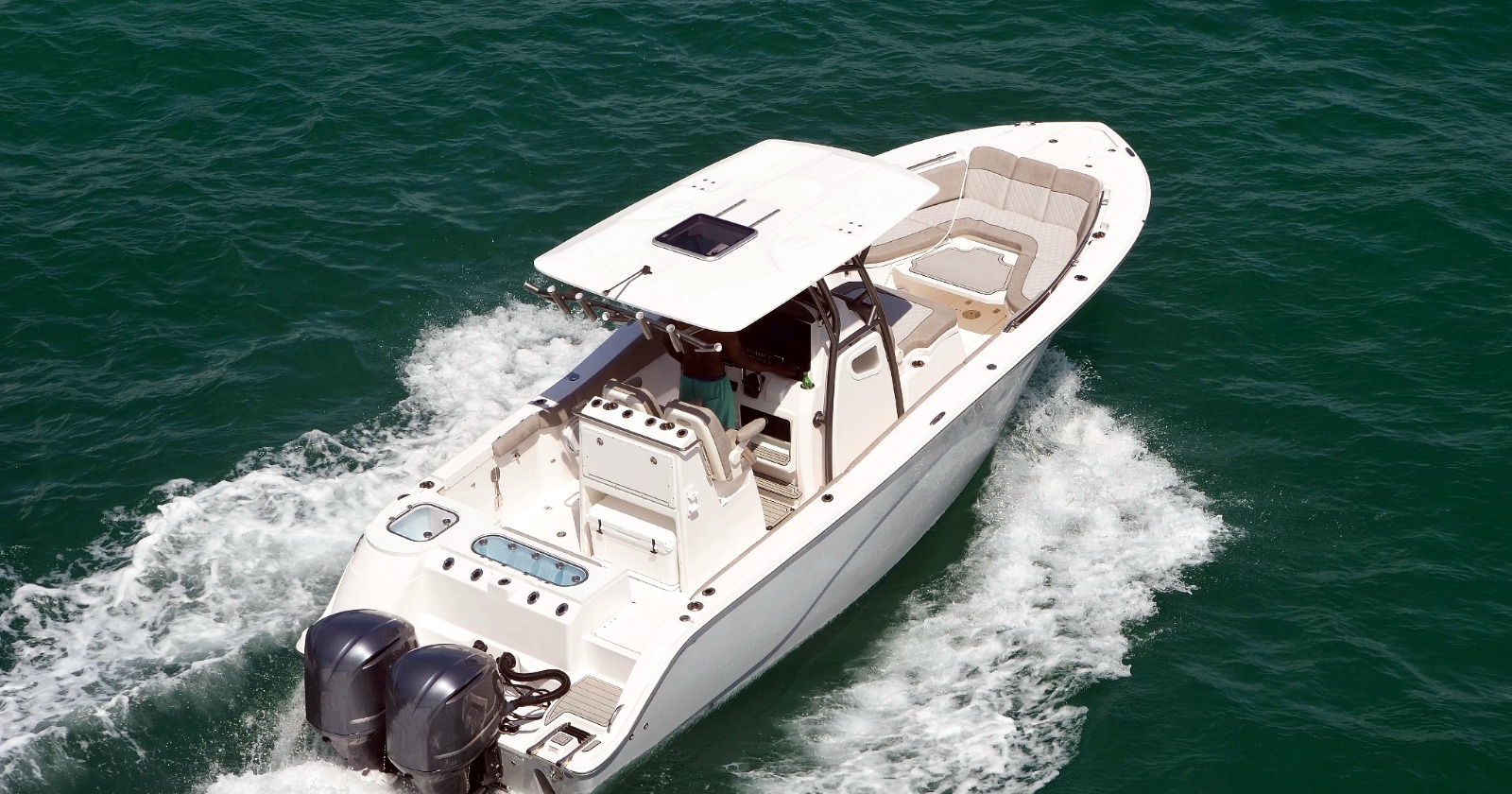
A boat is worth more in April than it is in November, and nothing about the boat changed. Seasonality moves used boat prices more than almost anything else a private seller controls, because the pool of buyers swells when the water warms and thins out when it does not. Time the listing well and you hold your asking price. Time it badly and you negotiate against the calendar.
How boat shopping follows the weather
Buyers shop when they can picture using the boat that weekend. Interest starts building late in winter, when boat shows run and tax refunds land, climbs through spring, and stays strong into early summer. From there it fades. By late summer a buyer knows they are paying a full price for a handful of remaining weekends, and by fall they know they are buying a storage bill. The same hull, the same engine hours, and the same trailer will draw a stack of calls in May and near silence in November.
Warm-water states stretch the season
In Florida, along the Gulf Coast, and across the desert Southwest, boating never fully stops, so the seasonal swing is softer. Demand still rises ahead of spring and around holiday weekends, but a clean center console listed in October still gets calls. Northern buyers shopping the southern market add another layer, because some of them buy in winter and truck the boat home in spring. In a year-round market, seasonality is a tilt rather than a cliff, and condition and pricing carry more weight than the month on the calendar.
Northern sellers work a short window
North of the freeze line the pattern is much sharper. The selling season runs from the first warm weekend to roughly Labor Day, then it collapses. Registration cycles echo that rhythm. The Michigan Secretary of State (SOS) says watercraft decals expire on March 31 and owners may renew starting January 1. The Wisconsin Department of Natural Resources (DNR) runs a three year registration term that begins April 1 and ends March 31. Minnesota registers boats for three calendar years. Those dates cluster around the opening of the season because that is when boats change hands. The practical effect for a northern seller is a narrow runway. A boat listed in June competes with every other boat that came out of storage, and a boat listed in September competes mostly with the weather forecast. Sellers who miss the spring window often do better holding until the following late winter than chasing buyers through October.
Trailer boats and slip kept boats move differently
The seasonal swing hits trailerable boats hardest. A bowrider or a fishing boat on a trailer sells to a wide audience that shops the way people shop for a car, which means a crowd in spring and an empty inbox in October. Bigger boats that live in a slip or on a lift follow a slower rhythm. Those buyers plan around a marina contract, a survey, a sea trial, and sometimes financing, so a serious shopper will look in fall for a boat they intend to use the following season. If your boat needs a survey and a haul out to sell, start earlier than you think, because that process can run for weeks. If it fits behind a pickup, aim squarely at the spring rush.
Listing early versus selling in fall
Listing in late winter or early spring buys you the strongest ask and the deepest pool of shoppers, at the cost of carrying the boat through one more winter. Selling in fall flips the trade. You field fewer calls and take a lower number, and you skip winterizing, shrink wrap, and a storage contract. Run the arithmetic on your own boat instead of following a rule of thumb. If one off season of storage, insurance, and winterizing costs more than the seasonal price gap, the fall sale wins even at a discount.
Storage and winterizing are real money
Carrying cost is the part sellers forget to count. Yard storage or an indoor rack, shrink wrap or a cover, an oil change, fogging the cylinders, fuel stabilizer, draining the block, and spring recommissioning all add up before anyone has bought anything. A slip adds more. Insurance keeps billing whether the boat moves or sits. Write down what one more off season actually costs you, then set that figure next to the extra money you expect spring buyers to pay. There is a condition cost hiding in there as well. Another winter adds hours to nothing, but it adds a season of weather to the canvas, another year on the batteries, and one more chance for a mouse to find the wiring under the console. Boats rarely improve while they wait.
Registration, insurance, and tax at the closing
Timing a sale near a renewal date saves everyone a step. If the registration is close to expiring, either renew it so the buyer is not stuck or price that in and say so in the listing. Cancel insurance the day the boat leaves your hands, not before. Sales tax usually falls on the buyer, and it can turn on how the paperwork reads. Florida notes that in a casual sale an outboard motor and accessories may be exempt when they are itemized and priced separately on the bill of sale, which is a good reason to itemize rather than write one lump number. Our sales tax calculator gives a buyer a realistic figure before they commit.
What to line up before you list
Have the ownership paperwork ready before the first showing, and check your own state agency, since requirements vary. The Florida Department of Highway Safety and Motor Vehicles (FLHSMV) wants a bill of sale that includes the manufacturer name, year, type, hull material, propulsion, fuel, use, hull identification number, and length. Minnesota asks for the year, make, hull identification number, and the seller printed name and signature on a bill of sale for a registered boat that has no title. Prepare a boat bill of sale, the title or registration card, a lien release if there was ever a loan, service records, and the trailer title if the trailer goes with it. Then wash the boat, run the engine, and photograph it on a bright day. If you cannot get all of that done before the season opens, a well prepared fall listing with honest photos often beats a rushed spring listing that sits for two months at a higher number.
Sources
Frequently Asked Questions
When do used boats sell for the most money?
Prices hold best from late winter through early summer, when buyers can picture using the boat right away. Interest drops sharply once the season ends, because a fall buyer is paying to store the boat until spring.
Is it worth storing a boat over winter to sell in spring?
Compare the seasonal price gap to one off season of storage, shrink wrap, winterizing, insurance, and spring recommissioning. If those costs approach the extra money spring buyers would pay, selling in fall at a discount makes sense.
Should I renew the boat registration before selling?
If the registration expires soon, either renew it or price the sale to account for it and say so in the listing. Renewal terms run for multiple years in several states, so the timing matters to the buyer.
Along with his duties at YourLeaseAgreement, Paul Oak is a writer covering private sale transactions, vehicle transfers, and consumer legal documents. He breaks down state-by-state requirements into plain English so buyers and sellers can navigate the paperwork without hiring a lawyer. When he's not researching DMV forms and title transfer deadlines, he's probably arguing about which state has the worst bureaucracy.
View all posts →Create Your Bill of Sale
Generate a state-specific, professionally formatted bill of sale in minutes.
Get Started - $5