
Selling a totaled car that still has a clean title

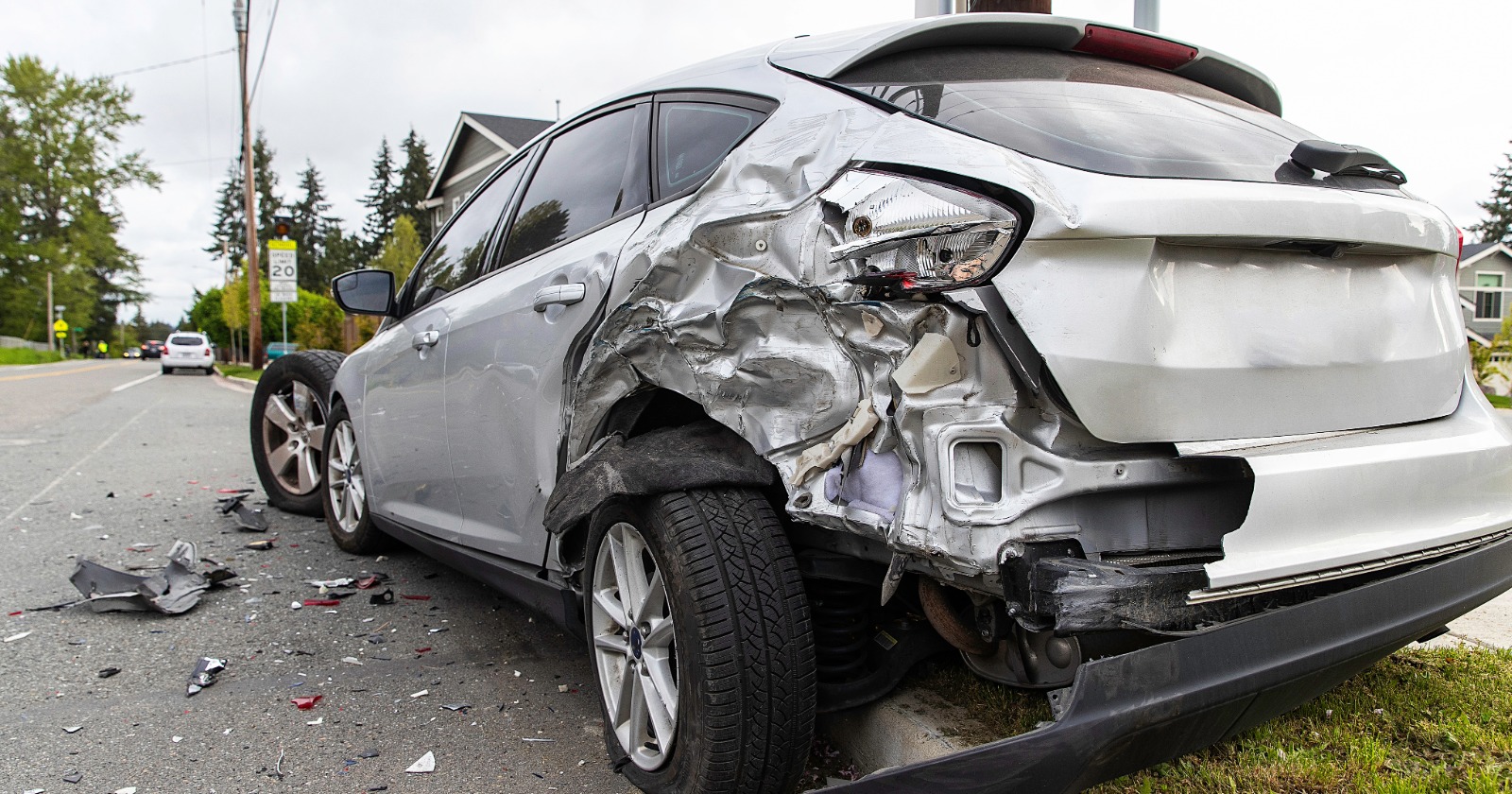
Your insurer wrote the car off, you kept the keys, and the title in your file drawer still reads clean. That is a common spot to be in, and a confusing one. A total loss is an insurance decision about repair cost versus value. A title brand is a separate state records action, and the two do not always happen in the same week, or at all. If you are the person selling the car next, the gap between them is yours to handle.
Why the title may still read clean
When an insurance company takes the car in a settlement, it usually applies for the salvage paperwork itself and the car moves to a salvage pool. When you keep the car, which insurers call an owner retained settlement, the filing depends on you and on your state. Insurers and other reporting entities send loss records to the National Motor Vehicle Title Information System (NMVTIS), the federal title database, so an electronic record of the damage can exist while your paper title still looks untouched. The Texas Department of Motor Vehicles (TxDMV) lists Owner Retained and Salvage Retention among the brands it recognizes, which is exactly the situation an owner who kept the car is in. There is also the quieter version. The repair estimate came back higher than the car was worth, you never filed a claim, and nobody reported anything. The title stays clean because no agency ever learned about the crash.
When your state expects you to apply for a brand
Several states put that duty on the owner rather than the insurer. Virginia requires the owner of an uninsured or self-insured late model vehicle to apply to the Virginia Department of Motor Vehicles (DMV) for a salvage certificate once the repair estimate passes a set share of actual cash value, and that certificate carries a branded if rebuilt note. Washington tells owners to write Destroyed across the face of the title and surrender it to the Washington State Department of Licensing (DOL) after the vehicle is destroyed. California puts the duty on the owner whenever there is no insurance settlement, with the California Department of Motor Vehicles (DMV) issuing the salvage certificate. Thresholds, deadlines, and fees differ by state and they change, so read your own agency page before you list the car.
As-is does not erase the duty to disclose
An as-is clause tells the buyer you make no promises about how the car performs after money changes hands. It does not cover facts you already know and keep quiet about. Prior collision damage, a paid total loss claim, flood water, and frame repair all sit in that category. The safer approach is plain: put the history in writing, hand over what you have, and let the buyer decide. A short written disclosure costs you nothing, and it is the only version of that conversation that survives an argument six months later.
Why hiding a wreck invites a fraud claim
Buyers find out. A history report pulls the NMVTIS record, an insurer balks at full coverage, a body shop spots filler and a replaced rail, or a mechanic finds pulled pinch welds under the rocker trim. Once a buyer believes you knew and said nothing, the dispute stops being about paint and starts being about deceit. Depending on the state, that can mean unwinding the sale, paying the difference in value, extra damages under a consumer protection statute, and a complaint to the agency that polices title fraud. Very little of the money saved by staying quiet survives that.
Selling to a dismantler or a rebuilder
A licensed dismantler or rebuilder buys damaged cars for a living. They price by parts value or repair cost, they do not need the damage explained to them, and they treat branding paperwork as routine work. You will take less money than a running car on a clean title would bring, and you will get a fast close with almost no callbacks. Bring the title, a photo ID, and a completed bill of sale. Washington, for instance, expects a seller of a destroyed vehicle to include a notarized bill of sale along with the cancellation letter, and our notarization checker shows which states expect a notary on the form.
Selling to a private buyer
Private buyers pay more, and they ask more. Expect to show photos of the damage, the repair estimate, the settlement letter, and receipts for any work already done. Price the car as what it is, which is a repaired or unrepaired wreck carrying a clean title today and, in many states, a branded title once the buyer registers it. Let the buyer bring a mechanic and let the mechanic take his time. A buyer who inspects the car and still writes the check rarely comes back angry. Say the damage out loud in the ad, too. A listing that opens with the history filters out the shoppers who would have walked once they saw the repair panel, and it draws the ones who rebuild cars on purpose and already know what they are looking at. Those buyers negotiate on parts and labor rather than on the shock of a surprise, and they tend to close.
What the bill of sale should say about condition
A vehicle bill of sale is where the disclosure belongs, because both parties sign it and both keep a copy. Include the usual identifiers first: year, make, model, VIN, odometer reading, price, and date. Then add plain sentences about condition. Name the event, state that the insurer declared the car a total loss and that you retained it, describe the damaged areas, say whether repairs were made and by whom, and confirm the vehicle is sold as-is with that history known to the buyer. Have the buyer sign directly beneath the disclosure. Soft phrases such as sold in current condition do not accomplish this. Specifics do. Attach the supporting paper to your copy as well. A settlement letter, an estimate with the damage codes, and a set of dated photos turn a one page form into a record that shows what the buyer saw and when they saw it.
What a brand does to the buyer later
Once the buyer applies for a title, the state may attach a brand, and that brand follows the car for the rest of its life. Branded cars usually need an inspection before they can be registered and driven, some insurers limit them to liability coverage, many lenders decline to finance them, and resale value drops hard. None of that is your problem if you disclosed the history. All of it becomes your problem if you did not, because the first call a surprised buyer makes is to the person who sold them the car.
Sources
Frequently Asked Questions
Do I have to tell a buyer my car was declared a total loss?
Yes. Prior damage you know about is a material fact in almost every state, and an as-is clause does not cover facts you hide. Put the total loss, the damage areas, and any repairs in the bill of sale.
Why does my title still say clean after a total loss payout?
Branding is a state records step that is separate from the insurance settlement. When you keep the car, the duty to apply for a salvage certificate may fall on you, and until someone files, the paper title stays unchanged.
Is it better to sell a wrecked car to a dismantler or a private buyer?
A dismantler pays less but closes quickly and handles branding paperwork as routine business. A private buyer pays more and asks for photos, estimates, and an inspection. Choose based on how much repair work the car still needs.
Jill Stradley writes about private sales, title transfers, and the paperwork that trips people up when buying or selling cars, boats, and everything in between. She got interested in the topic after a used car sale gone wrong taught her more about DMV requirements than she ever wanted to know. Now she breaks down what each state actually requires so other people don't have to learn the hard way.
View all posts →Create Your Bill of Sale
Generate a state-specific, professionally formatted bill of sale in minutes.
Get Started - $5