
Motorcycle bill of sale: What to include

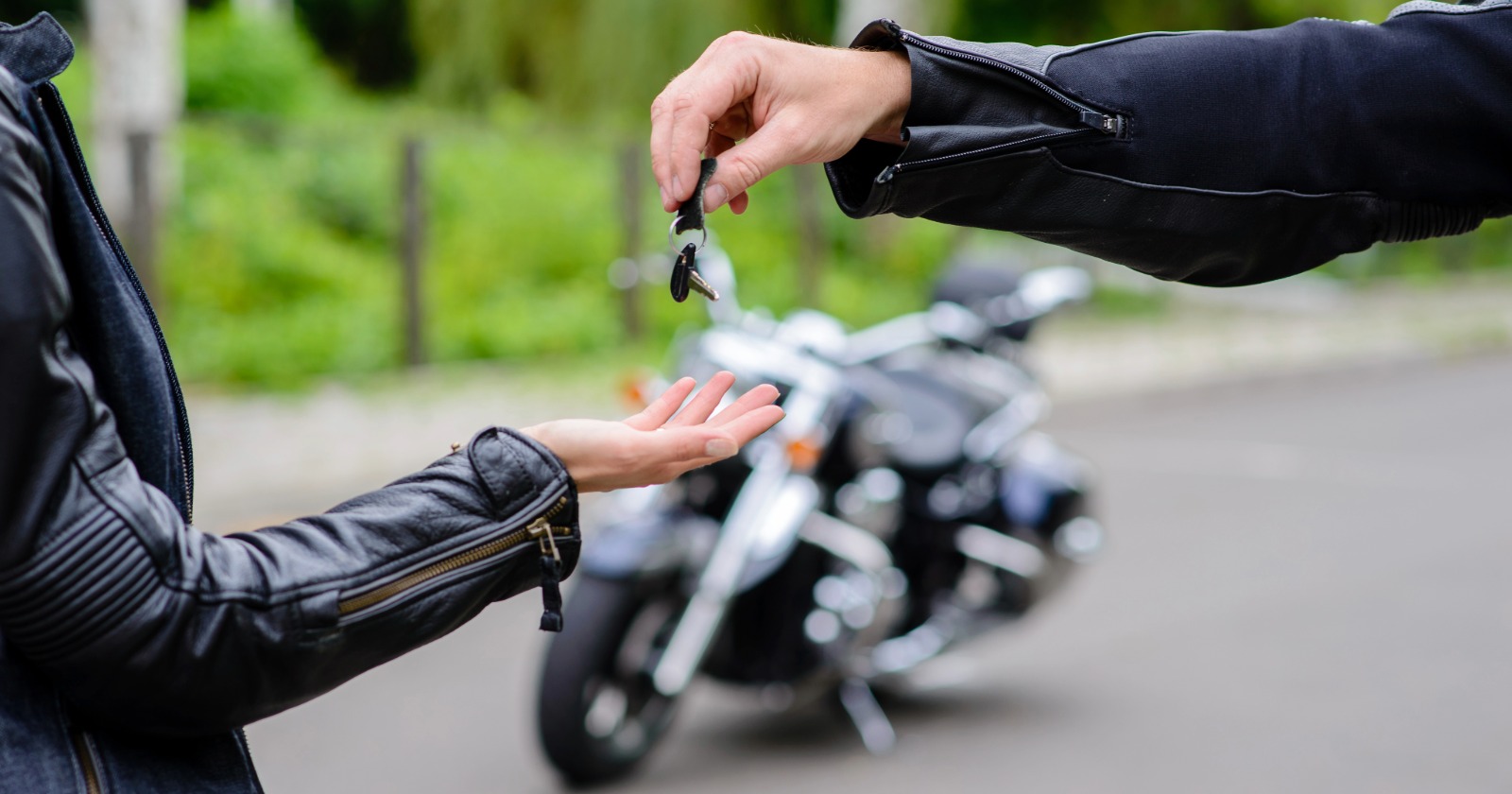
A motorcycle bill of sale is a short document with a large job. It records who sold what to whom, for how much, and on what date, and it is the page a title clerk reads when the title itself leaves a detail out. Motorcycles also carry a few fields that car forms skip, which is why a generic template often comes up short at the counter.
The fields every motorcycle bill of sale needs
Start with the parties and the machine. Full legal names and addresses for the seller and the buyer. Year, make, model, and style. The vehicle identification number. Engine displacement and color. Odometer reading. Sale price in numbers and in words. Date of sale. Title status, meaning clean, salvage, rebuilt, or no title available. An as-is statement. Signatures and printed names for everyone listed as an owner on the title. The California Department of Motor Vehicles (DMV) tells its staff that any bill of sale identifying the vehicle is acceptable as long as it establishes the chain of ownership, and that is a useful test for whatever form you use. A stranger should be able to read the page and follow ownership from one name to the next. Our motorcycle bill of sale lays those fields out in order.
VIN, engine number, and frame number
On most modern street bikes the VIN is stamped on the steering head and printed on a label on the frame. That number belongs on the form, copied character by character off the motorcycle rather than off an old registration card. Some states want the engine number, the frame number, or both. California registration procedures state that frame and engine numbers must be shown for motorcycles and all-terrain vehicles when proof of ownership is submitted, and the state bill of sale form carries a motorcycle engine number field for that reason. Photograph both stampings while the bike is still in front of you.
Why older and custom bikes need the extra numbers
Frame and engine numbers matter most where one VIN does not tell the whole story. Vintage machines were often built before modern VIN standards, so the frame and the engine each carry a separate serial number and the two may not match. Custom builds and choppers pair a frame from one source with an engine from another. A bike rebuilt after a wreck may wear a replacement engine or a replacement frame. Listing both numbers, plus a line saying which parts are original and which are not, keeps a title clerk or a future buyer from concluding that something was swapped quietly.
Odometer reading and disclosure
Write the odometer reading exactly as it displays, with no tenths, and mark whether it reflects actual mileage, exceeds the mechanical limits of the instrument, or is not the actual mileage. Federal rules under 49 CFR 580 exempt certain older vehicles from odometer disclosure, and the cutoff depends on the model year, so read the regulation instead of assuming an old bike is exempt. Even where disclosure is not required, recording the reading protects the seller. Many state forms, including the bill of sale published by the Maryland Motor Vehicle Administration (MVA), build the odometer statement into the form itself.
Price, date, and what changes hands
State the full price paid. If the bike was a trade or a gift, say so rather than writing a token dollar amount, because tax offices use the stated price and several states compare it to book value and ask questions when the gap is wide. Maryland requires a notary when its bill of sale is used to establish the purchase price, and it asks the seller to explain a below market figure. Then list what is included: a second key, the service manual, the title, saddlebags, a windshield, a spare rear tire, or a helmet. If something visible in the listing photos is staying with you, write that down too. Note how the buyer paid as well, whether that was cash, a cashier check, or a transfer, and write received in full next to the amount once the money has cleared. Sellers who skip that line are the ones arguing later about a deposit nobody wrote down.
As-is language and what it actually does
An as-is clause says the seller makes no warranty about future condition. It does not cover known defects the seller hid, and it does not help a dealer in a state with used vehicle warranty rules. Keep the wording plain. The vehicle is sold as-is and where-is, with no warranty of any kind, and the buyer has inspected it. Then disclose what you know that a rider would want to know, such as a slipping clutch, a weeping fork seal, a rebuilt title, or a tip over in a parking lot.
Off-road bikes and dirt bikes
A dirt bike that has never been street legal often has no title at all, and in that case ownership rides entirely on the bill of sale. That makes the document more important, not less. Include the frame and engine numbers, note that the machine is for off-highway use only, and record any off-highway registration number or trail sticker. A buyer who plans to register it for trail riding will need your signed form to start. Keep a copy, because an off-road bike with a thin paper trail is exactly the machine that gets questioned later. Pit bikes, youth models, and trials bikes fall in the same group, and so does a street bike stripped for track use with the lights and plate removed. Describe the machine as it sits, including any missing equipment, so the form matches what the buyer loads into the truck.
Notarization and signatures
Notary rules vary. California states plainly that a bill of sale does not need to be notarized or witnessed. Other states require a notary for a private vehicle sale, and some require one only in specific situations, such as establishing a purchase price or transferring a vehicle without a title. Check your state before you sign anything, and use our notarization checker to see where a notary is expected. Sign in blue or black ink, have every titled owner sign, give the buyer the original, and keep a copy or a clear photo for yourself. File your copy with a note of the buyer license number and the date. That is the paperwork that answers a parking ticket mailed to you three months after the bike left your garage.
Sources
Frequently Asked Questions
What information goes on a motorcycle bill of sale?
Names and addresses for both parties, year, make, model, VIN, engine and frame numbers where required, color, odometer reading, title status, sale price, date, an as-is clause, and signatures from every owner named on the title.
Does a motorcycle bill of sale need to be notarized?
It depends on the state. California states that a bill of sale does not need a notary or witness, while Maryland requires one when the form establishes the purchase price. Check your state agency before signing.
Why do some states ask for the engine or frame number?
Older, custom, and rebuilt motorcycles often carry separate serial numbers on the frame and engine that do not match a single VIN. Recording both lets a clerk trace ownership and confirm the parts on the machine.
Jill Stradley writes about private sales, title transfers, and the paperwork that trips people up when buying or selling cars, boats, and everything in between. She got interested in the topic after a used car sale gone wrong taught her more about DMV requirements than she ever wanted to know. Now she breaks down what each state actually requires so other people don't have to learn the hard way.
View all posts →Create Your Bill of Sale
Generate a state-specific, professionally formatted bill of sale in minutes.
Get Started - $5