
Do you pay taxes when you sell your car?

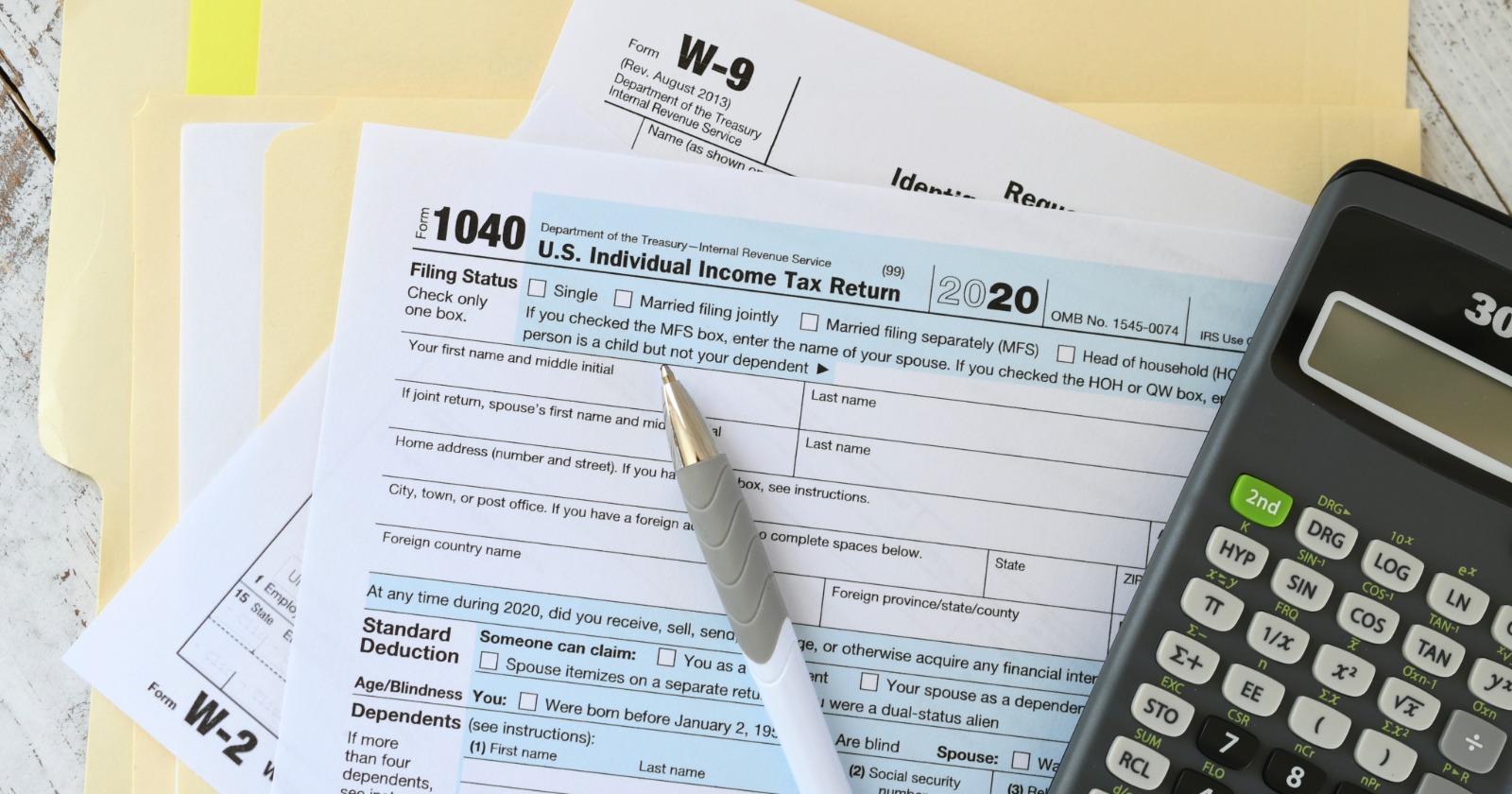
For most people, selling a used car doesn't create a tax bill. The reason isn't an exemption. It's that most cars lose value, and a car you sell for less than you paid produces no taxable gain. The IRS still counts a personal car as a capital asset, though, the same category as your house or a stock, and that matters in the minority of sales where the car sold for more than it cost.
Start with your basis. That's usually what you paid for the car, including sales tax and fees, plus the cost of improvements that added value (a rebuilt engine, a restoration). Routine repairs and maintenance don't count. Subtract your basis from what the buyer paid you. If the result is negative, you sold at a loss. If it's positive, you have a gain.
A typical example: you bought a sedan for $24,000 five years ago and sell it privately for $13,500. That's a $10,500 loss, and it does nothing for your taxes in either direction. The IRS says plainly that losses from the sale of personal-use property, such as your home or car, aren't deductible. You don't owe anything, and you can't write the loss off against other income.
When a car sale is taxable
A gain is a different story. If you sell for more than your basis, the profit is a capital gain and belongs on your tax return, generally on Form 8949 and Schedule D. Hold the car more than a year and it's a long-term gain, taxed at the lower long-term rates. Hold it a year or less and it's short-term, taxed like ordinary income.
That situation comes up more than people expect. Collector and classic cars appreciate. So do some limited-production models that sold for more than sticker during supply shortages. A seller who bought a pickup in 2021 and flipped it for a profit, or who restored an older car and sold it at auction, may owe tax on the difference. Keep receipts for restoration work, since they raise your basis and shrink the gain. If you're selling something with collector value, see how to sell a classic or antique car.
Business use changes the math too. If you deducted depreciation on a vehicle you used for work, selling it can trigger tax on part of that depreciation even when the sale price is below what you paid. That's reported differently from a personal sale, and it's worth running past a tax preparer. IRS Publication 544 covers sales of business property.
Buyers increasingly pay through apps. When a payment app or card processor handles a payment marked as goods and services, it may send you a Form 1099-K reporting the gross amount. The form shows what you received, not what you made, and receiving one doesn't mean you owe tax. The IRS has instructions for reporting a personal item sold at a loss so that the form's amount nets to zero instead of showing up as income. If you sold at a gain, the gain is taxable whether or not you get a form.
Bank transfers, cashier's checks, and cash don't generate a 1099-K, but the rule doesn't change with the payment method. The tax follows the gain. For the safest ways to take payment, see getting paid safely when you sell a car.
Sales tax is the buyer's concern, not the seller's. In most states the buyer pays sales or use tax when they title and register the car, based on the price, which is one reason the price on the bill of sale should be the real one. A seller who writes a lower number to save the buyer tax is putting a false figure on a document that both of you signed. See how sales tax works on a private sale.
Trade-ins work a little differently because no cash comes back to you, but the same gain-or-loss logic applies to the value the dealer gives you. Almost every trade-in is a loss. See selling to a dealer or trading in.
Keep three things after the sale: the original purchase paperwork, receipts for any improvements, and the signed bill of sale showing the price and date. If the IRS ever asks about a 1099-K, those documents show the sale was a loss. If you had a gain, they're how you prove your basis.
Sources
Frequently Asked Questions
Do I have to report selling my car to the IRS?
Only if you sold it for more than you paid, counting improvements. The IRS treats a personal car as a capital asset, so a gain is taxable and goes on your return. If you sold it for less, there is no taxable gain and the loss is not deductible.
Is a loss on the sale of my personal car tax deductible?
No. The IRS says losses from selling personal-use property, such as your home or car, are not tax deductible. Most used cars sell for less than their purchase price, so most sellers have a nondeductible loss and nothing to pay.
Why did I get a Form 1099-K after selling my car?
A payment app or card processor may issue a Form 1099-K when it handles payments for goods. The form reports the gross payment, not your profit. If you sold the car at a loss, the IRS explains how to report the form so it does not create taxable income.
Jill Stradley writes about private sales, title transfers, and the paperwork that trips people up when buying or selling cars, boats, and everything in between. She got interested in the topic after a used car sale gone wrong taught her more about DMV requirements than she ever wanted to know. Now she breaks down what each state actually requires so other people don't have to learn the hard way.
View all posts →Create Your Bill of Sale
Generate a state-specific, professionally formatted bill of sale in minutes.
Get Started - $5