
How to Transfer a Boat Title in Minnesota

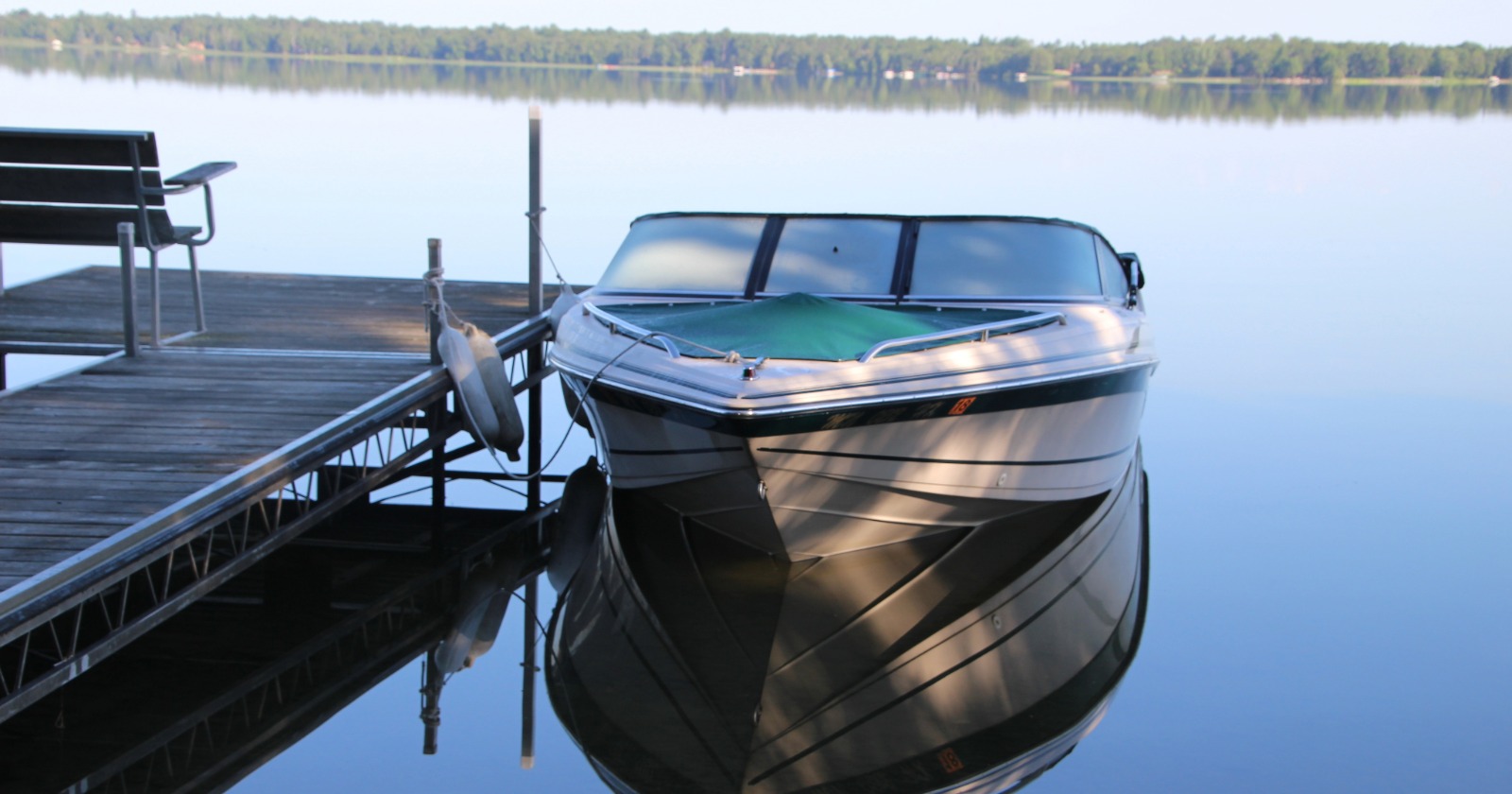
Minnesota has more lakes than almost anywhere in the country and a private boat market to match. Transactions happen constantly from ice-out in May through late fall, and the process for transferring a boat title here has enough specific requirements that treating it like a casual handshake transaction tends to create problems. Here's exactly what you need to know before you sell or buy a vessel in Minnesota.
Which Agency Handles Boat Titles in Minnesota
Minnesota boat title transfers go through the Minnesota Department of Natural Resources, not the DMV. This is the first thing that trips up sellers who are used to handling vehicle titles at the deputy registrar's office. The DNR handles all watercraft titling and registration in the state. Applications can be submitted through a deputy registrar who is also authorized to handle DNR transactions, or directly through the DNR. Not every deputy registrar handles watercraft, so confirm before you show up.
Which Boats Require a Title in Minnesota
Minnesota requires titling for watercraft that are motorized or are sailboats 20 feet or longer. Non-motorized boats under 20 feet, including canoes, kayaks, and rowboats, don't require titling. Motorized watercraft regardless of length require both registration and titling.
If you're selling a motorized vessel and it doesn't have a Minnesota title, that's a problem that needs to be resolved before you can complete a clean transfer. The buyer can't register a titleable vessel without a title, and a private sale without a title transfer creates a chain of ownership problem the buyer will discover when they try to register. Apply for a duplicate title through the DNR before you list the vessel if yours is missing.
Step 1: Locate the Title and Check for Liens
Before you list the boat, find the physical certificate of title and confirm it's in your name with no outstanding liens. If there's a marine loan on the vessel, contact the lender for the payoff amount and get the lien released before you close the sale. The DNR won't process a title transfer with an unresolved lien unless the lienholder signs off, and structuring a sale around a payoff at closing requires a buyer willing to participate in that arrangement.
Minnesota marine lenders sometimes take longer to process lien releases than auto lenders. If you're selling a boat with a loan on it, start the payoff conversation with your lender early rather than waiting until you have a buyer lined up. Knowing exactly how long the lien release takes prevents a deal from falling apart because of a timeline the buyer wasn't expecting. If you're structuring a payoff at closing, a promissory note documenting the payment terms between you and the buyer adds protection for both sides.
Step 2: Verify the Hull Identification Number
The Hull Identification Number needs to be located on the vessel and confirmed against the title before you proceed. In Minnesota, the HIN is required on the transom of the vessel, typically on the starboard side. It's a 12-character identifier that the DNR uses to track ownership and registration. The HIN on the physical boat must match the HIN on the title exactly.
On older Minnesota boats, particularly those built before 1972 when the federal HIN requirement took effect, the vessel may have a state-assigned identification number rather than a standard HIN. If you're selling an older vessel and the title shows a non-standard identifier, confirm with the DNR how that affects the transfer process before you list the boat.
Step 3: Complete a Bill of Sale
Minnesota doesn't legally require a bill of sale for a private watercraft transfer, but completing one is one of the most important steps in the transaction. A signed Minnesota boat bill of sale documents the agreed sale price, the vessel's HIN, engine details, included equipment, the as-is condition of the boat, and the date of transfer.
The sale price matters for the buyer's tax calculation. Minnesota charges a 6.5 percent sales tax on watercraft purchases. Without a documented sale price, the DNR or county assessor uses the vessel's market value to calculate the tax. For a boat that sold below market value due to age, condition, or negotiation, the documented private sale price is what the buyer uses to establish the actual transaction amount. On a boat that sold for $22,000 but has a market value of $28,000, the 6.5 percent tax difference is $390. That's money the buyer doesn't pay with a properly completed bill of sale and pays unnecessarily without one.
The as-is clause in the bill of sale is the seller's primary protection against post-sale condition claims. Boats are expensive to repair and buyers who discover issues after closing have real motivation to pursue the seller when the dollar amounts are significant. A signed as-is clause documents that the buyer accepted the vessel in its current condition and had the opportunity to inspect before purchase. Both parties sign the bill of sale and both parties keep a copy.
Step 4: Itemize the Trailer and Equipment Separately
If the sale includes a trailer, it transfers separately from the boat. Minnesota boat trailers are titled and registered through the DVS, which is the Driver and Vehicle Services division, not the DNR. Two separate title transfers, two separate agencies, two separate fee calculations. A bill of sale that lists the boat and trailer under a single undifferentiated price creates ambiguity at both agencies when the buyer tries to register each one.
List the boat with its HIN and agreed value separately from the trailer with its VIN and agreed value. If electronics, safety equipment, fish finders, trolling motors, or other accessories are included in the sale, itemize them on the bill of sale. Disputes about what was included in the price happen most often when the documentation doesn't specify. A clear itemized list in the bill of sale eliminates that argument before it starts.
Step 5: Sign the Title Correctly
The Minnesota watercraft certificate of title has specific fields for the seller's signature, the buyer's name and address, the sale price, the HIN, and the date of sale. Fill in every required field accurately and completely. Do not leave fields blank. Do not make corrections by crossing anything out. A title with errors or incomplete fields will be rejected at the DNR and requires a duplicate title application to fix.
Use the buyer's full legal name exactly as it appears on their government-issued ID. A name discrepancy between the title and the buyer's ID creates a registration problem the buyer discovers at the DNR counter. That's a phone call from the buyer you don't want to receive after the sale is done and the money has changed hands.
Step 6: Collect Payment Securely
For cash transactions, count it on the spot before handing over anything. For cashier's checks, call the issuing bank and verify the check before you release the vessel or the title. Cashier's check fraud is common in private boat sales, particularly on higher-value transactions, and a convincing fake passes a quick visual inspection easily.
For transactions above $20,000, meeting at the buyer's bank branch during business hours lets them get a cashier's check issued on the spot while you watch. On a $50,000 walleye boat or a $75,000 pontoon, the extra coordination is worth it. Wire transfer is the safest option for very high-value transactions where both parties are comfortable with the process.
Minnesota's Watercraft Sales Tax and How to Handle It
The 6.5 percent Minnesota sales tax on watercraft is collected at the time of registration. The buyer pays it when they bring the signed title and bill of sale to the DNR or deputy registrar. The tax is calculated on the greater of the purchase price or the vessel's fair market value as determined by the DNR's valuation system.
This is the same standard presumptive value issue that affects boat sales in Texas and cars in states like Georgia. Without a documented sale price from a signed bill of sale, the DNR defaults to their valuation. On older boats, boats sold in distressed condition, or any vessel where the negotiated price came in below the DNR's market value figure, the bill of sale is what protects the buyer from paying tax on a number higher than what was actually paid. Provide it even though it's not legally required.
The 15-Day Transfer Requirement
Minnesota has a relatively short title transfer window compared to most states. Buyers have 15 days from the date of purchase to transfer the title into their name. That's half the 30-day window that most states provide and it moves fast. Let the buyer know at the time of sale. A buyer who misses the 15-day window pays late fees and has to explain the gap. That explanation often involves calling you to clarify the actual sale date, which is another reason the date on the title and the date on the bill of sale both need to reflect the actual transaction date accurately.
Coast Guard Documented Vessels in Minnesota
Some larger Minnesota vessels, particularly cabin cruisers and houseboats on larger lakes, are documented with the U.S. Coast Guard rather than titled at the state level. A Coast Guard documented vessel transfers through the National Vessel Documentation Center using a specific bill of sale form. The buyer still needs to register the vessel with the Minnesota DNR for state purposes even if the ownership documentation is federal.
If you're selling a Coast Guard documented vessel, confirm the documentation status before you list. Showing up at a DNR office with a documented vessel expecting a state title transfer is a wasted trip. The transfer process for documented vessels is different and requires the correct federal forms to be completed and submitted to the NVDC.
Selling a Personal Watercraft in Minnesota
Jet skis, Sea-Doos, and other personal watercraft are classified as motorized watercraft in Minnesota and follow the same titling and registration requirements as boats. Title transfer goes through the DNR, the same 6.5 percent sales tax applies, and the same 15-day transfer window applies. Complete a bill of sale for any PWC sale the same way you would for a larger vessel. Include the HIN, the engine details, and any included equipment like a trailer or covers.
If Someone Else Is Completing the Transaction
If the title owner can't be present for the closing, a power of attorney authorizing another person to sign the title and bill of sale is required. Minnesota DNR recognizes power of attorney for watercraft title transactions. Get it executed before the buyer shows up. A title signed by someone without proper authorization creates a defective transfer that the DNR will flag when the buyer attempts to register.
Check whether your transaction requires notarization using the Notarization and Title Requirements Checker before you finalize the documentation. Minnesota doesn't require notarization for a standard watercraft bill of sale, but power of attorney documents have different requirements.
Selling a Boat Registered in Another State
If you're selling a boat that's currently registered and titled in another state to a Minnesota buyer, the buyer needs to complete a Minnesota title application for an out-of-state vessel. The process involves a DNR inspection of the HIN in some cases, a Minnesota title application, payment of the sales tax, and new registration. Let the buyer know this before closing so they're not surprised by the additional steps when they try to register in Minnesota.
As the seller, your documentation responsibilities are the same regardless of where the boat is currently registered. Provide a correctly signed title from the state of current registration, a completed bill of sale, and any supporting documentation the buyer needs to establish a clean chain of ownership for the Minnesota title application.
The Complete Minnesota Boat Sale Checklist
Title in hand, clean, and in your name with no active liens. HIN verified on the vessel and matching the title. Minnesota boat bill of sale completed with actual sale price, HIN, engine details, itemized equipment and trailer separately, as-is clause, and signed by both parties. Trailer title signed separately if applicable. Title signed correctly with all required fields completed and dated on the day of the transaction. Payment confirmed before releasing the vessel or the title. Buyer informed of the 15-day transfer window. Copy of all documentation kept for your records.
Minnesota's 15-day transfer window is shorter than most sellers expect and shorter than most other states. Make sure the buyer knows it before the transaction closes. Everything else in the process is manageable when you know the steps going in. The bill of sale, the correct title signature, the itemized equipment list, and the HIN documentation are the four things that keep a Minnesota boat sale clean from listing to handoff.
Selling a Boat in a Different State?
Boat rules vary widely from state to state. See our step-by-step selling guides for Missouri, Kansas, Iowa, and Alabama.
Frequently Asked Questions
Who handles boat title transfers in Minnesota?
Minnesota boat titles and registrations are handled through the Department of Natural Resources, not the DMV.
Do boats require titles in Minnesota?
Most motorized watercraft and sailboats 20 feet or longer require Minnesota titles.
Why should Minnesota boat sellers use a bill of sale?
A bill of sale documents the actual sale price and helps buyers avoid paying taxes on inflated market valuations.
Along with his duties at YourLeaseAgreement, Paul Oak is a writer covering private sale transactions, vehicle transfers, and consumer legal documents. He breaks down state-by-state requirements into plain English so buyers and sellers can navigate the paperwork without hiring a lawyer. When he's not researching DMV forms and title transfer deadlines, he's probably arguing about which state has the worst bureaucracy.
View all posts →Create Your Bill of Sale
Generate a state-specific, professionally formatted bill of sale in minutes.
Get Started - $5