
Can You Sell a Gun Privately in North Carolina Without a Background Check?

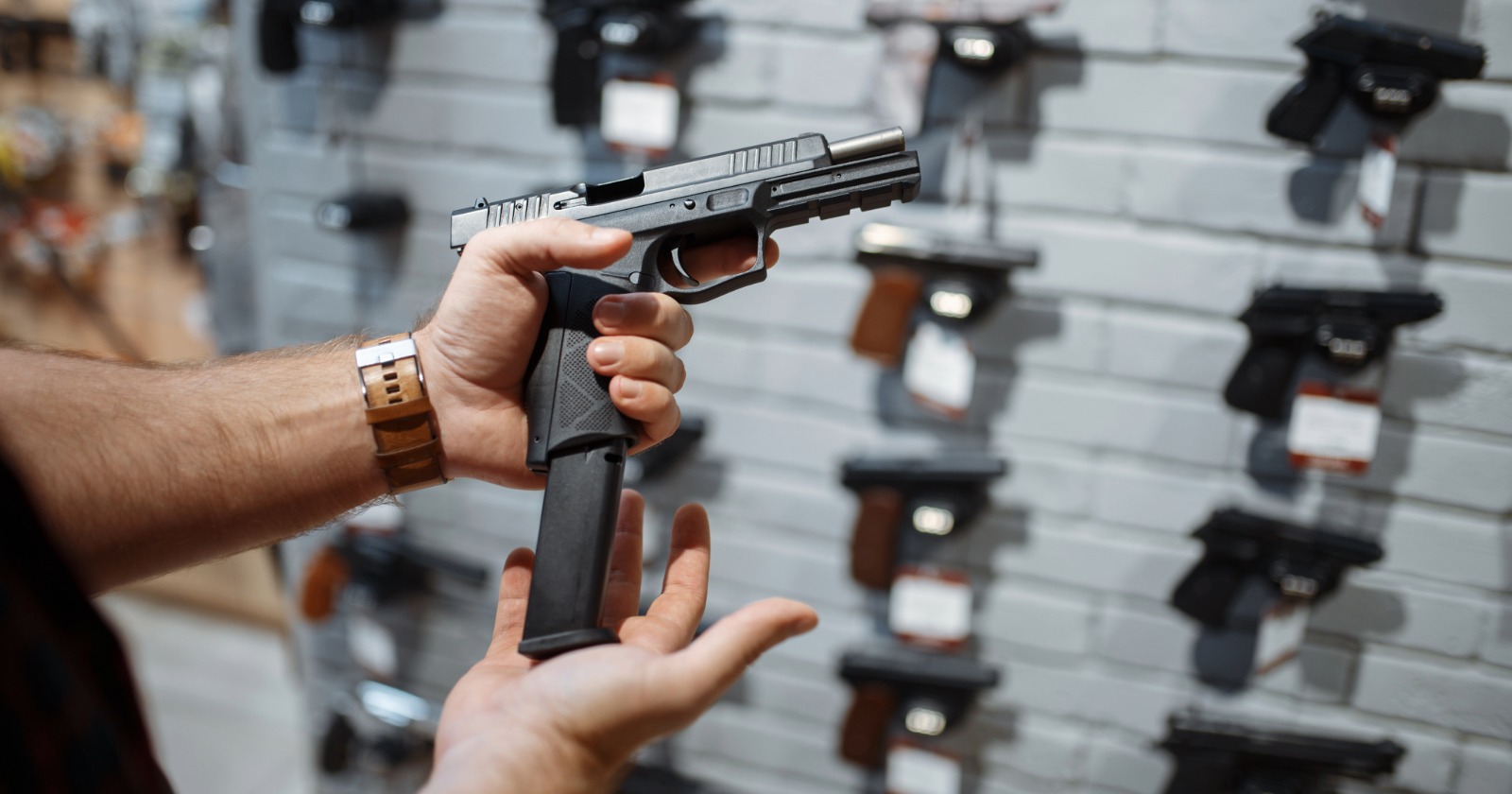
North Carolina sits in an interesting middle ground on private firearm sales. It's a state with real and specific requirements that go beyond the federal baseline, but those requirements are more manageable than what sellers in universal background check states deal with. Understanding exactly where North Carolina stands before you complete a private transfer is worth the five minutes it takes, because the rules here are different enough from the federal defaults that assuming you know them without checking is how mistakes happen.
North Carolina's Pistol Purchase Permit
This is the requirement that surprises most out-of-state buyers and sellers who aren't familiar with North Carolina law. North Carolina requires buyers to obtain a Pistol Purchase Permit from their county sheriff's office before purchasing a handgun from a private seller. This applies to private sales, not just dealer transactions. It doesn't apply to long guns, meaning rifles and shotguns, but for any handgun sale between private individuals in North Carolina, the buyer needs to show you a valid permit before you can legally transfer the firearm.
The permit is issued by the sheriff's office in the county where the buyer resides. The application process involves a background check run by the sheriff's department. Permits are valid for five years from the date of issuance and a single permit covers one handgun purchase. A buyer who wants to purchase two handguns needs two permits.
As the seller, you need to see the permit before completing the transfer and you should retain a copy or record the permit number on the bill of sale. If a buyer shows up to purchase a handgun without a permit, the sale cannot legally proceed under North Carolina law regardless of whether the buyer seems legitimate. This isn't optional and there's no workaround for a buyer who forgot to get one.
The Federal Background Check Exception
There is one exception to the pistol purchase permit requirement. If the buyer has a valid North Carolina Concealed Handgun Permit, they are exempt from the pistol purchase permit requirement for private sales. The CHP serves as proof that the buyer has already passed a background check and meets the eligibility requirements for firearm purchase. Check the CHP carefully, confirm it hasn't expired, and record the permit number on your documentation the same way you would for a pistol purchase permit.
Long Gun Sales Are Different
Private sales of rifles and shotguns in North Carolina don't require a pistol purchase permit or a background check. The federal baseline applies: you can complete the transfer directly between private parties as long as both are North Carolina residents and you have no reason to believe the buyer is prohibited from owning a firearm.
That last part matters. Federal law prohibits selling to anyone you know or have reasonable cause to believe is a prohibited person. The prohibited categories include felons, domestic violence misdemeanants, anyone subject to certain restraining orders, unlawful users of controlled substances, people adjudicated as mentally defective, undocumented immigrants, and others. Not needing a permit for a long gun sale doesn't mean you can sell to anyone who shows up. It means the permit requirement specifically doesn't apply, not that due diligence doesn't.
Verify Identity and Residency Regardless of Firearm Type
Ask for a government-issued photo ID before completing any private firearm transfer. Confirm the address is in North Carolina. Federal law prohibits selling handguns to residents of another state in a private sale, and long gun transfers across state lines need to route through a licensed dealer in the buyer's home state to be legal. A buyer who drove in from Virginia or South Carolina for a private purchase isn't someone you can sell to directly regardless of which type of firearm is involved.
This check takes fifteen seconds and eliminates any residency ambiguity. Record the buyer's ID information on the bill of sale. If a dispute or legal question ever arises about the transaction, documentation showing you verified the buyer's identity and residency is the evidence that you acted in good faith.
Complete a Firearm Bill of Sale for Every Transfer
A signed firearm bill of sale is the most important documentation step in any private North Carolina firearm transfer. For a handgun sale, it supplements the permit requirement by documenting the full transaction details. For a long gun sale where no permit is required, it's the primary documentation protecting both parties.
A complete North Carolina firearm bill of sale should include the full legal names and addresses of both buyer and seller, a government-issued ID number for both parties, the firearm's make, model, caliber, and serial number, the sale price, the date of transfer, the permit number if applicable, a buyer statement confirming legal eligibility to purchase and possess a firearm in North Carolina, and signatures from both parties.
The serial number is the most critical field. It's how law enforcement traces a firearm if it's ever used in a crime or reported stolen. Your bill of sale documenting the transfer of that specific serial number to a specific identified person on a specific date is what establishes you were no longer in possession of that weapon after the transaction date. Without it, you're the last documented owner with no paper trail showing the gun left your hands.
Why the Buyer Eligibility Statement Matters
Including a statement where the buyer confirms they are legally eligible to purchase and possess a firearm in North Carolina doesn't verify the claim. You're not running a NICS check. But a buyer who lies on a signed document has committed a separate offense, and your documented good faith reliance on their representation provides meaningful protection if the transaction is later questioned.
Think of it this way: a seller who completed a permit check for a handgun sale, verified the buyer's ID, and had the buyer sign a document affirming their legal eligibility has done everything a private seller in North Carolina is expected to do. A seller who skipped all of that is in a very different position if that firearm later turns up connected to something it shouldn't be.
Going Through a Dealer Even When You Don't Have To
For long gun sales where no permit is required, routing the transaction through a licensed FFL dealer is worth considering for high-value firearms or sales to buyers you don't personally know. The dealer runs a full NICS background check, handles the transfer paperwork, and takes on the compliance liability for the check. You pay a transfer fee, typically between $25 and $75, and walk away with the cleanest possible documentation for the transaction.
For a $1,500 rifle or a $2,000 shotgun sold to a stranger from an online listing, the transfer fee is a small cost for significant peace of mind. Use the Notarization and Title Requirements Checker to confirm your state's specific requirements before proceeding and to verify what documentation is needed for your specific transaction type.
Selling Inherited Firearms in North Carolina
If you're selling a firearm you inherited, the same rules apply as any other private transfer. If it's a handgun, the buyer needs a valid pistol purchase permit or CHP. If it's a long gun, standard private sale rules apply. The fact that you inherited the firearm rather than purchased it doesn't change the transfer requirements.
One additional consideration for inherited firearms: if the decedent's estate is going through probate, there may be estate administration requirements around transferring firearms as part of the estate assets. An estate attorney familiar with North Carolina probate law can confirm whether the specific circumstances of your inheritance create any additional documentation requirements before you proceed with a sale.
What Happens If You Sell Without Following North Carolina's Requirements
Selling a handgun in North Carolina to a buyer without a valid pistol purchase permit or CHP is a Class 2 misdemeanor under North Carolina law. It doesn't matter whether the buyer was actually eligible or whether the transaction would have cleared a background check. The failure to obtain and verify the permit is the violation. First offense penalties can include fines and up to 60 days in jail. Repeated violations carry heavier consequences.
This is a state-specific requirement that sits on top of federal law. A private handgun sale in North Carolina that complies with all federal requirements but skips the permit verification still violates state law. Knowing the federal rules isn't enough here.
Keeping Your Records
After the sale is complete, keep your copy of the firearm bill of sale, the permit number you verified, and any other documentation from the transaction. Unlike licensed dealers who are federally required to keep records for 20 years, private sellers in North Carolina have no statutory record retention requirement. But keeping your own records is straightforward common sense. A firearm trace that comes back to a transaction you completed three years ago is a situation where your records either clear you quickly or leave you explaining yourself without documentation.
Save a copy somewhere you can find it. A photo on your phone synced to cloud storage, a folder in your email, a physical copy filed with other important documents. The transaction takes an afternoon. The documentation should outlast the memory of it by years.
The North Carolina Private Firearm Sale Checklist
For handgun sales: verify buyer has a valid Pistol Purchase Permit or Concealed Handgun Permit before proceeding. Confirm the permit is current and record the permit number. Verify buyer's government-issued ID and confirm North Carolina residency. Complete a firearm bill of sale with full details including serial number, permit number, buyer eligibility statement, and signatures from both parties. Both parties keep a copy.
For long gun sales: verify buyer's government-issued ID and confirm North Carolina residency. Confirm you have no reason to believe the buyer is a prohibited person. Complete a firearm bill of sale with full details including serial number, buyer eligibility statement, and signatures from both parties. Consider routing through an FFL dealer for high-value firearms or sales to buyers you don't personally know. Both parties keep a copy.
North Carolina's handgun permit requirement is specific and non-negotiable. Everything else in the private firearm sale process is documentation and common sense. Get both right and the transaction is clean. Skip either one and you're taking on risk that a five-minute process would have eliminated entirely.
Frequently Asked Questions
Do private handgun sales require a permit in North Carolina?
Yes. Buyers generally need either a valid Pistol Purchase Permit or a Concealed Handgun Permit for private handgun sales.
Are private rifle and shotgun sales different in North Carolina?
Yes. Long gun sales do not require a pistol purchase permit under North Carolina law.
Do private firearm sales require a background check in North Carolina?
Private handgun sales require a Pistol Purchase Permit or Concealed Handgun Permit, which function as prior background check verification.
Jill Stradley writes about private sales, title transfers, and the paperwork that trips people up when buying or selling cars, boats, and everything in between. She got interested in the topic after a used car sale gone wrong taught her more about DMV requirements than she ever wanted to know. Now she breaks down what each state actually requires so other people don't have to learn the hard way.
View all posts →Create Your Bill of Sale
Generate a state-specific, professionally formatted bill of sale in minutes.
Get Started - $5