
How to Spot Odometer Fraud Before You Buy a Used Car

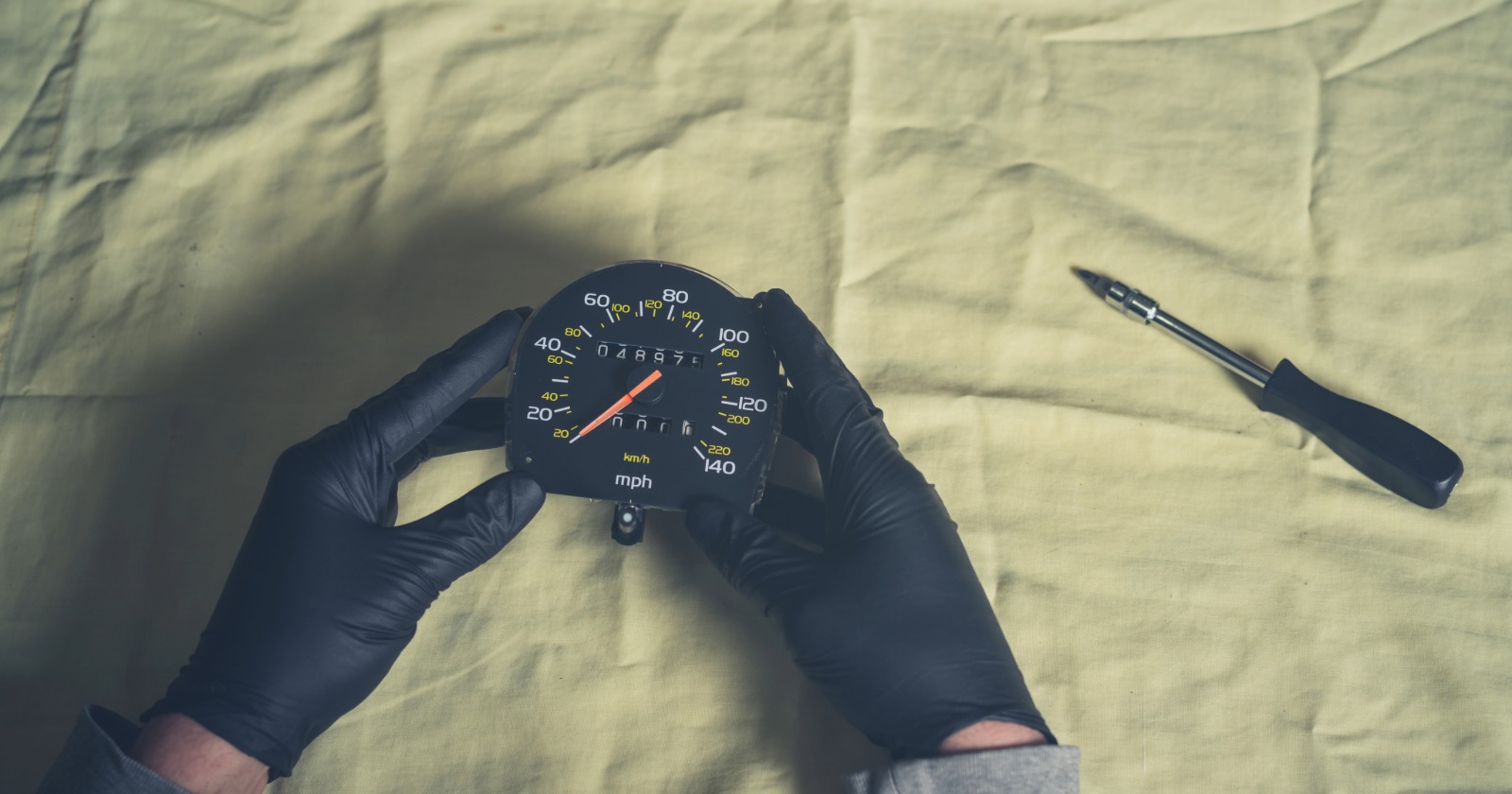
Odometer fraud is the illegal practice of rolling back or altering a vehicle's mileage reading so the car looks less used than it really is. It did not disappear when odometers went digital. According to the National Highway Traffic Safety Administration (NHTSA), odometer fraud costs American car buyers over one billion dollars a year, and every rolled-back mile is money out of a buyer's pocket in inflated price and hidden wear. Catching it before you pay is far easier than fighting it afterward.
How Rollback Actually Happens
On older vehicles with a mechanical odometer, a seller could physically spin the numbers back with a drill or by pulling and resetting the gauge. Digital dashboards did not end the problem, they changed the tools. Cheap electronic devices sold as mileage programmers or correction tools plug into a car's diagnostic port and rewrite the stored mileage in the instrument cluster. A dishonest seller can drop tens of thousands of miles in minutes, and the tampered number looks perfectly clean on the dash.
The other common route is the title swap or paperwork trick, where a vehicle is retitled in a state or process that lets the recorded mileage restart, hiding the true history behind a fresh-looking document. Fraud rings sometimes move cars through several states in a short window precisely to break the mileage trail before selling the car to an unsuspecting buyer at a healthy markup. High-mileage lease returns and fleet vehicles are favorite targets, because a big rollback on a car that has genuinely been driven hard produces the largest illegal profit.
The Wear-vs-Miles Test
The most reliable low-tech check is whether the wear on the car matches the number on the dash. A car showing 30,000 miles should look and feel like a car with 30,000 miles. Look at the parts a driver touches thousands of times. Worn or shiny pedal pads, a smooth-worn steering wheel, a sagging driver's seat bolster, and a polished gear shifter all point to far more use than a low reading suggests.
Check the tires next. If a car claims low miles but wears its second or third set of tires, the math does not add up. Look at brake wear, the condition of the carpet under the mats, and stone chips and paint wear on the front end. Any single sign can be innocent, but several together are a warning.
Service Records and Inspection Stickers
Paper trails are hard to fake completely. Oil-change stickers, dealer service invoices, state inspection certificates, and repair receipts usually record the mileage at the time of service. Line them up in date order. Mileage should climb steadily. A reading that jumps up and then drops back down on a later document is a clear sign the odometer was altered somewhere in between.
Ask the seller for the maintenance history. A seller who has nothing and cannot explain the gaps deserves more scrutiny, not less.
Read the Data With a Scan Tool
Modern cars store mileage in more than one place. The number on the dash comes from the instrument cluster, but the same figure is often written into other control modules such as the engine computer, the transmission controller, or a keyless-entry module. A rollback tool usually rewrites the cluster, and a sloppy job leaves the other modules holding the true, higher number. A mechanic with a professional scan tool can read those modules and compare them. When the dash says one thing and a control module says another, you have caught the fraud in the car's own data.
This is one more reason to pay for an independent pre-purchase inspection. A trusted mechanic can run the scan, check the wear, and confirm the mileage story hangs together before you hand over a dollar.
The Odometer Disclosure and the Title
Federal law requires the seller to certify the mileage at the time of transfer, and for most vehicles that certification appears on the title or on a separate odometer disclosure statement. Compare the mileage written on that disclosure to what the dash shows now and to what past titles recorded. A title that reads Not Actual Mileage or Exceeds Mechanical Limits is telling you directly that the number cannot be trusted. Do not skip past that brand because the car looks nice. Signing a false odometer disclosure is itself a federal offense, so a seller who knowingly certifies a rolled-back number is committing a separate crime on top of the tampering, and that signed statement becomes evidence if the sale is ever challenged.
Pull a Vehicle History Report
A history report ties mileage to specific dates from title transfers, inspections, and service events. The National Motor Vehicle Title Information System (NMVTIS), run by the U.S. Department of Justice, provides title, brand, and odometer data through its approved report providers, and it is the system states report titles into. Commercial reports from providers such as Carfax and AutoCheck add their own service and auction records. Read the mileage timeline. A single entry that shows the miles dropping is the smoking gun.
No report is perfect, because a history is only as good as the events reported into it. A car with few recorded events can still hide a rollback that simply was never reported. Use the report alongside the physical inspection, not instead of it, and treat a thin history as a reason to dig deeper rather than a clean bill of health.
What to Do If You Suspect Fraud
If the signs point to a rollback, walk away from the deal. No price is a bargain on a car whose history is a lie. If you have already bought the car and then discover the fraud, odometer tampering is a federal crime and a violation of state consumer law. Report it to NHTSA and to your state attorney general or motor vehicle agency, and keep every document. Save the listing, the vehicle bill of sale, the odometer disclosure, and the history report, because that paper trail is what turns a suspicion into a case you can actually pursue.
Sources
Frequently Asked Questions
Can digital odometers be rolled back?
Yes. Going digital did not stop the fraud. Inexpensive electronic tools plug into a car's diagnostic port and rewrite the mileage stored in the instrument cluster, so a tampered digital reading can look completely clean on the dash.
What is the single best sign of odometer fraud?
A mismatch between wear and the reading. A car showing low miles that has worn pedals, a polished steering wheel, a sagging seat, and multiple sets of tires has likely been driven far more than the dash claims. Back that up with a service-record and title-history check.
Where can I verify a car's real mileage history?
Pull a vehicle history report. The National Motor Vehicle Title Information System (NMVTIS) supplies title, brand, and odometer data through approved providers, and commercial reports from Carfax or AutoCheck add service and auction records. Compare the mileage timeline against the dash and the odometer disclosure.
Jill Stradley writes about private sales, title transfers, and the paperwork that trips people up when buying or selling cars, boats, and everything in between. She got interested in the topic after a used car sale gone wrong taught her more about DMV requirements than she ever wanted to know. Now she breaks down what each state actually requires so other people don't have to learn the hard way.
View all posts →Create Your Bill of Sale
Generate a state-specific, professionally formatted bill of sale in minutes.
Get Started - $5