
Bill of Sale for an ATV, UTV, or Dirt Bike: What Off-Road Vehicles Need

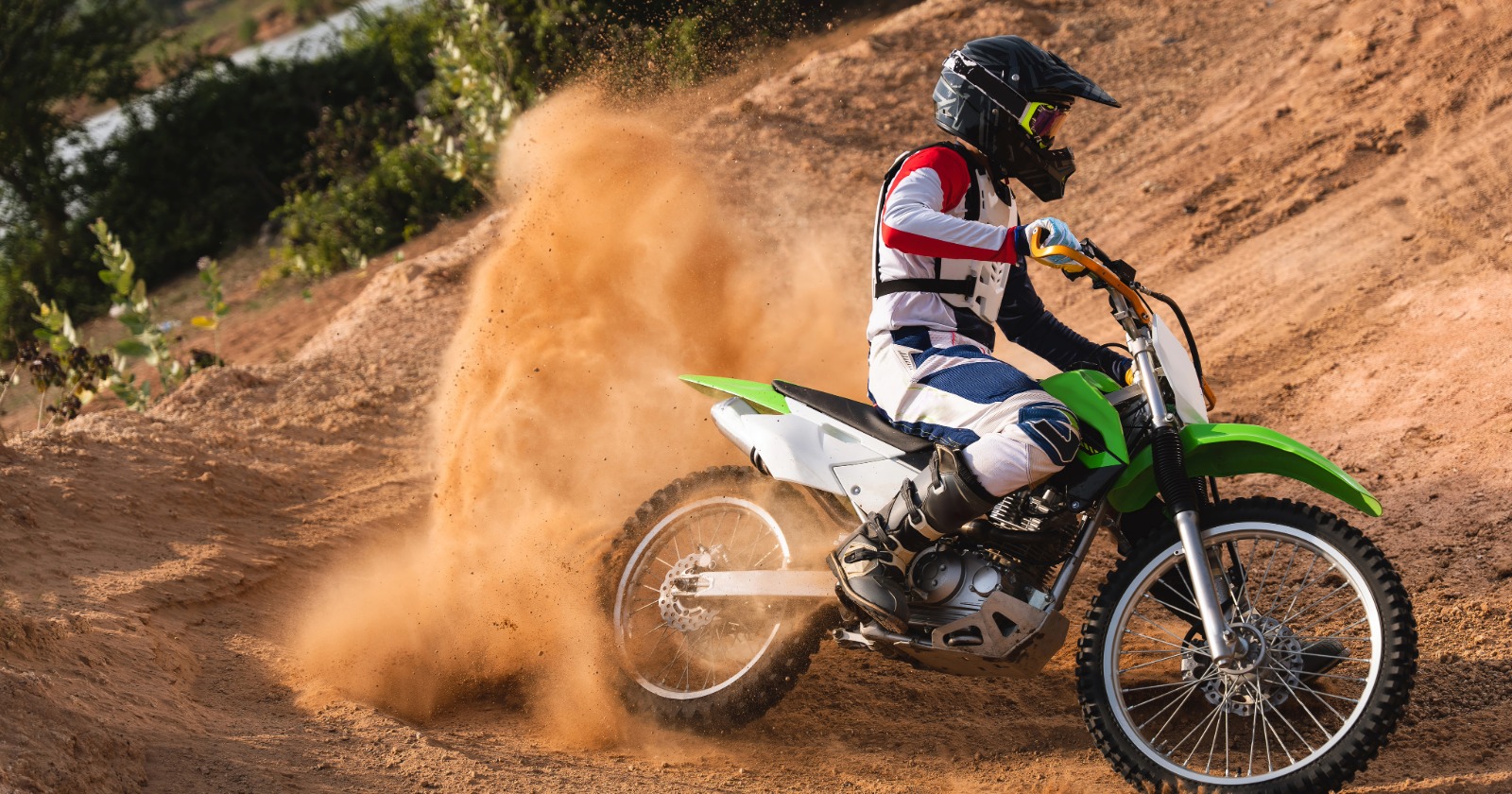
An off-highway vehicle (OHV) such as an ATV, a side-by-side UTV, or a dirt bike sits in an awkward spot in the paperwork world. It is a motorized machine with an engine and a serial number, but because it is not built to drive on public roads, many states do not treat it like a car. That means the way you document a sale changes depending on where you live, and the bill of sale often carries more weight than it would for a street vehicle.
Titled in Some States, Only Registered in Others
There is no single national rule for off-road vehicles. Some states issue a title for an ATV or UTV the same way they title a car, and that title is the primary proof of ownership. Other states do not title OHVs at all and instead only register them, issuing a decal or sticker rather than a title document. A number of states fall in between, titling newer units above a certain model year while leaving older machines untitled.
Check your state OHV or motor vehicle agency before you buy or sell so you know which document is the real proof of ownership. Where no title exists, the bill of sale plus the registration is often the only ownership trail there is, which is exactly why the bill of sale needs to be done right.
The OHV Decal or Registration Sticker
Many states require an OHV decal or off-road registration sticker before you can legally ride on public land, state trails, or dunes. This sticker is not proof of ownership. It is a permit to ride, usually renewed on a cycle and tied to the current owner. When you sell, tell the buyer whether a current decal is on the machine and whether it transfers or whether the buyer must register the unit in their own name. Do not let a buyer assume a valid trail sticker means the ownership paperwork is settled, because those are two separate things.
VIN, Serial Number, and Engine Number
Every ATV, UTV, and dirt bike carries an identification number stamped into the frame, often called a VIN on newer machines or simply a frame serial number on older or imported ones. Many also carry a separate engine number stamped on the crankcase. Record every number that is stamped on the machine. On a used dirt bike in particular, the frame number is the identifier that a state, an insurer, or a buyer's lender will check, and a matching engine number helps prove the machine has not been rebuilt from mismatched stolen parts.
Before money changes hands, physically read the stamped numbers and confirm they match the numbers on the title or registration. A filed-off or altered serial number is a stolen-vehicle red flag, and no bill of sale can fix that.
Check for a Lien on a Financed Machine
Newer ATVs and side-by-sides are often bought on credit through a dealer or a lender, and that loan can leave a security interest attached to the machine even after it changes hands privately. In states that title OHVs, a lienholder is usually printed on the title, and the seller cannot pass clean ownership until the loan is paid and the lien released. In states that do not title them, a lien is harder to see, so ask the seller directly whether anything is still owed and get the answer in writing. Buying a machine with an unpaid loan on it can leave you fighting a repossession you did nothing to cause.
Street-Legal vs. Off-Road-Only
Whether a unit is street-legal or off-road-only matters more for how the buyer can use and register it than for the sale itself. A pure off-road machine cannot be plated for road use in most states. Some UTVs and dual-sport bikes can be made street-legal where state law allows, which usually means added equipment like lights, mirrors, a horn, and a road-legal title or plate. Say clearly in the listing and on the bill of sale which category the machine falls into, so a buyer who wants a road-legal side-by-side is not surprised to learn the unit can only run on trails.
What to Put on the Bill of Sale
Whether your state titles OHVs or not, a written bill of sale protects both sides. Depending on how your state classifies the machine, it may transfer as a titled vehicle or as untitled personal property. Either way the document should include the buyer and seller names and addresses, the sale date, the sale price, and a full description: year, make, model, type (ATV, UTV, or dirt bike), the VIN or frame serial number, and the engine number where one is stamped.
Add an as-is statement unless you are giving a written warranty, and list any known issues honestly. If your state titles the machine, the title transfer is still the main event and the bill of sale supports it. If your state does not title it, the bill of sale is the ownership record, so keep it clean and complete.
Note whether any current registration or OHV decal transfers with the machine, and hand over the owner's manual and spare keys at the sale. If the buyer is picking the machine up from a trail or a remote property, write the location and date of delivery on the document too, so there is no argument later about when responsibility passed from you to the buyer. A dated delivery note also settles who is liable if the machine is damaged or causes an injury on the ride home, which is a real question with an unregistered off-road vehicle.
Notarization and Keeping Copies
Most off-road sales do not require a notary, but a few states or higher-value UTV deals ask for one, and a notarized signature adds a layer of proof when there is no title backing the sale. If you are unsure, run your state through a notarization checker before you close. Both parties should sign, and each keeps a copy along with any title, registration, or transferable decal.
Sources
Frequently Asked Questions
Do all states title ATVs and dirt bikes?
No. Some states issue titles for off-highway vehicles, some only register them and issue a decal, and others title newer units while leaving older ones untitled. Check your state OHV or motor vehicle agency to learn which document is the real proof of ownership where you live.
Is an OHV decal the same as proof of ownership?
No. An OHV decal or trail sticker is a permit to ride on public land, tied to the current owner and renewed on a cycle. It does not prove who owns the machine. Ownership rests with the title where one exists, or with the bill of sale and registration where no title is issued.
What identification numbers go on the bill of sale?
List the VIN or frame serial number stamped into the machine, plus the separate engine number if one is stamped on the crankcase. Read the numbers off the machine yourself and confirm they match the title or registration before you pay.
Along with his duties at YourLeaseAgreement, Paul Oak is a writer covering private sale transactions, vehicle transfers, and consumer legal documents. He breaks down state-by-state requirements into plain English so buyers and sellers can navigate the paperwork without hiring a lawyer. When he's not researching DMV forms and title transfer deadlines, he's probably arguing about which state has the worst bureaucracy.
View all posts →Create Your Bill of Sale
Generate a state-specific, professionally formatted bill of sale in minutes.
Get Started - $5