
Selling a boat that still has a loan on it
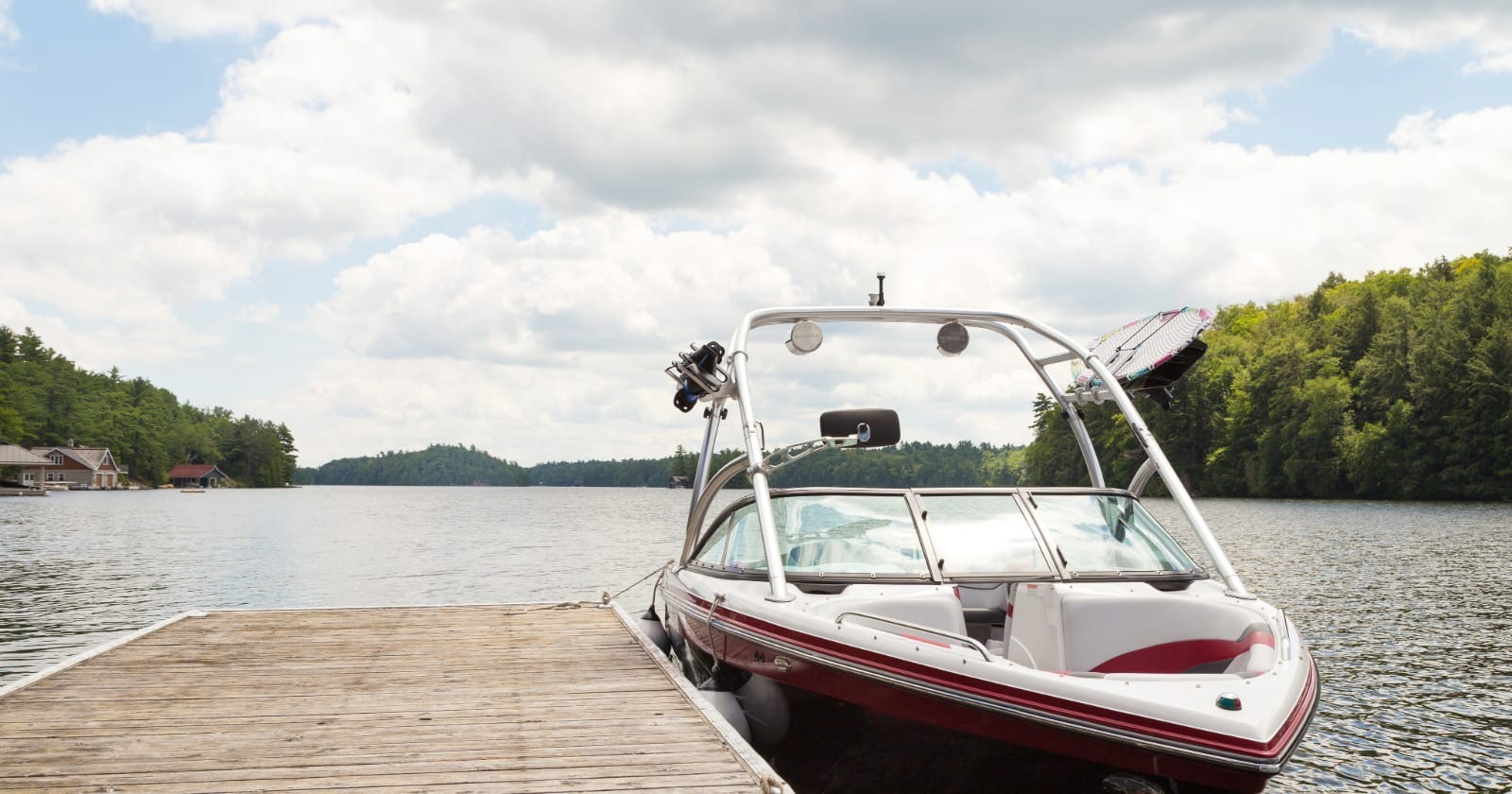
Plenty of boats are sold with a loan still on them. Owners upgrade, move inland, or decide the payment isn't worth three weekends a summer. The sale works fine. What trips people up is that a boat loan can be recorded in one of three different places, and each one gets cleared a different way.
Find out where your lien lives
Before you list the boat, figure out which of these describes it. Your loan documents will say, and the lender can confirm.
- A state-titled boat. Most states title boats above a certain length or with a motor. The lender is listed on the title as lienholder, and in many states the lender physically holds the title until payoff.
- A federally documented vessel. Larger boats are often documented with the U.S. Coast Guard instead of titled by a state. A loan on a documented vessel is usually a preferred ship mortgage, recorded with the National Vessel Documentation Center. The release has to be filed there too.
- A registered but untitled boat. In states that don't title boats, a lender may have filed a UCC financing statement with the secretary of state. That filing has to be terminated after payoff, even though no title exists.
The trailer and, in some states, an outboard motor can carry separate titles or registrations. If the loan covered the whole package, confirm the lien comes off all of them. See boat title versus registration and selling a boat with its trailer.
Get the payoff number first
Call the lender and ask for a written payoff quote good through a specific date. Interest usually runs daily, so the number changes. Then compare it to what the boat will realistically sell for. That comparison decides everything else:
- You have equity. The buyer's money pays off the loan and you keep the difference.
- You roughly break even. Same process, just less left over.
- You're underwater. The sale price won't cover the payoff, so you bring the difference yourself. No buyer should take a boat whose lien can't be released.
Closing the sale
With a buyer you don't know, never hand over the boat or a signed title in exchange for a promise to pay the lender. Use one of these structures instead:
- Close at the lender. If your lender has a local branch, meet there. The buyer pays the lender the payoff amount, pays you the rest, and the lender starts the lien release on the spot.
- Use escrow. If the lender is online or out of state, a boat escrow or closing service holds the buyer's funds, pays the lender, and releases your share once the payoff is confirmed. This is also common when a surveyor or broker is involved.
- Pay it off first. If you have the cash, pay the loan off yourself, wait for the clear title or release, then sell like any unfinanced boat. It's slower but the simplest for the buyer.
Whatever the structure, payment has to be real before the boat leaves. Cashier's checks are forged often enough to verify with the issuing bank. See getting paid safely in a private sale for the same rules applied to cars.
The paperwork
The bill of sale should list the boat by HIN, the motor and trailer by serial or VIN if included, the price, and a line stating that the sale is subject to payoff of the existing loan by a named lender, with the lien release to follow. Both of you sign and keep copies. When the release comes through, the title (or the documentation record) transfers to the buyer. If the title comes back from the lender damaged or missing, the state can issue a duplicate; see replacing a lost or damaged title. For where each signature goes on a state boat title, see where to sign a boat title.
Timing and the gap
Lien releases take anywhere from a few days to several weeks. Coast Guard filings take the longest. During the gap the buyer has paid and has the boat but doesn't yet have clear title. That's normal, but it needs to be written down. Give the buyer a copy of the payoff confirmation and an expected timeline, and forward the release as soon as it arrives. For the car version of this whole process, which follows the same logic with fewer moving parts, see selling a vehicle with a loan. Buyers can read the other side in buying a used boat from a private seller.