
Selling a Boat With a Trailer
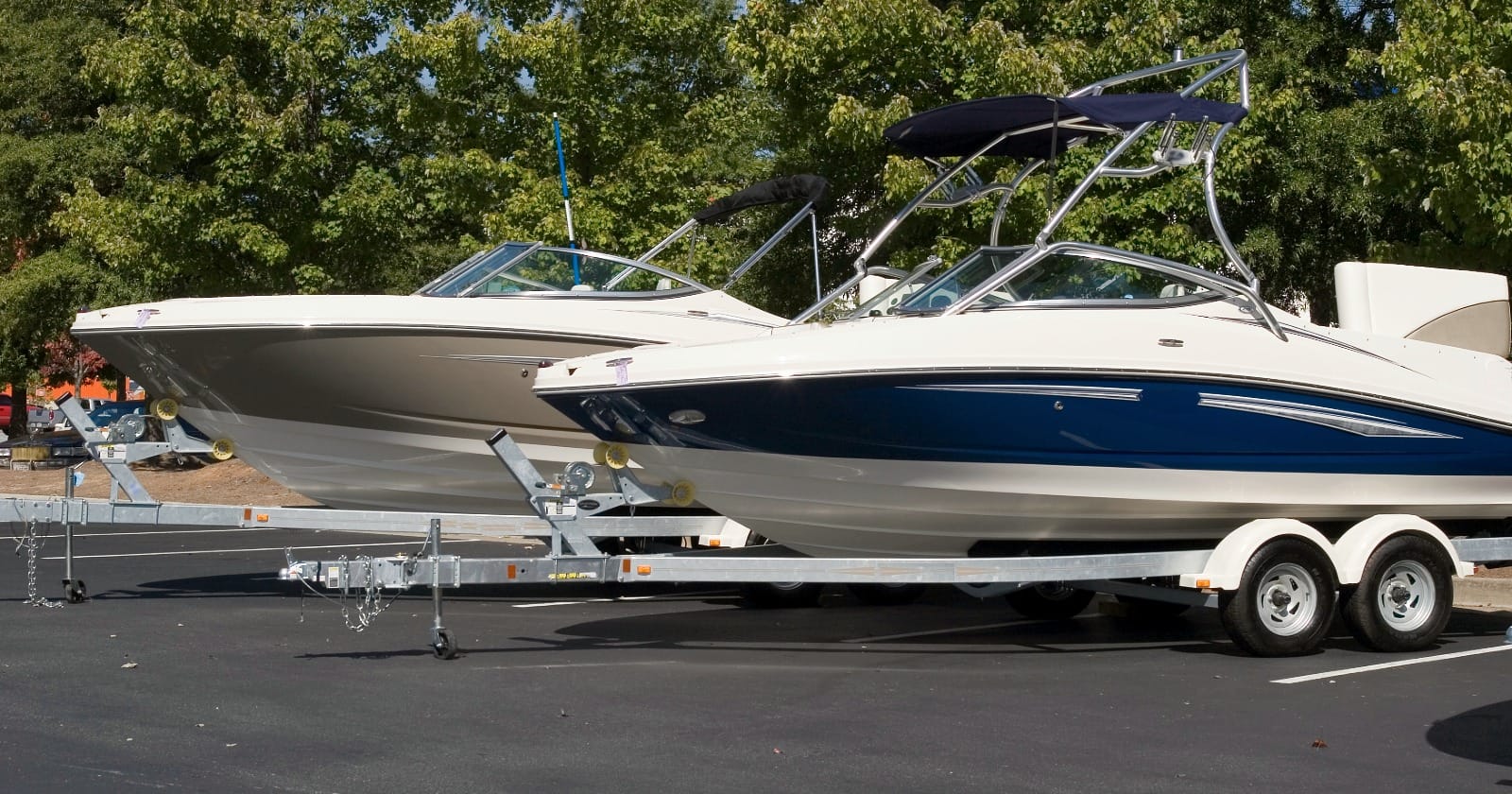
A boat sale almost always includes a trailer, and sometimes a separate outboard motor. These are three different things to your state government, even if the buyer is writing one check. Here is how to paper the sale so registration goes smoothly for the buyer and you are not on the hook for property tax next year.
Why two bills of sale beats one
Boats are titled by your state boating or natural resources agency. Trailers are titled by the DMV. They use different forms, different fees, and sometimes different tax rates. A single combined bill of sale forces the buyer to copy and resubmit the same document at two different counters, and clerks at each may ask for a "clean" document that names only their item.
Two bills of sale, one for the boat (and motor if titled separately) and one for the trailer, cuts that friction. Each shows the right item, the right serial number, the right price.
How to split the price
You agreed on a total price with the buyer. Splitting it across boat and trailer is a five-minute exercise:
- Look up the trailer's fair market value (similar age, axle count, weight rating)
- Subtract that from the total to get the boat-and-motor price
- If the motor is titled separately in your state, allocate again between hull and motor using NADA Marine
Use round numbers and reasonable values. The buyer's sales tax bill is calculated from each bill of sale. An honest allocation rarely raises eyebrows. A trailer worth $500 listed at $5,000 to dodge boat tax does.
What goes on the boat bill of sale
- Hull Identification Number (HIN) - 12 characters, usually on the transom
- Make, model, year, length
- Hull material and propulsion type
- State registration number (the "bow numbers") if registered
- Outboard motor make, model, year, and serial number (if applicable)
- Sale price (allocated to the boat and motor only)
- Buyer and seller signatures
What goes on the trailer bill of sale
- Vehicle Identification Number (VIN) - on the trailer tongue or frame
- Make, model, year
- Number of axles, GVWR (gross vehicle weight rating)
- License plate number (if registered)
- Sale price (allocated to the trailer only)
- Buyer and seller signatures
States that title outboard motors separately
In most states, the outboard motor is treated as part of the boat and titles with the hull. In a handful of states the motor has its own title:
- Alabama
- Mississippi
- Missouri
- North Carolina
- Oklahoma
In these states, list the motor on a separate line of the bill of sale with its serial number, and the buyer will need to title it as a separate item. If the motor is being sold without the boat (you sold the hull last year, now you are selling the motor), it always takes a separate bill of sale.
Trailer titling thresholds by state
Many states do not title boat trailers below a weight threshold. Common patterns:
- Title required for any trailer (most states)
- Title required only above 3,000 lbs GVWR (some southern states)
- No title at all, registration card only (a handful of states for small utility trailers)
Even when no title is required, the buyer needs a bill of sale to register the trailer, prove ownership at a traffic stop, or sell it again later. Always provide one.
Property tax and the seller
Several states (Virginia, South Carolina, North Carolina, and others) tax boats annually as personal property. The tax assessment date is usually January 1. If you sell after January 1, you may still owe the full year's tax unless your state allows proration or you remove the boat from the assessor's records promptly. Notify your county assessor with a copy of the bill of sale so they can update the records and not bill you next year.
Lien releases and outstanding loans
If your boat is financed, the lender holds the title. You cannot transfer it until the loan is paid. Pay it off, get the lien release, then sell. If the buyer is paying the loan amount as part of the purchase, set up a simultaneous closing: buyer pays the lender directly, lender releases the title, you sign the bill of sale and the title together.