
The odometer disclosure statement: when it is required and how to fill it out
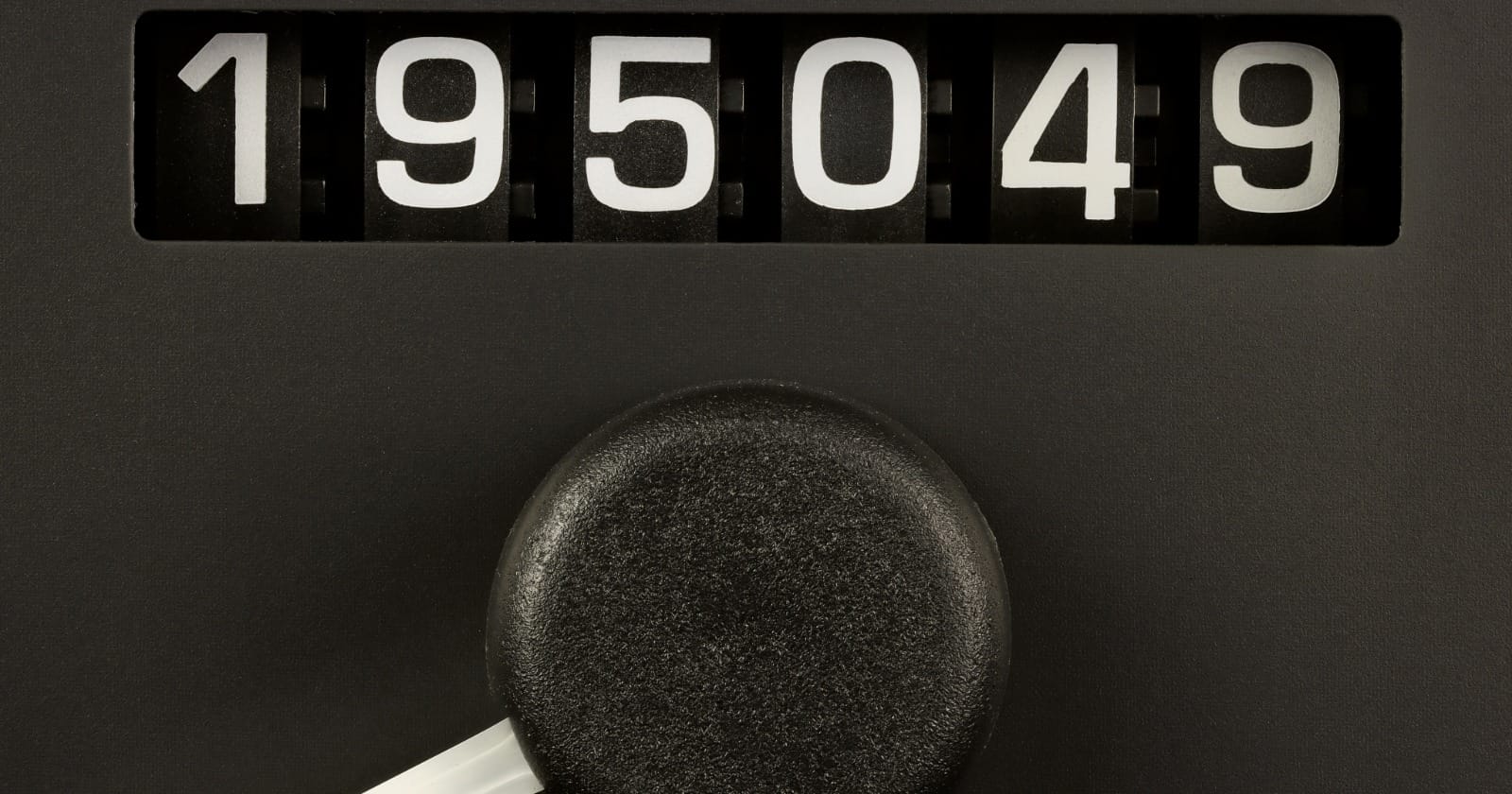
Most people meet the odometer disclosure as a small box on the back of the title they're about to sign. It gets filled in quickly and wrong more often than any other part of the transfer. It's also the one part of a private car sale that federal law requires in writing, with real penalties when the number is false.
What it is
An odometer disclosure statement is the seller's written certification of the mileage at the moment of transfer. It comes from the federal odometer law, enforced by the National Highway Traffic Safety Administration, and it exists to stop mileage fraud by putting a signed number on the record every time a car changes hands. It records four things: the odometer reading, the date, the seller's certification of whether that reading is accurate, and the buyer's acknowledgment.
Which vehicles need one
A federal rule that took effect January 1, 2021 extended the old 10-year exemption. The current rules:
- Model year 2011 and newer: a disclosure is required on every transfer until the vehicle is 20 years old.
- Model year 2010 and older: exempt.
- Heavy vehicles with a gross vehicle weight rating over 16,000 pounds: exempt.
- Vehicles that aren't self-propelled, such as trailers: exempt.
States can require more than the federal minimum, and some ask for mileage on every transfer regardless of age. Record it on the bill of sale either way. It costs nothing and settles arguments later.
The three boxes
Next to the reading you'll certify one of three statements:
- Actual mileage. To the best of your knowledge the reading is accurate. This is the normal box.
- Exceeds mechanical limits. The odometer has rolled past its maximum and started over, which happens on older five-digit odometers.
- Not actual mileage. The reading is known to be wrong, for example after an odometer replacement without a documented reading, or a known rollback. This box brands the title and permanently lowers the car's value.
Check the box that's true, not the one that sells the car. If you're buying and the number doesn't square with the history report, read what to do when the odometer does not match the history report before you sign.
Filling it out
- Read the odometer on the day of the sale. Write the number without tenths.
- Check one box. Only one.
- Seller prints and signs, exactly as the name appears on the title.
- Buyer prints and signs to acknowledge receiving the statement.
- Date it.
- Don't use correction fluid or write over a mistake. Most agencies reject altered odometer entries, and a title with a corrected reading can need an affidavit or a duplicate. See what to do when the title is signed in the wrong spot.
If the title has no odometer section, or the section is already used, the state provides a separate secure odometer disclosure form. Electronic titles in some states handle the disclosure through an online transfer instead of paper.
What a false statement costs
Knowingly giving a false mileage statement is a federal violation. A buyer who was defrauded can sue for three times their actual damages or $10,000, whichever is greater, plus attorney fees, and state penalties can stack on top. An honest clerical error is a different matter and can usually be fixed through the motor vehicle agency. The bill of sale should repeat the reading and the box you checked, so both of you have a matching record. See what to include in a bill of sale and how to transfer a car title.