
What a title transfer costs in every state

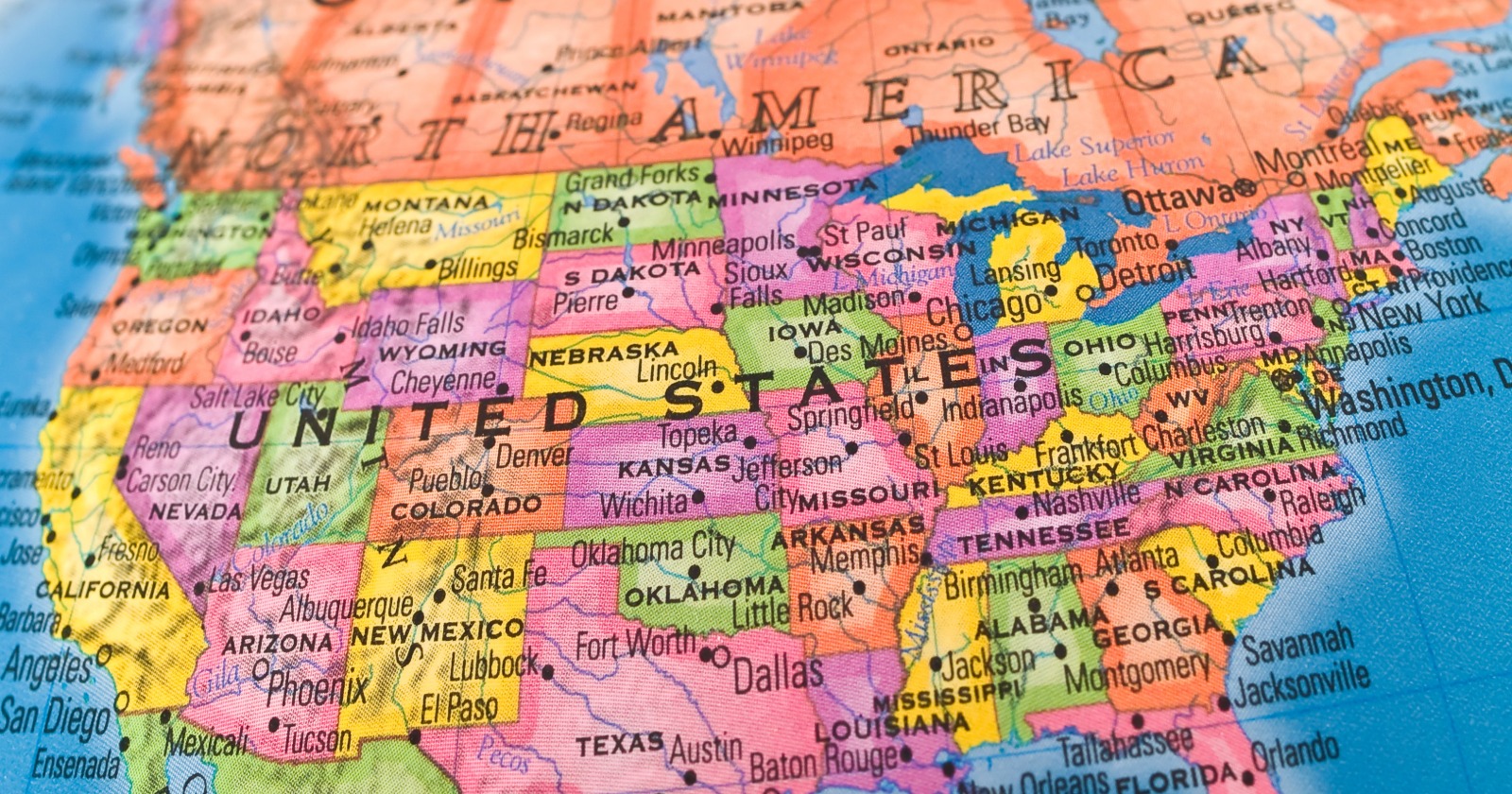
The title fee is the charge a state collects to print a new certificate of title in the buyer's name after a vehicle changes hands. It is the one fee that every private sale triggers, and it is also the one people worry about least once they see the number. In Arizona the state charges $4. In Wisconsin the statute now sets the first certificate of title at $207. Most states sit between $10 and $75. This piece ranks all of them, explains what the fee does and does not cover, and shows why it is a rounding error next to the sales or use tax on the same transaction.
What the title fee covers, and what it does not
A certificate of title is the state's record of who owns a vehicle. When you buy a used car from a private party, you hand the seller's signed title and a vehicle bill of sale to the titling agency, and the agency issues a fresh certificate with your name on it. The title fee pays for that document and the record update behind it. Nothing else.
Registration is a separate charge. It pays for the right to drive the vehicle on public roads for a set period, usually one year, and it is what puts the sticker on your plate. Plate fees are separate again, and some states add a plate transfer or new plate charge on top of registration. Sales or use tax is the big one: a percentage of the purchase price, or of book value in some states, collected at the same counter but under a different law. Lien recording fees apply only when a lender is on the title. Our vehicle sales tax calculator separates these line items by state so you can see the total before you go.
Who pays the title fee in a private sale
The buyer pays it, at the moment of transfer. The seller's job is to sign the title over, fill in the odometer disclosure, and hand over the bill of sale. The buyer then takes those papers to the titling agency, pays the title fee, pays any tax due, and pays registration if the vehicle will be driven. Sellers are not charged to sign a title away. The only time a seller pays a title fee is when the original certificate is lost and a duplicate has to be ordered before the sale can happen.
Timing matters more than the fee. Missouri, for example, requires the buyer to title within 30 days or face penalties, and several other states run similar clocks. Late penalties routinely exceed the base title fee.
The cheapest states to title a vehicle
Arizona is the outlier at the bottom. The Arizona Department of Transportation Motor Vehicle Division (ADOT MVD) lists a $4 title fee on its vehicle title page, and that figure has not moved in years. Registration and the annual Vehicle License Tax are collected separately, which is how the state keeps the title charge so low. New Mexico and North Dakota follow at $5 each in our dataset, then Utah at $6, Colorado at $7.20, Minnesota at $8.25, and Missouri at $8.50.
Kentucky and Mississippi charge $9. Arkansas, Hawaii, Kansas, Nebraska, and South Dakota charge $10. Oklahoma and Tennessee charge $11, Montana $12, and Idaho $14. That is 18 jurisdictions under $15, and in every one of them the title fee is smaller than a tank of gas.
The $15 to $35 middle of the pack
Nine states charge exactly $15: Alabama, Alaska, California, Indiana, Michigan, South Carolina, Virginia, West Virginia, and Wyoming. Georgia and Ohio charge $18. Ohio moved to $18 on January 1, 2026, under House Bill 96, and a county there can charge $23 if its commissioners approve the higher fee. Connecticut and New Hampshire charge $25. Nevada is $28.25 and Washington, D.C. is $30. Maine and Texas charge $33, though the Texas application fee is $28 in some counties and $33 in others. Iowa moved to $35 on January 1, 2025.
The expensive tier: $40 and up
Vermont charges $42 for most vehicles. New York is $50 in our dataset, with a note that legislation lowering the title application fee was scheduled for 2026, so confirm before you go. Rhode Island is $52.50, North Carolina $56, New Jersey $60 ($85 with a lien), Pennsylvania $67, Louisiana $68.50, and Massachusetts $75.
Florida's fee schedule from the Florida Department of Highway Safety and Motor Vehicles (FLHSMV) lists a $75.25 transfer fee, with a $2.50 charge if you want a paper title instead of an electronic one and a $2 lien recording fee where a lender is involved. Oregon is the only state that prices the title by fuel economy: the Oregon Driver and Motor Vehicle Services (Oregon DMV) charges $101 for a vehicle rated 0 to 19 MPG, $106 for 20 to 39 MPG, $116 for 40 MPG and up, and $192 for an all-electric vehicle.
The three most expensive states
Illinois charges $165 for a standard certificate of title. The figure is set in statute, 625 ILCS 5/3-821, and the same section sets a lower $95 rate for qualifying family transfers. Maryland charges $200 for a new or used title certificate, per the fee page of the Maryland Motor Vehicle Administration (MVA), which also lists $80 for a corrected title and $40 for a duplicate.
Wisconsin now tops the list. Section 342.14(1) of the Wisconsin Statutes reads: For filing an application for the first certificate of title, $207, by the owner of the vehicle. Older guides still quote $164.50, which was the previous rate. If you are titling a vehicle in Wisconsin, budget for the statutory figure.
Full ranking, lowest to highest
Arizona $4; New Mexico $5; North Dakota $5; Utah $6; Colorado $7.20; Minnesota $8.25; Missouri $8.50; Kentucky $9; Mississippi $9; Arkansas $10; Hawaii $10; Kansas $10; Nebraska $10; South Dakota $10; Oklahoma $11; Tennessee $11; Montana $12; Idaho $14; Alabama $15; Alaska $15; California $15; Indiana $15; Michigan $15; South Carolina $15; Virginia $15; West Virginia $15; Wyoming $15; Georgia $18; Ohio $18; Connecticut $25; New Hampshire $25; Nevada $28.25; Washington, D.C. $30; Maine $33; Texas $33; Iowa $35; Vermont $42; New York $50; Rhode Island $52.50; North Carolina $56; New Jersey $60; Pennsylvania $67; Louisiana $68.50; Massachusetts $75; Florida $75.25; Oregon $101 to $192; Illinois $165; Maryland $200; Wisconsin $207.
Two states do not fit a single number. Delaware folds titling into its document fee and registration structure, and Washington's title and service fees vary by transaction, so the state fee schedule is the only reliable answer there. Several states also add small county, clerk, or issuing-agent charges on top of the state figure.
Why the title fee is small next to the tax
Take a $15,000 private-party purchase. In Illinois the buyer owes the $165 title fee plus private party vehicle use tax filed on Form RUT-50 within 30 days. In New Mexico the title fee is $5 but the motor vehicle excise tax is 4 percent of the price paid, which is $600 on that car, and the state adds a 50 percent penalty for late titling. In Maryland the $200 title fee sits beside a 6.5 percent excise tax, which is $975. Even in the most expensive title state the certificate is a fraction of the tax bill.
So when you are comparing what a transfer will cost, start with the tax rate and the tax basis, then check whether a trade-in credit or a family exemption applies. The title fee is the last thing to look up, and in 40 states it is under $75.
Sources
- Ohio Revised Code 4505.09, certificate of title fees
- Arizona MVD, Vehicle Title
- Illinois Compiled Statutes, 625 ILCS 5/3-821
- Illinois Department of Revenue, Private Party Vehicle Use Tax
- Maryland MVA, Fees and Payment Options
- Maryland MVA, Excise Tax
- Wisconsin Statutes, s. 342.14
- Oregon DMV, Vehicle Fees
- Florida FLHSMV, Fees
- New Mexico Taxation and Revenue, Motor Vehicle Excise Tax
- North Dakota DOT, Motor Vehicle
- Missouri DOR, Buying a Vehicle
- Ohio BMV, Titles
- Iowa Department of Revenue, Tax and Fee Descriptions
- Texas Comptroller, Motor Vehicle Sales and Use Tax
- Delaware DMV, Titles
Frequently Asked Questions
Does the seller pay any part of the title fee?
No. The buyer pays the title fee when applying for a new certificate in the buyer's name. The seller only pays if a duplicate title must be ordered before the sale because the original was lost.
Is the title fee the same as the registration fee?
No. The title fee pays for the ownership certificate. Registration pays for the right to drive the vehicle on public roads for a set period and is billed separately, often on the same visit.
Why do some states charge $4 and others charge $200?
Each state sets the fee by statute or agency rule, and some states recover their titling costs through registration or an annual vehicle tax instead. A low title fee usually means a heavier charge somewhere else on the same bill.
Along with his duties at YourLeaseAgreement, Paul Oak is a writer covering private sale transactions, vehicle transfers, and consumer legal documents. He breaks down state-by-state requirements into plain English so buyers and sellers can navigate the paperwork without hiring a lawyer. When he's not researching DMV forms and title transfer deadlines, he's probably arguing about which state has the worst bureaucracy.
View all posts →Create Your Bill of Sale
Generate a state-specific, professionally formatted bill of sale in minutes.
Get Started - $5