
Florida firearm bill of sale: what the state requires

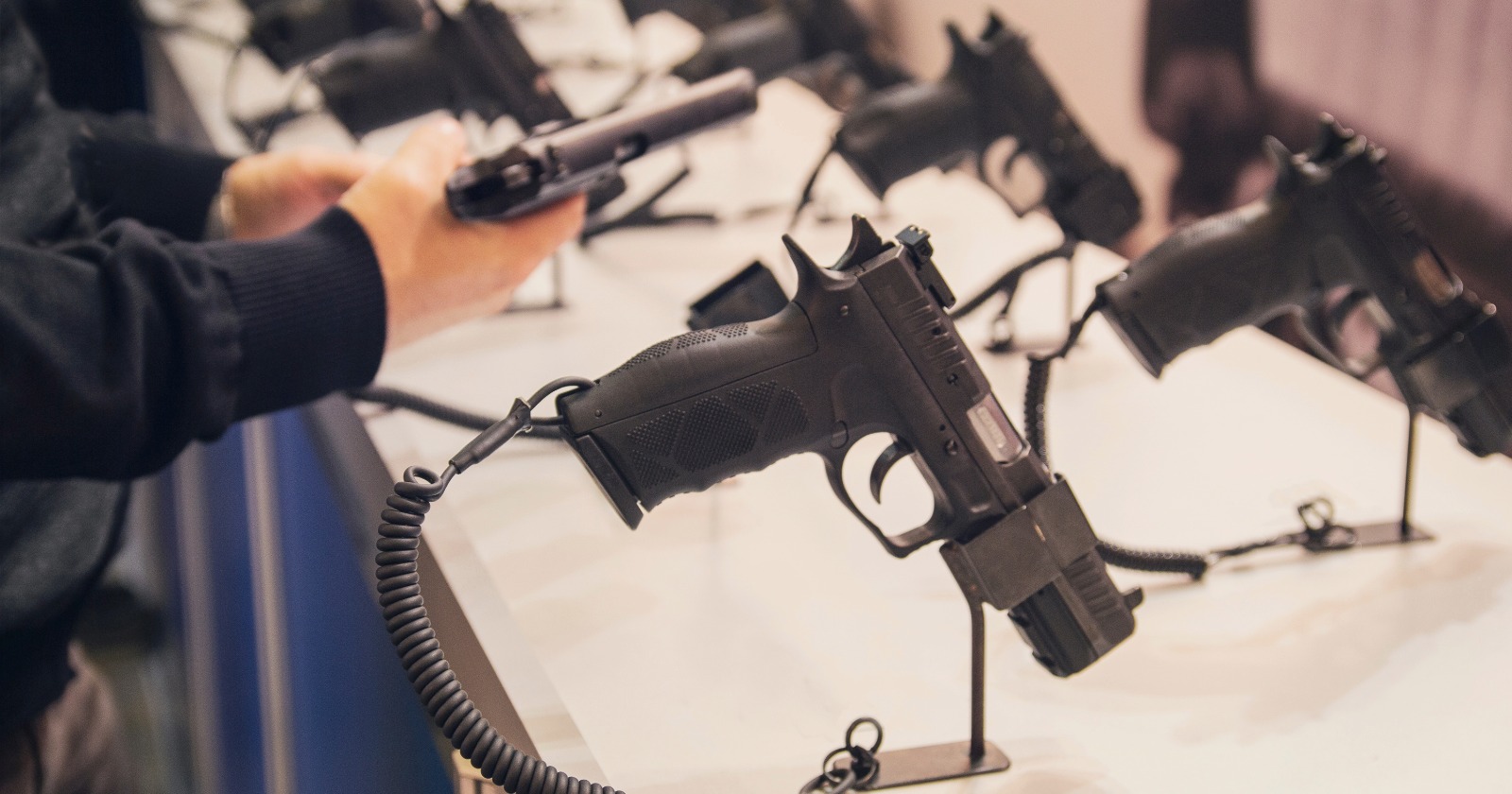
Florida does not require a bill of sale for a private gun sale between two state residents. The state's background-check and waiting-period statutes are written for licensed dealers, so a private seller has no state form to file. A signed firearm bill of sale is still the simplest proof of who owned the gun and when ownership changed.
Does Florida require a bill of sale for a gun?
No. Florida law does not call for a written bill of sale when one Florida resident sells a gun to another. Section 790.065 of the Florida Statutes sets the background-check rule, and it opens with the words “A licensed importer, licensed manufacturer, or licensed dealer may not sell or deliver from her or his inventory” until the check is done. The duty falls on licensees. A private owner selling from a personal collection is not named in that section.
A bill of sale is voluntary, but it does real work. If the gun later turns up at a crime scene, is reported stolen, or becomes the center of a payment dispute, the seller can show the date the gun left their hands and the name of the person who took it. The buyer gets proof of a lawful purchase and a written record of the serial number.
Does Florida have a waiting period for private gun sales?
Florida's statewide waiting period is in section 790.0655, which reads: “A mandatory waiting period is imposed between the purchase and delivery of a firearm.” The period lasts 3 days, excluding weekends and legal holidays, or until the records checks under section 790.065 are complete, whichever comes later.
The same statute defines a purchase as the transfer of money or other valuable consideration “to the retailer,” and it defines a retailer as a licensed importer, licensed manufacturer, or licensed dealer engaged in the business of making firearm sales at retail. A sale between two private people falls outside those definitions. Even for retail buyers, the statute exempts holders of a concealed weapons or concealed firearms license, trade-ins of another firearm, and certain rifle or shotgun purchases by people with hunter safety certification or a valid hunting license.
Can a Florida county require a background check on a private sale?
Yes, in some settings. Article VIII, Section 5(b) of the Florida Constitution gives each county a local option: “Each county shall have the authority to require a criminal history records check and a 3 to 5-day waiting period, excluding weekends and legal holidays, in connection with the sale of any firearm occurring within such county.”
The same section limits where that power reaches. A sale under this provision means a transfer of money or other valuable consideration for a firearm “when any part of the transaction is conducted on property to which the public has the right of access.” Holders of a concealed weapons permit are not subject to the county rule when purchasing a firearm.
In practice, a private sale arranged at a gun show, in a public parking lot, or at another place open to the public can fall under a county ordinance. A sale completed entirely inside a private home usually does not. Some counties have adopted ordinances under this authority, and their terms differ. Before any sale on public property, read the county code or call the county clerk to learn whether a check and a waiting period apply.
What should a Florida firearm bill of sale include?
A useful Florida gun bill of sale records 7 details: the make, the model, the caliber or gauge, the serial number, the full names and addresses of both parties, the date of sale, and the price. Both the buyer and the seller should sign it, and each should keep an identical copy.
Add a line in which the buyer states that they are a Florida resident and are not prohibited from possessing a firearm under state or federal law. Many sellers also write down the buyer's driver license or concealed weapons license number. That number helps show the seller had reason to believe the buyer lived in Florida, which matters under the federal rule covered below.
Copy the serial number exactly as it is stamped on the frame or receiver. It is the one detail that ties a paper record to a specific gun, and a single wrong digit weakens the whole document.
Can a buyer under 21 purchase a gun in Florida?
Section 790.065(13) of the Florida Statutes states: “A person younger than 21 years of age may not purchase a firearm.” The next sentence bars licensed importers, manufacturers, and dealers from making or facilitating a sale to anyone under 21. A private seller should check the buyer's age on a photo ID and write the buyer's date of birth on the bill of sale.
Can you sell a gun privately to someone from another state?
Not directly. Federal rules send an interstate private transfer through a licensed dealer. The Bureau of Alcohol, Tobacco, Firearms and Explosives (ATF) regulation at 27 CFR 478.30 says: “No nonlicensee shall transfer, sell, trade, give, transport, or deliver any firearm to any other nonlicensee, who the transferor knows or has reasonable cause to believe does not reside in” the seller's state. The regulation lists limited exceptions.
The buyer faces a matching rule. Under 27 CFR 478.29, a person who is not a licensee may not transport into or receive in their home state a firearm bought outside that state, again with limited exceptions. The usual route is for the seller to deliver or ship the gun to a federal firearms licensee in the buyer's state. That dealer runs the background check and completes the transfer under the buyer's state law.
How long should you keep a firearm bill of sale?
No Florida statute sets a retention period for a private bill of sale. Keep your copy for as long as the gun could be traced back to you, which in practice means for good. Store it with your other important records so you can find it if a question about ownership comes up years later. If you sell several guns over time, keep the bills of sale together and label each one with the serial number so the right record is easy to pull.
Sources
Frequently Asked Questions
Is a bill of sale required for a private gun sale in Florida?
No. Florida's background-check and waiting-period statutes, sections 790.065 and 790.0655, apply to licensed dealers. A private sale between two Florida residents needs no state form, though a signed bill of sale gives both parties proof of the transfer.
Do private gun sales in Florida need a background check?
Usually not under state law. Article VIII, Section 5(b) of the Florida Constitution lets each county require a records check and a 3 to 5-day waiting period for gun sales conducted partly on property open to the public.
Can a Florida resident sell a gun to someone who lives in Georgia?
Not directly. Federal regulation 27 CFR 478.30 bars an unlicensed person from transferring a firearm to an unlicensed resident of another state. The gun must go through a federal firearms licensee in the buyer's home state.
Along with his duties at YourLeaseAgreement, Paul Oak is a writer covering private sale transactions, vehicle transfers, and consumer legal documents. He breaks down state-by-state requirements into plain English so buyers and sellers can navigate the paperwork without hiring a lawyer. When he's not researching DMV forms and title transfer deadlines, he's probably arguing about which state has the worst bureaucracy.
View all posts →Create Your Bill of Sale
Generate a state-specific, professionally formatted bill of sale in minutes.
Get Started - $5