
How to Transfer Your License Plates to a Car You Just Bought

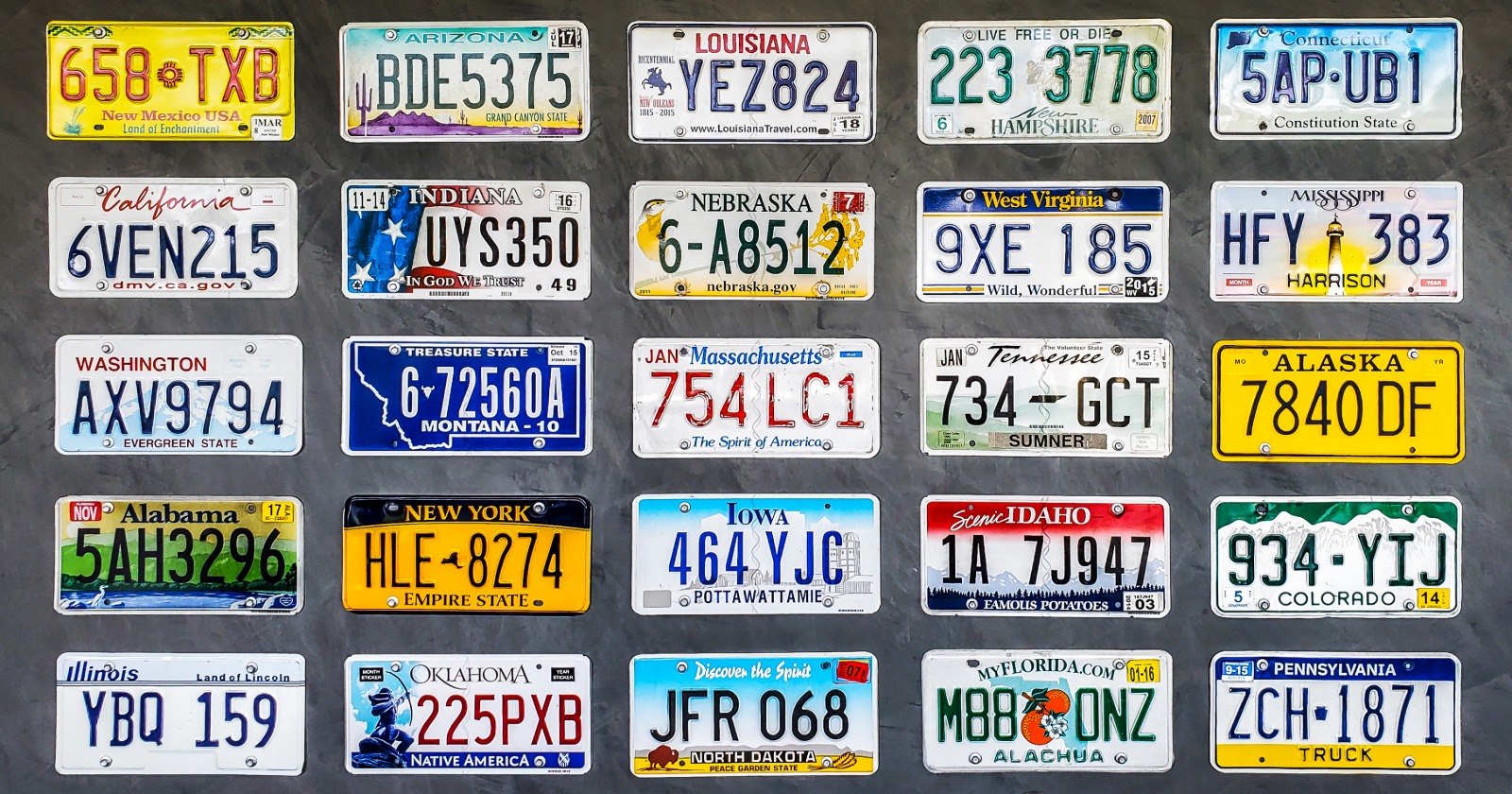
When you buy a replacement car, one of the first questions is what happens to your license plates. The answer depends on a single rule in your state: do plates belong to the owner or to the vehicle? That one distinction decides whether you carry your plates from the old car to the new one, hand them to the buyer, or surrender them to the state. Get it wrong and you can end up paying for registration on a car you no longer own, or driving your new car on tags that were never valid for it. This guide walks through both systems so you know exactly what to do at the sale and at the registration office.
Plates Stay With the Owner, Not the Car
Most states follow the plates-stay-with-the-owner model. In this system the plates are registered to you as a person, so when you sell your old car you remove the plates and keep them, then transfer them onto the car you just bought. A driver in Ohio, for example, takes the plates off the sold vehicle and reuses them, rather than leaving them bolted on for the next owner. If your state works this way, never leave your plates on a car you are selling, because the registration and any tolls or tickets tied to those plates remain your responsibility until you move or surrender them. Because the registration follows you rather than the car, take the plates with you the day the sale closes and store them somewhere safe until you transfer or surrender them.
States Where Plates Stay With the Vehicle
A smaller group of states ties the plates to the car itself, so the plates transfer to the new owner along with the vehicle when it is sold. In these states, the buyer receives the car with its plates attached and then updates the registration into their own name. If you buy a car in a plates-stay-with-the-vehicle state, do not remove the plates before you have registered the car in your name, and confirm with the seller and the local office how the handoff is supposed to work. Because the rules differ so sharply, always check your own state policy before you assume anything about who keeps the plates. The handoff in these states usually happens at the moment of sale, with the plates riding along on the car to its new owner, so a rule you followed correctly in one state can be exactly wrong in another.
Transferring Plates to a Replacement Car
If you live in a plates-stay-with-the-owner state and you are simply replacing one car with another, the process is usually short. Remove the plates from the old vehicle, bring them to the registration office along with the signed title and vehicle bill of sale for the new car, and ask to transfer the plates onto the new registration. The clerk links your existing plate number to the newly purchased vehicle, and you drive away with the same tags on a different car. Some states let you complete the plate transfer online once the title work is done, which can save you a trip to the counter. If the online option is not available, budget a little time for the counter and bring a form of payment for any transfer fee, then confirm the new registration document shows the correct plate number before you leave.
Credit Toward Your New Registration
When you transfer plates rather than start fresh, many states apply the unused portion of your old registration as credit toward the new one. If you paid for a full year on the previous car and sold it partway through, that remaining value can reduce what you owe on the replacement vehicle. The exact rules on how much credit carries over and how long you have to claim it vary widely, so ask the clerk what applies in your state. Keeping your prior registration receipt and the bill of sale from the car you sold makes it easier to prove the dates and amounts involved. The credit typically applies automatically when you transfer plates, but ask the clerk to confirm it landed on your total, and review the receipt if you moved between vehicles of very different weight or class.
When You Need Brand-New Plates
Transferring plates is not always possible. You will generally need new plates when you move to a different state, when the plate type does not match the new vehicle class, or when your old plates are damaged, expired beyond a transfer window, or tied to a car with an unresolved registration issue. Specialty and personalized plates often follow their own rules, and some cannot move to a vehicle of a different weight class. If your plates are worn or the numbers are hard to read, replacing them is worth the small fee, since a legible plate keeps you out of avoidable traffic stops. When you do need new plates, the office issues a fresh number and updates your registration to match, and you should return or destroy the old plates according to your state rule so the retired number cannot be misused.
Surrendering Plates You No Longer Need
If you sell a car and do not have another vehicle to move the plates onto, do not toss them in a drawer. Many states expect you to surrender or turn in the plates when you cancel the registration, and doing so can stop the state from billing you for continued registration or from assuming the car is still yours. Surrendering the plates also protects you if the buyer delays retitling the vehicle, because it makes a clean break in the record. Check your state process, since some let you mail the plates in while others require an in-person return, and always keep the receipt that proves you handed them back. This matters most when you sell to a private buyer, because you cannot control how quickly they complete their own paperwork, and a surrendered plate paired with a dated bill of sale shows the state that your responsibility ended the day the car changed hands.
Frequently Asked Questions
Can I move my old license plates to a car I just bought?
In most states, yes, because plates are registered to you as the owner. You remove them from the old car and transfer them onto the new one at the registration office. A smaller group of states ties plates to the vehicle, so always confirm your state rule first.
Do I get money back on registration when I transfer plates?
Often you receive credit rather than a refund. Many states apply the unused portion of your prior registration toward the new vehicle. The amount and the deadline to claim it vary, so ask the clerk and keep your old registration receipt.
What should I do with plates if I sell a car and have no replacement?
Surrender them to the state when you cancel the registration if your state requires it. Turning the plates in creates a clean break in the record and helps stop the state from continuing to bill you or treat the car as yours.
Along with his duties at YourLeaseAgreement, Paul Oak is a writer covering private sale transactions, vehicle transfers, and consumer legal documents. He breaks down state-by-state requirements into plain English so buyers and sellers can navigate the paperwork without hiring a lawyer. When he's not researching DMV forms and title transfer deadlines, he's probably arguing about which state has the worst bureaucracy.
View all posts →Create Your Bill of Sale
Generate a state-specific, professionally formatted bill of sale in minutes.
Get Started - $5