
How to Sell a Motorcycle Privately (Step by Step)

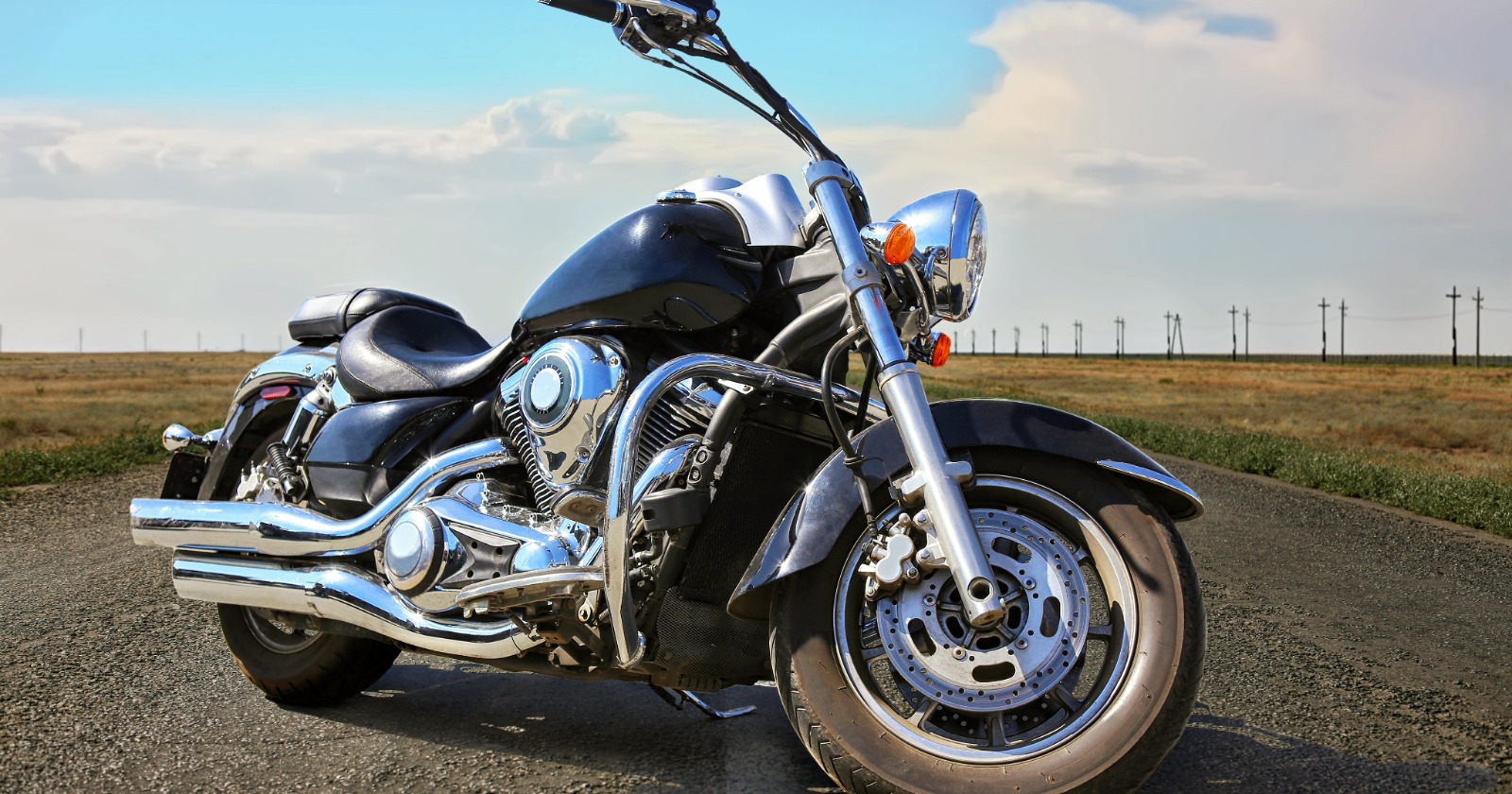
Selling a motorcycle privately runs on the same backbone as selling a car. You confirm the title, agree a price, transfer ownership, and end your liability with the state. But a motorcycle is not just a small car, and the places where the two diverge are exactly the places sellers get hurt. A bike has a second identifying number most cars do not, older bikes sometimes have no title at all, and there is one risk in a motorcycle sale that simply does not exist when you sell a car: the test ride, where you hand a stranger a vehicle they can ride away on. Get the paperwork right and handle that one risk with your eyes open, and a private motorcycle sale is genuinely straightforward. Here is how to do it from listing to handover.
Get the Title and the Numbers Straight Before You List
Find your title first and confirm it is in your name with no outstanding lien. If you financed the bike and recently paid it off, make sure the lien has actually been released in the state records before you advertise, because a buyer with cash in hand does not want to wait on a lender release. Pull your registration and any service records too. For motorcycles in particular, a documented maintenance history carries real weight with serious buyers, because the things that wear on a bike, tires, chain and sprockets, valve adjustments, fork seals, are exactly what a knowledgeable buyer will ask about, and being able to show the work supports your asking price instead of inviting a lowball.
Then locate both of the bike identifying numbers. A motorcycle has a VIN, typically stamped on the steering neck, and it often has a separate engine number stamped on the engine case. Confirm that both match your title and registration before you list. Some states record the engine number on the title or expect it on the bill of sale, and a mismatch between the numbers on the bike and the numbers on the paperwork is the kind of thing that makes a careful buyer walk away at the curb, or worse, raises a red flag about whether the engine or the bike has a hidden history. Checking this yourself, in advance, costs nothing and heads off the problem.
Handle the Test Ride With Caution, or Not at All
This is where motorcycle sales differ most sharply from car sales, and where most of the avoidable disasters happen. A car test drive usually has you sitting in the passenger seat. A motorcycle test ride means handing a stranger a vehicle they can simply ride away on, and you carry real risk if they crash it, drop it, or never come back. You are under no obligation to allow it. Plenty of experienced sellers refuse test rides entirely and let a buyer start the bike, sit on it, and listen to it run, which tells a genuine buyer most of what they need to know.
If you do allow a ride, protect yourself deliberately. Hold the buyer car keys and their photo ID, and ideally the full cash purchase amount, before they so much as throw a leg over the bike. Confirm they actually have a motorcycle endorsement on their license and their own insurance, because if they wreck an uninsured bike on your title, the mess is yours. Keep the ride short and local. The buyer who is offended by these conditions is precisely the buyer you should be most cautious about, because a serious rider understands exactly why you are asking.
Take Payment Safely and Then Transfer Ownership
Settle the money before anything changes hands. Cash or a verified bank transfer is safest, and you should be wary of cashier checks, which are commonly counterfeited in private vehicle sales, and never release the bike or the title against a personal check that has not cleared. If you are meeting to exchange a large amount of cash, do it at a bank or a police-designated safe-exchange zone, and confirm the funds are real and in your account before you hand over anything.
Once the money is secure, sign the title over to the buyer with the correct odometer reading filled in, and then complete a motorcycle bill of sale. The bill of sale should record the price, the as-is condition, the date, the VIN, the engine number, and both signatures. This document is your proof of the terms and of the exact moment your liability shifted to the buyer, and it matters more on a motorcycle than people assume, because bikes get ridden hard and a buyer who pushes a used motorcycle past its limits is exactly the buyer who might come back claiming the bike was misrepresented. The as-is clause plus an honest written disclosure of anything you know is wrong, a weeping fork seal, a clutch near the end of its life, is your protection against that complaint. Disclose it and you have closed the door on it.
End Your Liability and Close Out the Bike
Whatever your state calls it, a notice of sale or a release of liability, file it so the state knows you no longer own the motorcycle as of a specific date. This is the step that stops a buyer post-sale ticket, toll, or accident from landing on your record, and it is the one most sellers forget in the relief of having sold the thing. Handle your license plate according to your state rule, since in some states the plate stays with you while in others it goes with the bike, and cancel or transfer your insurance only once the sale is genuinely final and the money has cleared. Then keep your copies, the signed bill of sale, a photo of the signed-over title, and your notice-of-sale confirmation, all together. If anything surfaces months later, those three documents are the difference between a thirty-second "here is the paperwork" and a drawn-out argument over a bike you no longer own.
Selling on two wheels is simple once the title is clean and the paperwork is complete. The risk that is unique to motorcycles lives in that test ride, so treat it with the caution it deserves, and let the bill of sale carry the rest. And if you cannot be present to sign the title yourself, use a vehicle power of attorney to authorize someone you trust to complete the title work for you rather than letting anyone sign your name without that authority.
Frequently Asked Questions
Do I need a bill of sale to sell a motorcycle?
Yes, you should always use one, and some states require it for registration. A motorcycle bill of sale records the price, the VIN and engine number, the odometer reading, the as-is condition, and both signatures. It proves the terms of the sale and the exact date your liability ended, which matters because bikes get ridden hard and a buyer who pushes a used motorcycle past its limits may try to come back claiming it was misrepresented.
Should I let a buyer test ride my motorcycle?
That is entirely your call, and many experienced sellers refuse. A test ride means handing a stranger a vehicle they can ride away on, with real risk if they crash it or never return. If you allow one, hold their car keys, photo ID, and ideally the full payment first, and confirm they have a motorcycle endorsement and their own insurance. It is also perfectly acceptable to only let the buyer start the bike and sit on it.
What is the engine number and why does it matter on a motorcycle sale?
A motorcycle often has a separate engine number stamped on the engine case in addition to the VIN on the steering neck. Some states record the engine number on the title or expect it on the bill of sale. Confirm both numbers match your paperwork before listing, since a mismatch can make a careful buyer walk away or raise questions about the bike history, and include both numbers on the bill of sale so registration goes through cleanly.
Along with his duties at YourLeaseAgreement, Paul Oak is a writer covering private sale transactions, vehicle transfers, and consumer legal documents. He breaks down state-by-state requirements into plain English so buyers and sellers can navigate the paperwork without hiring a lawyer. When he's not researching DMV forms and title transfer deadlines, he's probably arguing about which state has the worst bureaucracy.
View all posts →Create Your Bill of Sale
Generate a state-specific, professionally formatted bill of sale in minutes.
Get Started - $5