
How to Sell a Mobile Home Privately Without a Realtor

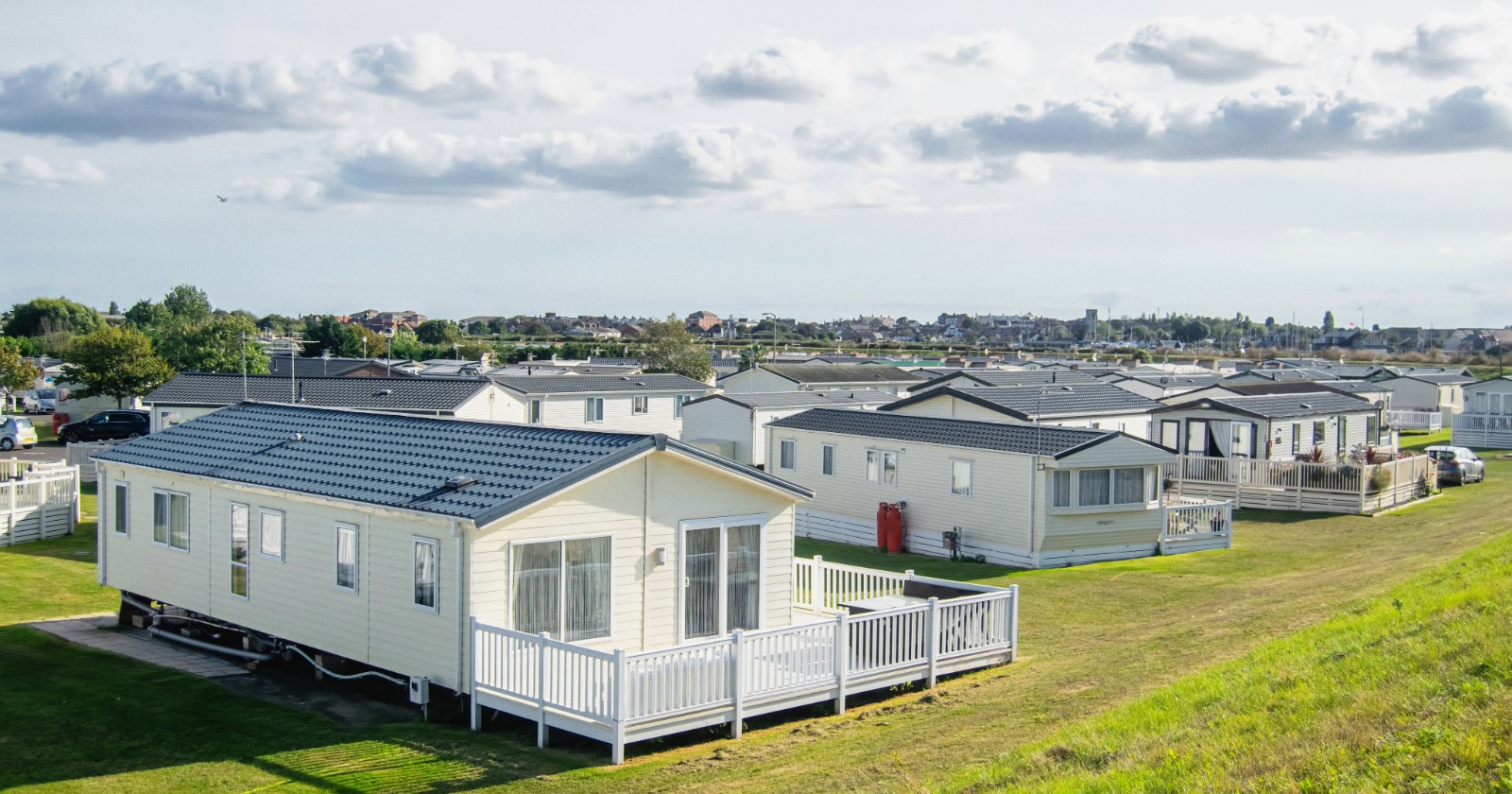
Selling a mobile home on your own is entirely doable, but it starts with a question that does not come up when you sell a regular house: is your mobile home personal property or real estate? The answer changes which documents you use, how ownership transfers, and what the buyer has to do to take title. A mobile home that sits on a rented lot in a park is usually treated as personal property, much like a vehicle, with a title that transfers by signature. A mobile home that has been permanently affixed to land you own is often legally converted to real estate, and it transfers with a deed like any other home. Knowing which kind you have is the first and most important step, because everything else follows from it.
Figure Out Whether You Are Selling Property or Real Estate
Look at how the home is set up and how your state classifies it. If your mobile home is on a leased lot, or it still has a state-issued title from the motor vehicle or housing agency, it is almost certainly personal property. If it sits on land you own and you went through a process to retire or surrender the title and attach it to the land, it has likely been converted to real estate. This matters enormously: a personal-property mobile home is sold with a title transfer and a bill of sale, while a real-estate mobile home is sold with a deed and usually a more involved closing. If you are not sure which you have, check whether a title still exists, because a live title is the clearest sign you are dealing with personal property.
Clear the Title, Taxes, and Any Lot Issues First
For a personal-property mobile home, pull the title and confirm it is in your name with no lien. If you still owe money on it, you handle the payoff the same way you would with a financed car, paying off the loan so the lender releases the title before or during the sale. Then check your property tax status, because many states will not transfer a mobile home title until taxes owed on it are paid current, and an unpaid tax balance can stop the sale at the counter. If the home is in a park, talk to the park management early, since most parks require the new owner to apply and be approved for the lot, and a buyer who cannot get approved cannot complete the purchase no matter how good your paperwork is.
Agree on Price and Take Payment Safely
Mobile homes sell for real money, so treat the payment with the same care you would in any large transaction. Cash or a verified bank transfer is safest, and a closing handled through a title company or an attorney is worth considering for higher-value homes, because it sorts out the title, the taxes, and the funds in one controlled process. Be cautious with cashier checks, which are commonly faked, and never sign over the title against funds that have not cleared.
Price the home realistically before you list, because a mobile home value depends heavily on factors a car never has: the age and condition of the structure, whether it sits on owned land or a rented lot, the desirability of the park or location, and whether the home has been updated. A home on a leased lot in a park is worth less than the same home on land that conveys with it, and buyers who are financing will run into lenders that treat older or lot-based homes cautiously. Setting an honest price up front saves you from a sale that collapses at financing or appraisal.
Complete the Title Transfer and the Bill of Sale
For a personal-property home, sign the title over to the buyer following your state procedure, then complete a mobile home bill of sale recording the price, the as-is condition, the date, the home make and model and serial or HUD label number, and both signatures. The as-is clause is your protection against a buyer who later complains about the condition of a used home, and an honest written disclosure of known problems, a leaky roof, a soft floor, an aging furnace, removes any argument that you concealed something. For a home that has been converted to real estate, you are instead working with a deed and a closing, and that is the point where a title company or real estate attorney earns their fee, even on a sale without an agent.
Close Out Your Responsibility
Once the sale is done, make sure the title transfer is actually recorded with your state agency, cancel or transfer your insurance, and notify the park in writing if the home is on a leased lot so the lot account moves to the new owner. Keep copies of the signed title, the bill of sale, the tax clearance, and any park approval together. Selling a mobile home without a realtor saves you a commission that can run into real money, and the process is manageable on your own. The one thing you cannot skip is settling the personal-property versus real-estate question at the start, because using the wrong set of documents is the mistake that unravels everything else. Our mobile home bill of sale builder covers the personal-property transfer with the serial number, HUD label, and as-is fields already in place.
Frequently Asked Questions
Is a mobile home personal property or real estate?
It depends on the setup. A mobile home on a rented lot or one that still has a state-issued title is usually personal property and transfers by title and bill of sale, like a vehicle. A mobile home permanently affixed to land you own, where the title was retired and attached to the land, is often real estate and transfers by deed. Which one you have determines the paperwork for the entire sale.
Do I need a bill of sale to sell a mobile home?
For a mobile home treated as personal property, yes. You transfer the title and complete a bill of sale recording the price, the as-is condition, the date, the make and model, the serial or HUD label number, and both signatures. For a home that has been legally converted to real estate, you use a deed and a closing instead, often with a title company or attorney.
Can I sell a mobile home if I still owe taxes on it?
Usually not until the taxes are paid. Many states will not transfer a mobile home title while property taxes owed on it are outstanding, so an unpaid balance can stop the sale at the counter. Check your tax status early and bring the account current before closing, so the transfer goes through without a surprise hold.
Along with his duties at YourLeaseAgreement, Paul Oak is a writer covering private sale transactions, vehicle transfers, and consumer legal documents. He breaks down state-by-state requirements into plain English so buyers and sellers can navigate the paperwork without hiring a lawyer. When he's not researching DMV forms and title transfer deadlines, he's probably arguing about which state has the worst bureaucracy.
View all posts →Create Your Bill of Sale
Generate a state-specific, professionally formatted bill of sale in minutes.
Get Started - $5