
Does a Bill of Sale Need to Be Notarized in Michigan?

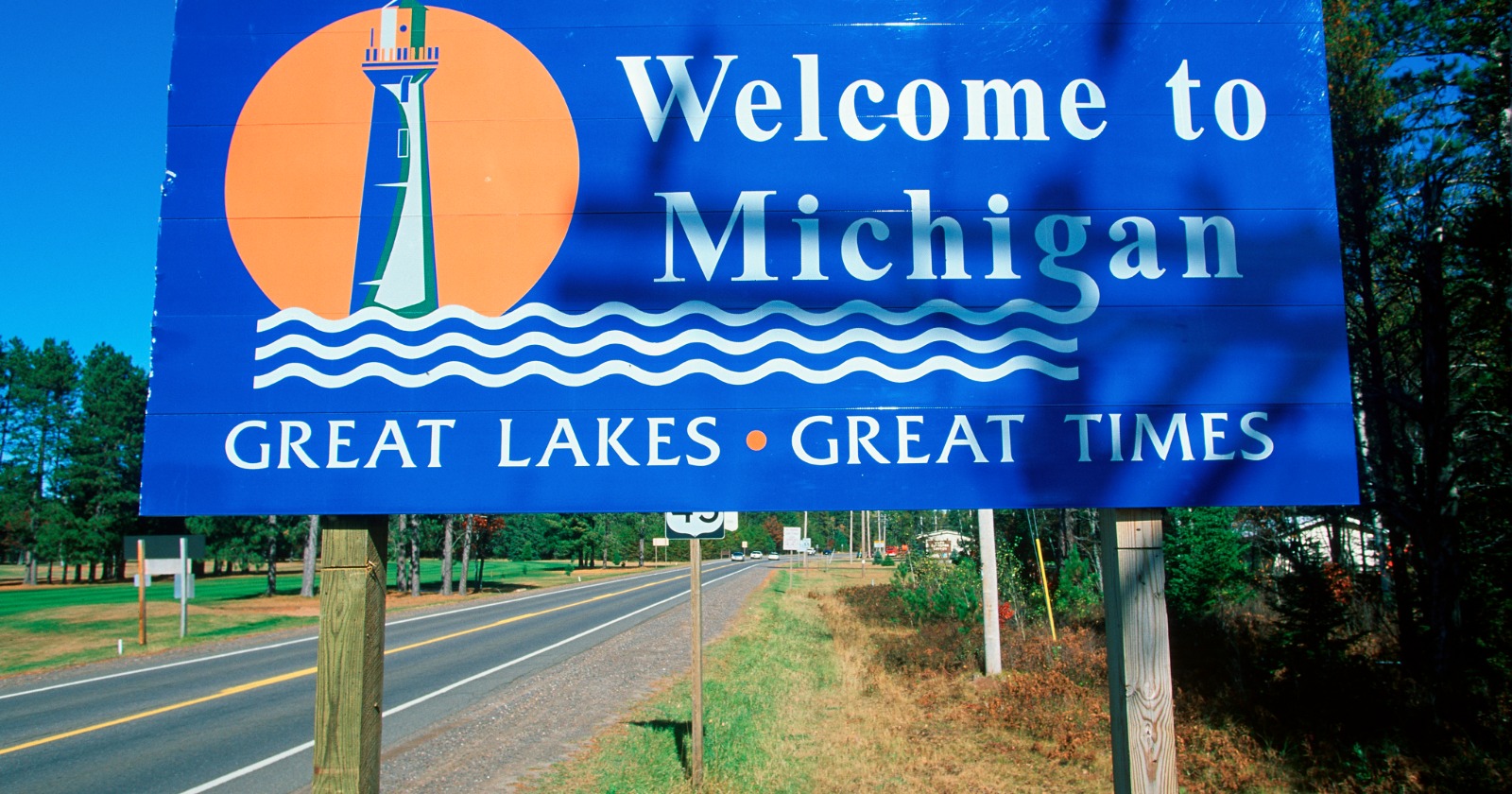
If you're completing a private vehicle sale in Michigan and someone tells you the bill of sale needs to be notarized, they're wrong. Michigan does not require notarization for a vehicle bill of sale. The Michigan Secretary of State will process a title transfer without a notary stamp. That said, there's one important exception to know about, and understanding the difference between what's required and what's smart to do anyway matters before you show up to close a deal.
The Direct Answer: No Notarization Required
Michigan's bill of sale notarization requirement is simple: there isn't one. Cars, motorcycles, boats, trailers, mobile homes, personal property, firearms. None of them require a notarized bill of sale in Michigan. Both parties sign, both parties keep a copy, and the document is legally valid without a notary involved.
This puts Michigan in the majority. Most states don't require notarization for private sale bills of sale. The six states that do, Arizona, Louisiana, Maryland, Montana, Nebraska, and West Virginia, are the exception rather than the rule. Michigan isn't among them. Use the Notarization and Title Requirements Checker to confirm requirements for any state or document type in under ten seconds.
The One Exception: Vehicle Power of Attorney
Michigan doesn't require notarization for the bill of sale. It does require notarization for a vehicle power of attorney. If the title owner can't be present for the transaction and needs to authorize someone else to sign the title on their behalf, that POA document needs to be notarized to be valid at the Michigan Secretary of State.
This catches people off guard because the requirements differ between document types. A seller who shows up with an unnotarized vehicle POA expecting it to work the same way as the bill of sale is going to have a problem at the SOS office. The agent can't complete the title signing without a valid POA. The buyer can't register the car. The transaction stalls.
Get the vehicle POA notarized before the transaction happens, not after the buyer is already waiting. The principal needs to sign in front of a commissioned notary at a bank, credit union, UPS Store, or through Michigan's Remote Online Notarization process. Once notarized, the agent can use it to complete the transaction on the title owner's behalf.
What Michigan Does Require for a Bill of Sale
No notarization, but that doesn't mean anything goes. A complete Michigan vehicle bill of sale needs to include the full legal names and addresses of both buyer and seller, the vehicle's year, make, model, and VIN, the sale price, the date of the transaction, an as-is clause, and signatures from both parties.
Michigan also requires a separate Odometer Mileage Statement, Form BVDR-108, for vehicle and motorcycle sales. This is different from most states where the odometer disclosure is incorporated directly into the bill of sale or completed on the title itself. In Michigan, the Secretary of State may request this form as a separate document during the title transfer process. A state-specific Michigan bill of sale includes the odometer disclosure in the correct format, but knowing the separate form exists prevents surprises at the SOS office.
Michigan's 15-Day Title Transfer Window
This is the requirement that catches Michigan buyers more often than any paperwork issue. After purchasing a vehicle privately, the buyer has 15 days to transfer the title into their name at a Michigan Secretary of State branch office. That's one of the shorter windows in the country, matching Arizona and Minnesota and half the 30-day window that states like Georgia and Ohio provide.
Fifteen days moves fast. A buyer who picks up a car on a Friday, has a busy following week, and then forgets about it is looking at late fees before they've had the car three weeks. Let buyers know about the 15-day window at the time of the sale. The date on the signed title and the date on the bill of sale establish when the clock starts, which is another reason both documents need to reflect the actual transaction date rather than a convenient approximation.
What Happens at the Michigan Secretary of State
Michigan handles vehicle title transfers through Secretary of State branch offices rather than a separate DMV. The buyer brings the signed title, the bill of sale, proof of current Michigan insurance, their driver's license, and payment for the title transfer fee and use tax. The SOS clerk processes the transfer and issues new registration in the buyer's name.
Michigan charges a 6 percent use tax on vehicle purchases calculated on the purchase price. Without a documented sale price on the bill of sale, the SOS may use the vehicle's book value to calculate the tax. A 2017 pickup that sold for $12,500 but has a book value of $16,000 means the buyer pays 6 percent of $16,000 unless they can document the actual price. That's a $210 difference on a single transaction, which is $210 the buyer avoids by having a properly completed bill of sale showing what was actually paid.
Optional Notarization: When It Makes Sense
Not required doesn't mean never useful. There are specific situations where getting a Michigan bill of sale notarized voluntarily is worth the extra step even though the state doesn't mandate it.
High-value transactions with strangers are the clearest case. A $22,000 truck sold to someone you found on an online platform is a transaction where independent identity verification adds a layer of protection that's hard to replicate otherwise. A notarized signature is significantly harder to dispute than an unwitnessed one, and on a transaction of that size, the cost of a notary, often free at a bank, is trivial relative to the protection it provides.
Out-of-state buyers are another situation where voluntary notarization helps. If the buyer is from another state and will be registering the vehicle elsewhere, some states' DMVs look more favorably on notarized transfer documentation from private sales. Providing a notarized bill of sale reduces the chance the buyer runs into complications at their home state's registration office.
Firearm sales are a third case worth mentioning. Michigan requires private handgun transfers to go through a licensed dealer for a background check. For long gun sales where no dealer is required, a voluntarily notarized bill of sale creates the most defensible documentation of the transaction. The serial number, buyer identity verification, and notarized signatures together create a record that stands up under scrutiny better than an unverified private document.
Michigan's Firearm Private Sale Requirements
Michigan is one of the states that requires background checks for private handgun transfers. Any private sale of a pistol in Michigan must go through a licensed dealer or a local law enforcement agency to complete the required safety inspection and background check process. The dealer or law enforcement agency completes their own paperwork as part of that process.
Your Michigan firearm bill of sale supplements that process by documenting the private terms of the transaction: the agreed price, the firearm's full description including serial number, the buyer's identity information, and the buyer's signed representation of legal eligibility. The dealer's background check documentation and your bill of sale together create a complete record of the transaction.
Long gun private sales in Michigan don't require a background check through a dealer. The bill of sale is even more important in those transactions because it's the primary documentation of the transfer. Include the serial number, verify the buyer's Michigan residency, and have both parties sign. Check current Michigan requirements with the Notarization and Title Requirements Checker before completing any firearm transaction, as Michigan's firearm laws have been updated in recent years.
Selling a Boat, Motorcycle, or Trailer in Michigan
The same no-notarization rule applies across all Michigan private sale document types except the vehicle POA. A motorcycle bill of sale, boat bill of sale, and trailer bill of sale in Michigan all follow the same requirements: no notarization needed, both parties sign, both parties keep copies. The 15-day title transfer window applies to all titled assets including motorcycles and boats. Trailers under a certain weight threshold may not require titling in Michigan, but a bill of sale still documents the ownership transfer for non-titled trailers.
The Statute of Limitations on a Michigan Bill of Sale
A bill of sale is a written contract. Michigan's statute of limitations on written contracts is six years. A vehicle sold in 2024 can be the subject of a small claims or civil dispute as late as 2030. The documentation you created at the time of the sale is what you'd rely on in that dispute, not your recollection of a transaction you completed years ago.
Check your specific exposure with the Statute of Limitations Lookup and the Small Claims Court Limit Lookup. Michigan's small claims limit is $6,500 with filing fees under $50. Most private vehicle sales fall entirely within that range, which means a dissatisfied buyer has a straightforward path to filing without an attorney. The bill of sale and its as-is clause are your primary defense. Keep your signed copy somewhere you can find it for the full six-year window.
The Michigan Private Sale Checklist
Title signed correctly with all fields completed including odometer reading. Separate Michigan Odometer Mileage Statement completed if required by the SOS for your transaction. Michigan vehicle bill of sale completed with actual sale price, as-is clause, and signed by both parties. Vehicle POA notarized if the title owner can't be present. Buyer informed of the 15-day title transfer window and what to bring to the Secretary of State office. Both parties keep signed copies. Seller keeps documentation for the full six-year statute of limitations window.
Michigan's process is cleaner than most states and the absence of a notarization requirement makes it one of the more straightforward private sale environments in the Midwest. The 15-day transfer window is the requirement that catches most people off guard. Know it before the sale closes and make sure the buyer does too.
Frequently Asked Questions
Does a Michigan bill of sale need to be notarized?
No, Michigan does not require notarization for a vehicle, motorcycle, boat, trailer, firearm, mobile home, or personal property bill of sale.
What Michigan private sale document does need notarization?
A Michigan vehicle power of attorney must be notarized if someone other than the title owner is signing title documents for the sale.
How long do you have to transfer a vehicle title in Michigan?
Michigan buyers have 15 days after a private vehicle purchase to transfer the title at a Secretary of State branch before late fees can apply.
Jill Stradley writes about private sales, title transfers, and the paperwork that trips people up when buying or selling cars, boats, and everything in between. She got interested in the topic after a used car sale gone wrong taught her more about DMV requirements than she ever wanted to know. Now she breaks down what each state actually requires so other people don't have to learn the hard way.
View all posts →Create Your Bill of Sale
Generate a state-specific, professionally formatted bill of sale in minutes.
Get Started - $5