
Buying a Used Motorcycle from a Private Seller
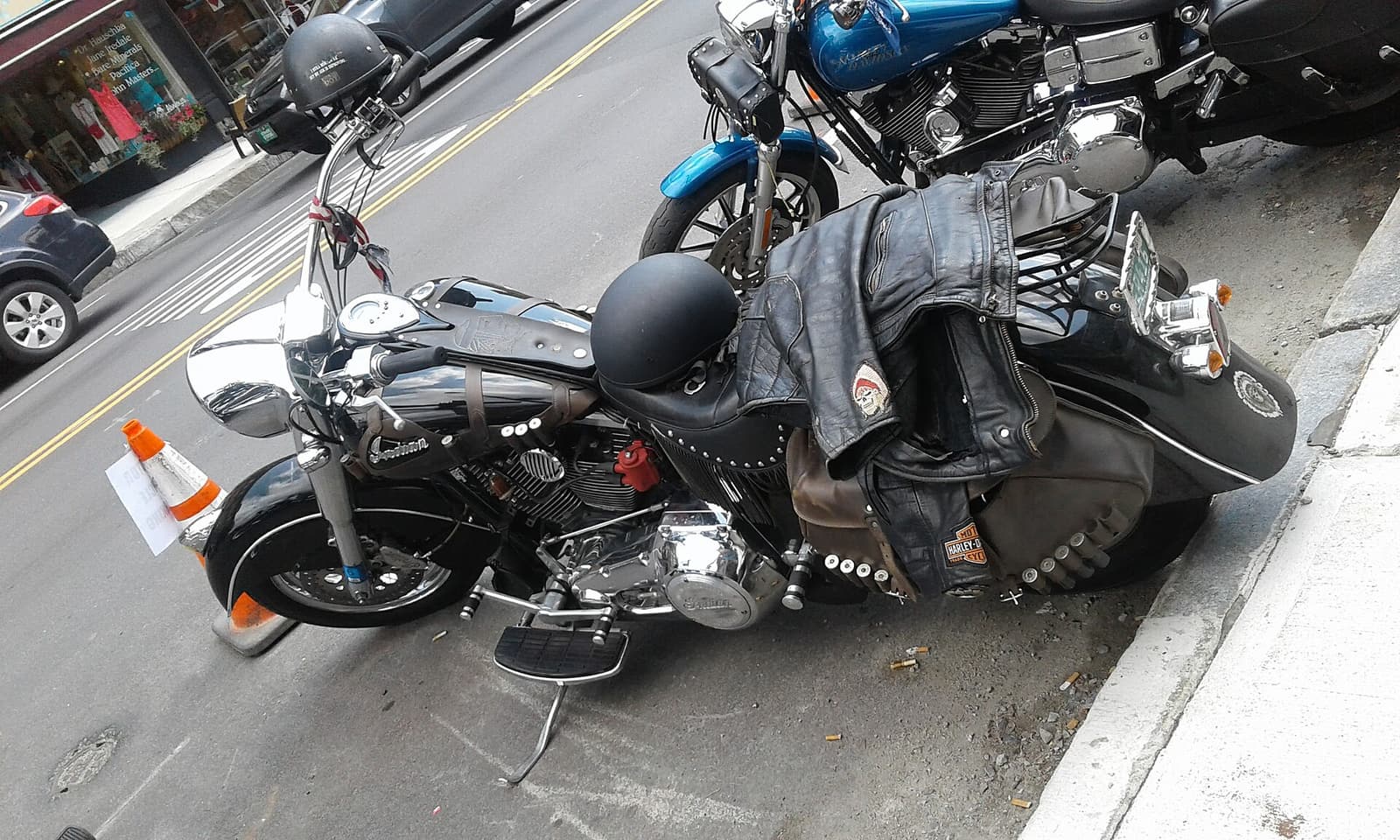
A private-party bike can cost far less than dealer money, but a motorcycle hides crash damage and theft history more easily than a car does. A careful inspection and the right paperwork keep a good deal from turning into a problem.
What does your state require?
Notarization, odometer rules, and the title-transfer deadline depend on where you register. Pick your state to see them, then get a motorcycle bill of sale built for it.
Verify the title and the frame number first
Before you look at anything mechanical, confirm the bike is legally the seller's to sell. Ask to see the title before you discuss money. The VIN is stamped into the steering head of the frame, and it must match the title exactly. Check the seller's photo ID against the name on the title.
A re-stamped or filed frame number, a title in a different name, or a seller who "just bought it and never registered it" are all signs of title jumping or a stolen bike. Run the VIN through the free NICB VINCheck for theft and salvage records, and a paid history report for accidents and title brands.
Reading a crashed bike
Almost every used motorcycle has been down at low speed at some point. The question is how hard and whether anything structural was bent. Look for these tells:
- Scuffed bar ends, levers, and pegs. Fresh or mismatched replacements suggest a recent drop.
- Bent or misaligned forks. Sight down the front of the bike. The wheel should track straight with the bars.
- Cracks or welds at the steering head and frame gussets. Any repair weld on a frame is a walk-away for most buyers.
- Fork seal leaks and pitted fork tubes. Oil on the lower fork legs means seals or tubes need work.
- Uneven or cracked tires, old date codes. Tires older than five or six years are due regardless of tread.
The cold start and test ride
Arrive while the engine is cold. A seller who "warmed it up for you" may be hiding a hard start. Listen at idle for knocks, ticking, or rattling cam chains. On the ride, check that the clutch engages cleanly, the gearbox shifts without false neutrals, the brakes are firm front and rear, and the bike tracks straight with no shimmy. After the ride, look for fresh leaks and check the oil for a milky look (coolant intrusion).
The paperwork you need at the sale
The bill of sale records the price, the date, the odometer reading, and any "as-is" language. Even where the DMV does not require it, it is your proof of purchase and the basis for the sales tax you will pay at registration. Use our Notarization Checker to confirm whether your state wants it notarized.
Used motorcycle buyer checklist
Print this and take it with you. A bike can hide a crash or a title problem more easily than a car, so work through every line before money changes hands.
Before you talk price
- See the title and confirm the seller's name matches their photo ID
- Match the VIN on the frame steering head to the title exactly
- Check for SALVAGE, REBUILT, or DUPLICATE branding on the title
- Run a free NICB VINCheck for theft and salvage history
- Run a paid history report for accidents and odometer history
Inspect cold, then ride
- Confirm the engine is cold when you arrive
- Check the frame and steering head for cracks or weld repairs
- Check forks for leaks, pitting, and straight alignment
- Inspect chain, sprockets, brake pads, rotors, and tire date codes
- Look for drop damage on bar ends, levers, pegs, and exhaust
- Ride it: clutch, shifting, brakes, straight tracking, no shimmy
- After the ride, check for fresh leaks and milky oil
Close the deal
- Record the exact odometer reading on the bill of sale
- Sign a bill of sale with the true price and both signatures
- Get the title signed over to you before you hand over payment
- Pay by cashier's check or wire, not loose cash
- Confirm your state's title-transfer deadline and notarization rule
- Plan a legal way home if you do not have a motorcycle endorsement
General guidance, not legal advice. Notarization, odometer rules, and title-transfer deadlines are set by your state.
Common mistakes to avoid
- Paying before the signed title is in your hand
- Skipping the cold start and only riding a warm engine
- Ignoring a frame number that looks altered or re-stamped
- Riding home with no endorsement and no insurance in force
- Writing a fake low price on the bill of sale to dodge tax