
Buying a Mobile Home Without the Land
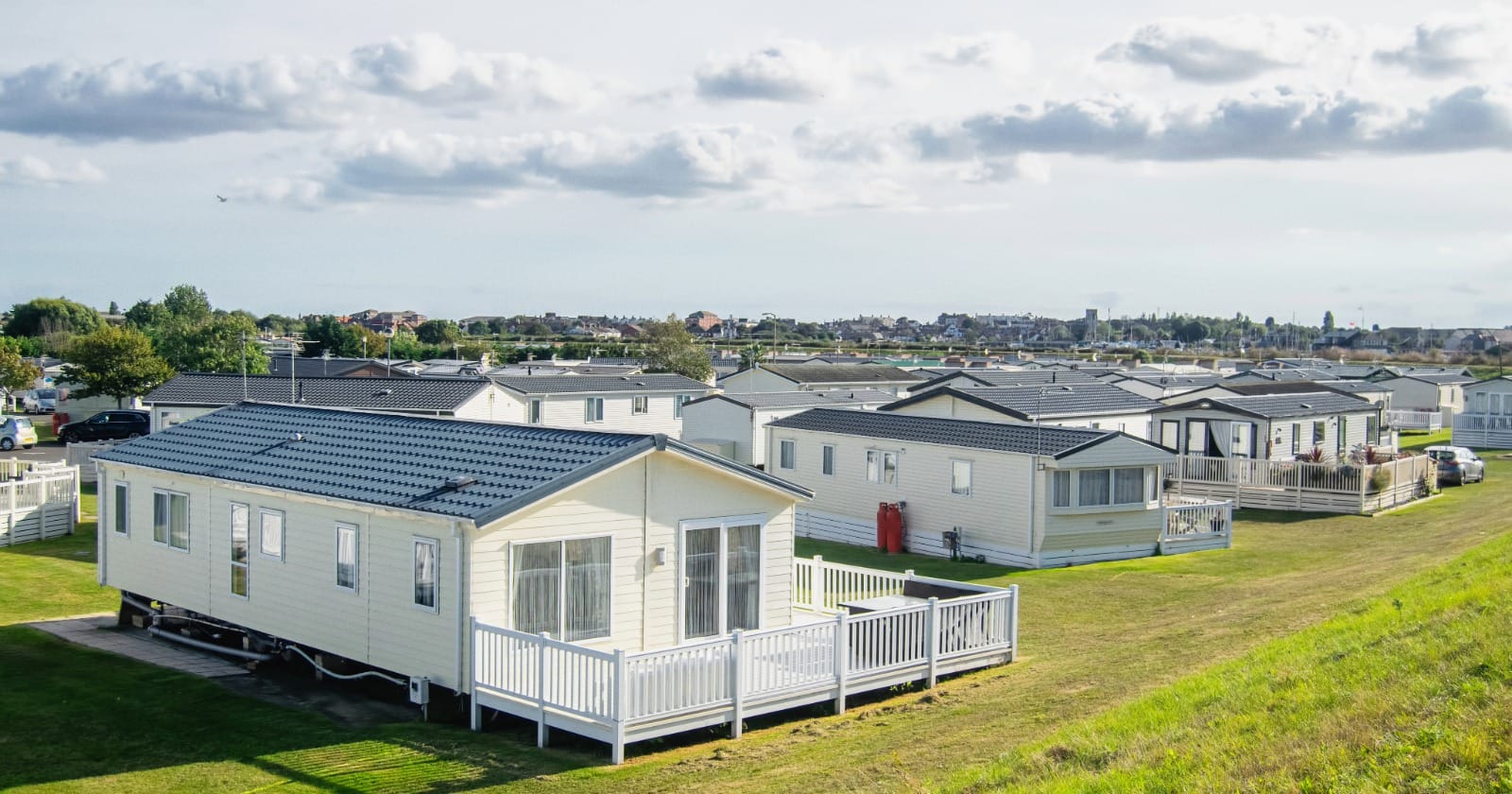
A mobile home on a rented lot looks like a house and feels like a house. Legally it is a piece of titled personal property, like a car. The buying process has more in common with a vehicle purchase than a home purchase, and the most important paperwork is not the bill of sale - it is the park's tenant approval.
Real estate or personal property?
The legal status depends on whether the home is permanently affixed to land owned by the homeowner.
- Personal property: home is on rented/leased land, has axles or running gear still attached, or has not had its title converted. Sells with a state-issued title and a bill of sale.
- Real estate: home is on owned land, foundation is permanent, running gear is removed, and the title has been retired. Sells through a deed at a closing with title insurance.
This guide covers personal-property mobile homes (the rented-lot situation).
What you actually buy
Two separate things on closing day:
- The home itself (changes hands via title transfer + bill of sale)
- The right to keep the home on the lot (a lease with the park, signed in your name)
Buying the home without the lot lease leaves you with a home that has to be moved within 30 to 60 days. Moving is expensive and most older units do not survive the trip in livable condition.
The park approval process
Before you negotiate price, contact the park manager:
- Confirm the lot is transferable (some parks reserve the right to evict and re-sell the lot)
- Ask for the current lot rent and any anticipated increases
- Get the resident application and submit it
- Pay any application or transfer fees
- Read the park rules in full (pet limits, vehicle limits, fence and shed rules)
- Get the park's approval in writing before paying the seller
If the park rejects your application after you have paid, you have a home you cannot keep where it is. Make the bill of sale contingent on park approval.
What goes on the mobile home bill of sale
- HUD label number (the red metal tag, one per section - doublewides have two)
- Serial number / VIN
- Make, model, year, length, width, number of sections
- Park name, lot number, and address (the home's current location)
- Sale price, broken down between the home and any included furniture or appliances
- Condition disclosures (roof leaks, plumbing issues, known problems)
- An "as-is" clause if applicable
- Contingency on park approval and clear title
- Buyer and seller signatures (notarized in many states)
Title transfer and DMV (or housing department)
The state agency that handles mobile home titles varies:
- Most states: DMV or motor vehicle agency
- Florida, North Carolina: separate manufactured housing division within the DMV
- Some states: department of housing or community affairs
The seller signs the title over to you, you submit it with the bill of sale and pay the title fee plus any sales/use tax. You will get a new title in your name within a few weeks. Keep the original somewhere safe - replacing it is a hassle.
Liens and back taxes - the two big traps
Existing chattel loan. If the seller still owes on the home, the lender holds the title. The loan must be paid off and the lien released before transfer. Pay the lender directly out of the purchase price and get the lien-release letter.
Unpaid lot rent or property tax. Mobile homes are taxed as personal property in most states, separate from the land. Unpaid taxes can attach to the title. Unpaid lot rent gives the park a lien on the home in some states. Ask the park for a written statement that the lot account is current. Ask the county tax office for a "tax clearance" or current statement.
Inspection - what to check on a mobile home
- Roof condition (the most expensive thing to fix)
- Floor soft spots, especially around the bathroom and kitchen
- Plumbing under the home (leaks attract pests and rot the floor)
- HVAC age and condition
- Electrical panel and wiring (older units may have aluminum wiring)
- Skirting condition (frozen pipes are a yearly problem in cold climates)
- Windows and doors for water intrusion
- HUD tag readable and matches the title
A specialty mobile-home inspection costs $200 to $400 and can save you tens of thousands.
Sales tax
Sales or use tax on a private mobile-home sale varies by state. Some states tax the full sale price, some exempt private resales of older homes, some tax only manufactured homes (post-1976) and not mobile homes (pre-1976). The DMV or housing office calculates and collects the tax at title transfer.