
Buying a Firearm at a Gun Show
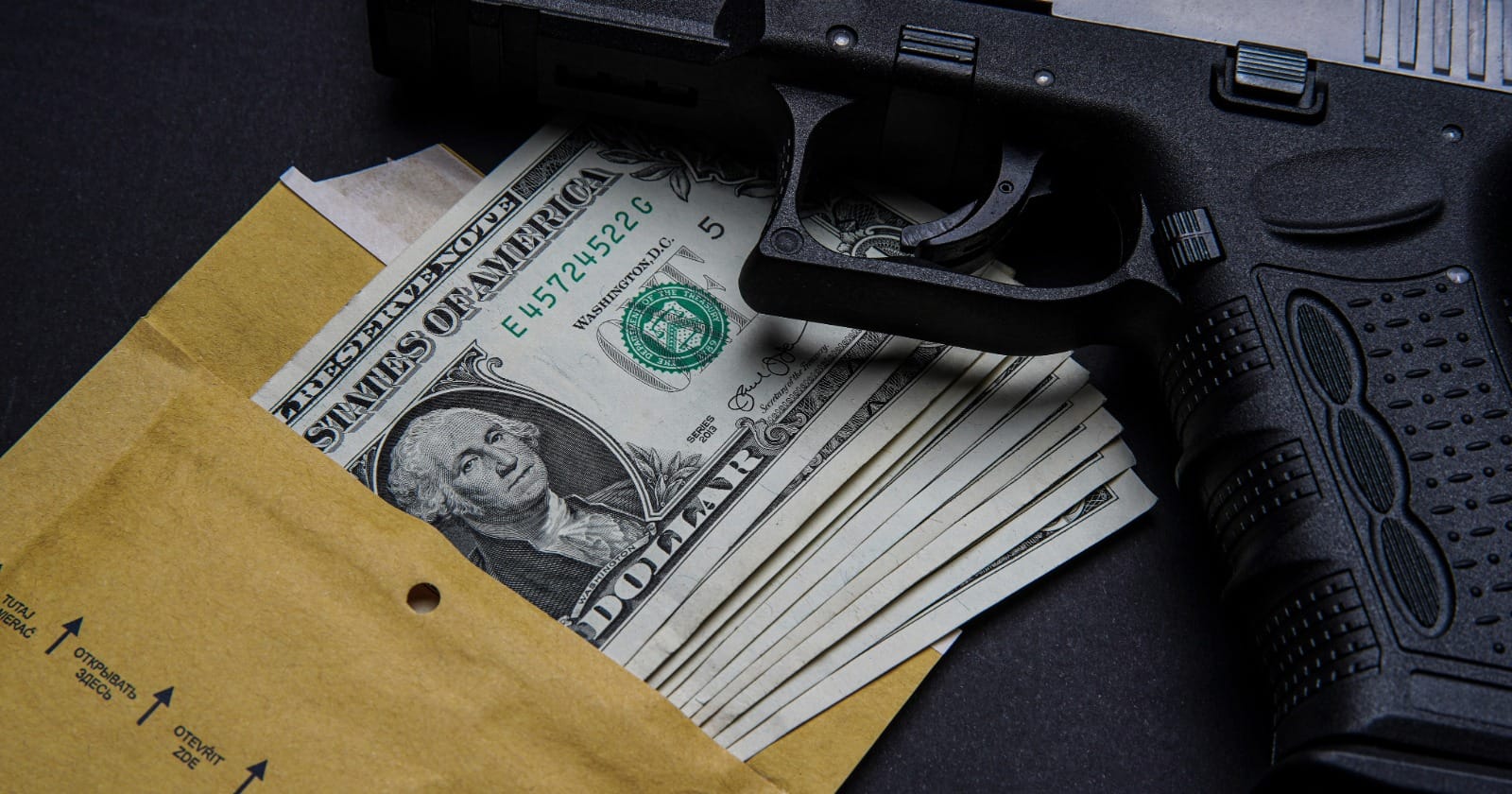
Gun shows mix licensed dealers, private sellers, and out-of-state vendors under one roof. The rules for each are different, and "I bought it at a gun show" is not a legal category. Here is what is actually allowed where you live, and the paperwork that protects you on a private sale.
Two kinds of sellers, two sets of rules
Federally licensed dealers (FFLs) at the show must run a background check on every buyer through the FBI NICS system. This applies whether the buyer is from your state or another. The dealer fills out ATF Form 4473, calls in the check, and either approves, delays, or denies. The buyer pays a small transfer fee.
Private sellers at the show are not licensed dealers. Federal law does not require them to run a background check. State law may. If your state has a universal background check requirement, the private seller must use a licensed dealer to process the sale, even at a gun show.
States that require background checks on private sales
As of early 2026, these states require background checks on most or all private firearm transfers:
- California, Colorado, Connecticut, Delaware, Hawaii, Illinois
- Maryland, Massachusetts, Michigan, Minnesota
- Nevada, New Jersey, New Mexico, New York
- Oregon, Rhode Island, Vermont, Virginia, Washington
- Pennsylvania (handguns only)
- Washington DC
In these states a private seller at a gun show must route the sale through an FFL on site. The dealer runs the check and charges a transfer fee.
The interstate rule that closes the "loophole" anyway
Even in states without universal background checks, you cannot buy a firearm from a private seller who lives in another state at a gun show. Federal law requires interstate transfers to go through an FFL in the buyer's state of residence. The buyer can take possession only after a background check by that dealer.
This means a Texas resident at a Texas gun show cannot legally buy from an Oklahoma private seller without involving an FFL. The fact that they are face to face does not change the law.
What to ask before money changes hands
- Are you a licensed dealer or a private seller?
- Are you a resident of this state?
- Is this firearm legal to own and transfer here? (Some states restrict certain models, magazine capacities, suppressors)
- Is the firearm stolen or has it ever been part of a police investigation?
Run the serial number through your state's stolen-property database if available. The seller's willingness to write a bill of sale and show ID is a strong signal of good faith.
The bill of sale for a private firearm transfer
Even where not required by law, both buyer and seller should sign a bill of sale that includes:
- Make, model, caliber, and serial number of the firearm
- Buyer and seller full names and addresses
- Buyer and seller driver's license numbers and states
- Date and location of sale
- Sale price
- An acknowledgment that the buyer is not a prohibited person under federal law
- An "as-is" clause
Keep your copy for the life of the firearm and beyond. If the firearm is later used in a crime, ATF will trace it and the trail ends with whoever last sold it. A bill of sale shows the trail continued past you.
Prohibited persons under federal law
Federal law prohibits selling or giving a firearm to anyone who:
- Has been convicted of a felony or domestic violence misdemeanor
- Is under indictment for a felony
- Is a fugitive, an illegal alien, or has been dishonorably discharged
- Has been adjudicated mentally defective or committed to a mental institution
- Is subject to certain restraining orders
- Is an unlawful user of a controlled substance (including state-legal marijuana)
If you "knew or should have known" the buyer was prohibited, you face federal prosecution. A clear bill of sale with ID and a buyer attestation is your defense.
States with extra rules at gun shows
Beyond universal background checks, several states layer on extra requirements:
- California, New York, Illinois, Massachusetts: waiting periods (usually 7 to 10 days) before delivery
- Hawaii, Illinois, Massachusetts, New York: a permit or license to acquire any firearm
- New Jersey: permit to purchase a handgun, FID card for long guns
- Connecticut, Maryland: handgun purchase permits
These rules apply to gun-show purchases the same as any other purchase.