
The Buyer Never Registered the Car After You Sold It
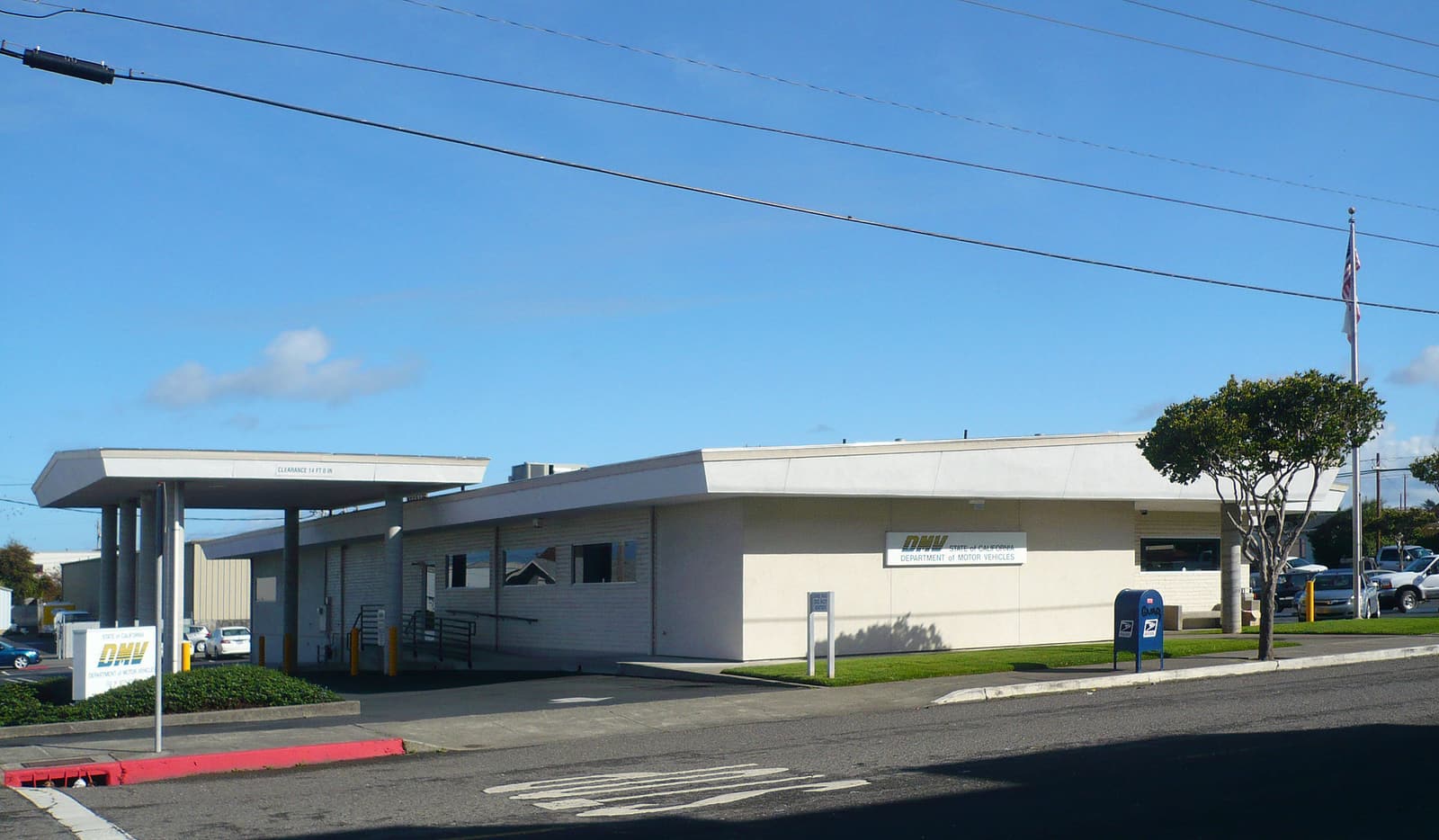
You sold the car, handed over the signed title, and moved on. Four months later a toll notice arrives in your name, then a parking ticket from a city you have never driven in. The buyer never registered the vehicle, and as far as the state is concerned it is still yours. Here is why this happens, what you are actually on the hook for, and how to get your name off it now.
Why buyers skip registration
It is rarely an oversight. The common reasons:
- Avoiding sales tax. Registering triggers the tax bill, so some buyers just drive on your plates or a paper tag.
- Flipping the car. An unlicensed reseller does not want to pay to title a car they plan to sell next week. That is title jumping, and it is illegal in every state.
- The car has a problem. It will not pass inspection or emissions, so registration stalls.
- Plain inertia. They meant to and never did.
What you are exposed to
The DMV record is what matters, and it still says you. That means parking tickets, toll violations, and red-light camera fines are mailed to you. If the car is abandoned or towed, the notice comes to you. In some states, an at-fault accident can pull the registered owner into the claim before the facts get sorted out. None of this means you ultimately lose, but each one requires you to respond with proof, and unanswered fines can escalate to a hold on your own registration.
The fix, in order
- File the release of liability now. Even if you missed the deadline, most states still accept a late notice of transfer and will update the record. You will need the VIN, the sale date, the odometer reading, and the buyer's name and address.
- Pull out your bill of sale. This is the document that decides every dispute, because it fixes the date ownership changed.
- Respond to any citation in writing. Send the agency the bill of sale and your release confirmation, showing the violation postdates the sale.
- Ask your state about reporting the buyer. Some states will pursue a buyer who failed to title within the statutory window.
- Confirm your insurance is off the vehicle once the record is updated.
For the full seller-side process, see our guide on the release of liability after selling a car.
What if you never wrote a bill of sale
This is where sellers get stuck. With no bill of sale and no release on file, you are arguing from memory. You can still help yourself: dig up the text messages or listing correspondence that show when the sale happened, any payment record (a bank deposit, a transfer receipt), and a copy or photo of the signed title if you have one. Then file the release of liability immediately so the exposure stops accumulating from today forward.
The buyer who resells without titling
If the buyer flips the car to someone else without ever putting it in their own name, the next owner ends up holding a title signed by you, to a person they never met. That is the classic title-jumping mess, and it can drag you back in as the last recorded owner. See title jumping and why it is illegal.
Preventing it next time
- File the release of liability the day of the sale, not later.
- Sign a dated bill of sale and keep your copy.
- Take your plates with you where your state keeps plates with the seller.
- Photograph the signed title, front and back, before handing it over.