
How to Sell a Gun Privately Without Breaking the Law

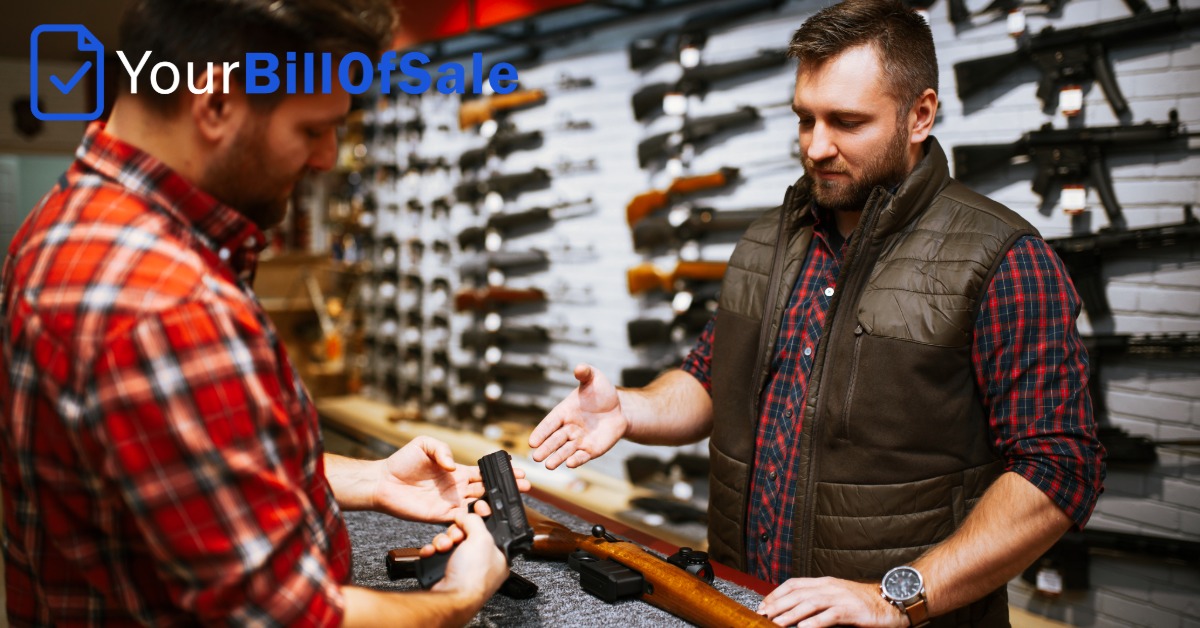
Private firearm sales are legal in most states, but the rules around them are specific enough that getting it wrong can cross the line from a simple transaction into a federal offense. This isn't an area where figuring it out as you go is a good strategy. Here's what you actually need to know before you sell a gun privately.
Federal Law Sets the Floor, State Law Often Goes Further
Under federal law, private individuals who are not licensed firearms dealers can sell guns to other private individuals without going through a federally licensed dealer or conducting a background check, as long as both parties are residents of the same state and the seller has no reason to believe the buyer is prohibited from owning a firearm. This is sometimes called the private sale exemption or the gun show loophole depending on who's describing it.
That federal baseline sounds permissive, but many states have added their own requirements on top of it. Some states require background checks for all firearm sales regardless of whether a licensed dealer is involved. Some require the transaction to go through a dealer even between private parties. Some require permits, waiting periods, or registration. Selling a gun in California operates completely differently than selling one in Georgia, and assuming your state follows the federal baseline without checking is a mistake.
States That Require Background Checks for Private Sales
As of 2026, a significant number of states require background checks for all firearm transfers including private sales. These states generally require the transaction to go through a federally licensed firearms dealer who runs the background check through the NICS system before the transfer can be completed. The dealer typically charges a transfer fee for this service.
States with universal background check requirements include California, Colorado, Connecticut, Delaware, Hawaii, Illinois, Maryland, Massachusetts, Michigan, Nevada, New Jersey, New Mexico, New York, Oregon, Pennsylvania, Rhode Island, Vermont, Virginia, and Washington among others. This list has grown in recent years and continues to change. Check your state's current law before proceeding, not a blog post from two years ago.
Know Who You Cannot Sell To
Regardless of what state you're in, federal law prohibits selling a firearm to anyone you know or have reasonable cause to believe falls into a prohibited category. This includes people who have been convicted of a felony, anyone convicted of a misdemeanor crime of domestic violence, people subject to certain restraining orders, anyone who has been adjudicated as mentally defective or committed to a mental institution, anyone who is an unlawful user of controlled substances, undocumented immigrants, people who have renounced their citizenship, anyone dishonorably discharged from the military, and fugitives from justice.
Selling to a prohibited person is a federal felony. It doesn't matter if you didn't know for certain. If you had reasonable cause to believe the buyer was prohibited and sold anyway, you're exposed. If the buyer tells you anything during the transaction that suggests they fall into one of these categories, stop the sale.
Sell Only to Residents of Your Own State
Federal law generally prohibits private individuals from selling handguns to residents of another state. Long guns, meaning rifles and shotguns, can be sold across state lines under certain conditions, but handgun transfers between private parties from different states must go through a licensed dealer in the buyer's home state. If you're selling to someone who drove in from out of state, the transaction needs to be structured carefully or routed through a dealer to be legal.
When in doubt, require the buyer to show a government-issued ID with a local address before completing any private firearm sale. It takes thirty seconds and removes any ambiguity about residency.
Document the Sale With a Firearm Bill of Sale
Even in states where a bill of sale isn't legally required for a private firearm sale, generating one is one of the most important things you can do to protect yourself. A signed firearm bill of sale creates a written record that the gun changed hands on a specific date, to a specific person, for a specific amount. It documents that the buyer represented themselves as legally eligible to own a firearm and that you completed the sale in good faith.
If the firearm is ever used in a crime after you sold it, your bill of sale is the documentation that establishes you were no longer the owner at the time. If the buyer later claims the sale never happened or disputes the terms, the signed document contradicts them. A private firearm sale without documentation leaves you with nothing to stand on if any of these scenarios come up.
What a Firearm Bill of Sale Should Include
A complete firearm bill of sale should identify both the buyer and seller by full legal name and address, include a government-issued ID number for both parties if possible, describe the firearm in full including make, model, caliber, and serial number, document the sale price and date of transfer, include a statement from the buyer confirming they are legally eligible to purchase and possess a firearm in their state, and carry signatures from both parties.
The serial number is particularly important. It's how a firearm is traced if it's ever used in a crime or reported stolen. Recording it in the bill of sale creates a clear link between that specific weapon and the transaction you completed on a specific date.
Ask for and Verify ID
In a private sale you're not running a background check through NICS unless your state requires it, but you should still ask for a government-issued photo ID and verify that the address matches your state. Write down the buyer's name and ID number on the bill of sale. This isn't just good practice, it's the kind of due diligence that demonstrates you acted in good faith if questions ever arise about the sale.
Some sellers also ask buyers to sign a statement on the bill of sale confirming they are not prohibited from purchasing or possessing a firearm. This doesn't verify the claim, but a buyer who lies on a signed document has committed a separate offense, and your good faith reliance on their representation provides you some protection.
Consider Going Through a Dealer Even When You Don't Have To
In states where private sales don't legally require a background check, routing the transaction through a licensed dealer anyway adds a layer of protection for everyone. The dealer runs the background check, completes the required paperwork, and takes on the transfer liability. You pay a transfer fee, typically between $25 and $75, and walk away knowing the sale was handled by the book regardless of what happens afterward.
For high-value firearms or sales to buyers you don't personally know, the transfer fee is cheap insurance. It removes your exposure almost entirely and gives the buyer confidence the transaction was handled properly.
Keep Your Records
After the sale is complete, keep your copy of the firearm bill of sale somewhere you can find it. Unlike licensed dealers who are required to keep records for 20 years, private sellers have no federal record-keeping mandate. But keeping your own records is straightforward common sense. A document you can produce years later showing you sold a specific firearm to a specific person on a specific date is worth far more than the few minutes it takes to file it away.
Private firearm sales are legal, common, and uncomplicated when handled correctly. The sellers who run into trouble are almost always the ones who treated the transaction casually and skipped the documentation. Know your state's requirements, verify the buyer's residency, complete a proper bill of sale, and keep your copy. That's the whole process done right.
Frequently Asked Questions
Who are you not allowed to sell a firearm to?
Federal law prohibits selling firearms to certain individuals, including convicted felons, people with domestic violence convictions, and those subject to restraining orders. It also includes individuals with certain mental health adjudications or illegal drug use. If you have reason to believe a buyer falls into any prohibited category, you must not proceed with the sale.
Do you need a background check for a private gun sale?
It depends on the state. Some states require all firearm sales, including private transactions, to go through a licensed dealer who conducts a background check. In other states, private sales may not require one, but the seller is still legally responsible for ensuring the buyer is not prohibited from owning a firearm.
Can you sell a firearm to someone from another state?
In most cases, you cannot directly sell a handgun to someone who lives in another state. Federal law generally requires interstate firearm transfers to go through a licensed dealer in the buyer’s state. For long guns, rules can vary, but using a dealer is often the safest and most compliant option.
Along with his duties at YourLeaseAgreement, Paul Oak is a writer covering private sale transactions, vehicle transfers, and consumer legal documents. He breaks down state-by-state requirements into plain English so buyers and sellers can navigate the paperwork without hiring a lawyer. When he's not researching DMV forms and title transfer deadlines, he's probably arguing about which state has the worst bureaucracy.
View all posts →Create Your Bill of Sale
Generate a state-specific, professionally formatted bill of sale in minutes.
Get Started - $5