
How to Sell a Boat Trailer (With or Without the Boat)

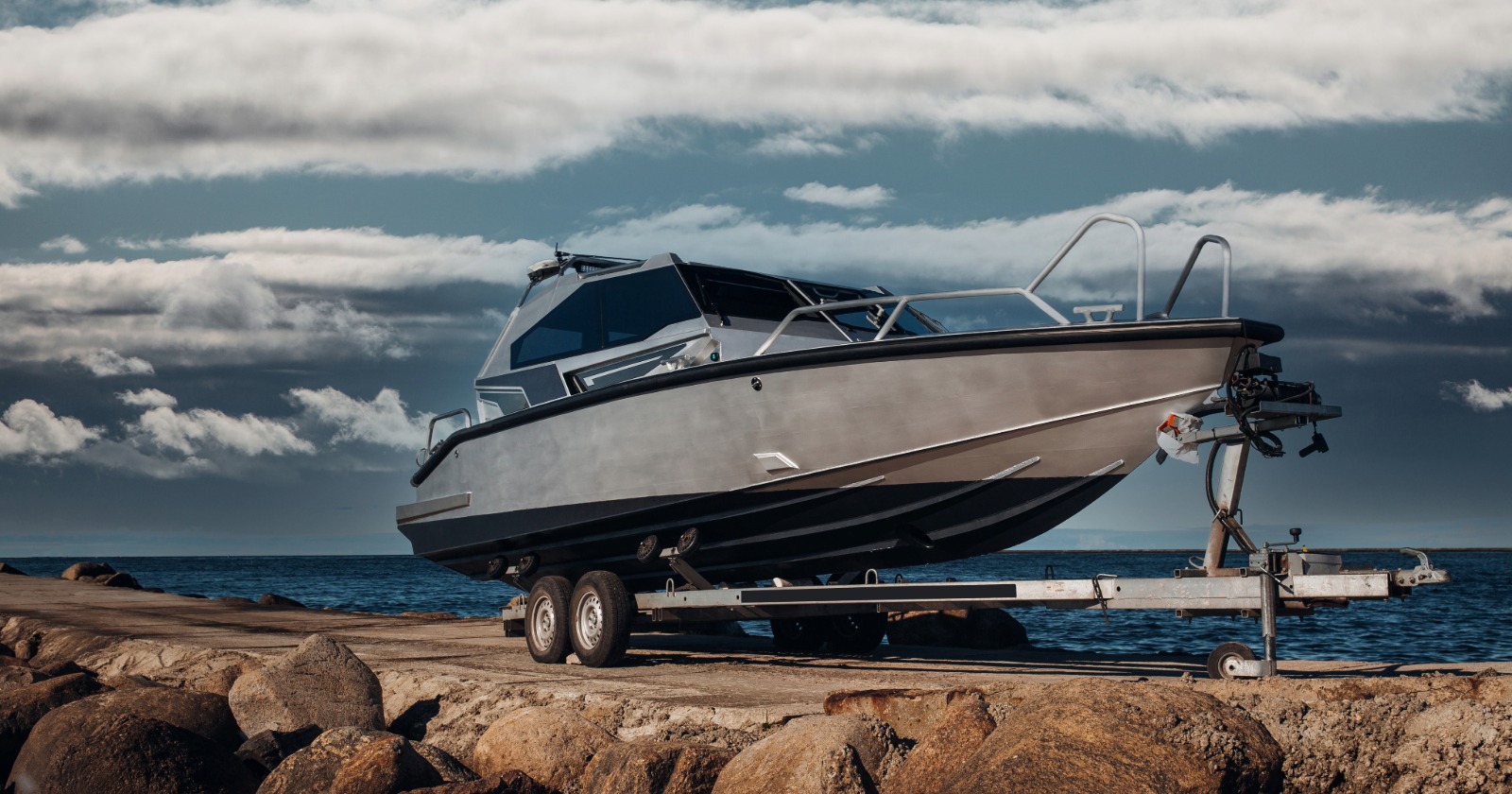
When people sell a boat, they often forget that the boat trailer is usually a separate vehicle with its own paperwork. In most states a trailer above a certain weight is titled and registered on its own, the same way a car is, even though it has no engine. That means selling the trailer, whether by itself or as part of a package, involves more than just handing over the keys to the tow vehicle.
This guide walks through both situations: selling the trailer alone, and selling it together with the boat. You will see what numbers to record, how to sign things over, and how to make sure you are not on the hook if the new owner has a problem down the road.
The Trailer Is Its Own Titled Vehicle
Here is the part that trips people up. A boat and its trailer are typically two separate titles. The boat itself is often titled and registered through a state boating or wildlife agency, while the trailer is handled by the motor vehicle agency like any other towable. So even if you sell them as a set, you may be transferring two documents, not one.
Because this varies, confirm how your state treats both. Some states title trailers above a weight threshold and only require a registration or a bill of sale for lighter ones. The point is to know, before the sale, exactly which documents you are responsible for handing over.
It also helps to think about how the buyer will use the trailer. If they are buying it to tow a different boat, they care most about the trailer title and registration. If they are buying your whole rig, they want both the boat and the trailer documented so they can put the entire setup on the water without a gap. Knowing the buyer's plan tells you which paperwork to have ready.
Weight Thresholds and Titling
Many states use a weight cutoff to decide whether a trailer needs a title at all. Below the threshold, a small utility-style trailer might only need a registration or a bill of sale. Above it, the trailer is titled like a car and the title is what proves ownership. Boat trailers can fall on either side of that line depending on the trailer and the state.
Check your state's threshold and whether your specific trailer is over or under it. If it is titled, the title is the document that matters most at sale time. If it is not titled, a clear bill of sale becomes your main proof that ownership changed. You can start the right paperwork from our trailer bill of sale page.
Recording the VIN or Serial Number
Every trailer worth titling has an identifying number, usually called a VIN or a serial number, stamped on the frame near the tongue. Find it before you write anything up. Trailer numbers can be short, worn, or hard to read, so clean the area and confirm the characters against the title or registration.
Write that number on every document you create. If you are also selling the boat, record the boat's hull identification number separately. Mixing up the two numbers, or copying one wrong, is a common reason a transfer gets bounced at the counter, so double-check both.
Take a clear photo of the number plate or stamping while you are at it. Trailer identification tags sit out in the weather and can corrode, and having a photo on file helps if a registration office questions a faded character later. It is a small step that saves a return trip to the agency.
Signing the Title and Writing the Bill of Sale
If the trailer is titled, sign it over to the buyer the same way you would a car. Fill in the buyer's name, the sale date, and the price where the title asks for it, and sign as the seller. Do not leave the buyer's name blank, because an open title is a liability you do not want floating around.
Pair the title with a bill of sale that lists both parties, the trailer's year, make, and VIN or serial, the price, and an as-is line. If you are selling the boat in the same deal, you can document the boat on its own form from our boat bill of sale page so each item has a clean paper trail. Two clear documents are far better than one vague one covering both.
If you sold the trailer and boat as a package for one price, you can still note the lump sum on each document and add a line explaining that the figure covers both items together. What you want to avoid is a single scrap of paper that lumps everything together with no detail. When the buyer registers the trailer and the boat through different agencies, each office wants to see its own clean record, so give them one for each.
Ending Your Liability
The whole reason to do the paperwork carefully is to end your responsibility for the trailer. Once it is sold, you do not want a ticket, a toll, or an accident tied to your name because the registration still points at you. Sign the title over, hand the buyer a copy of the bill of sale, and keep your own copy.
Many states also let you notify the motor vehicle agency that you sold the trailer, sometimes called a notice of transfer or a release of liability. If your state offers it, file it. Combined with your dated bill of sale, that filing is the cleanest way to prove the trailer was no longer yours after the sale date.
Do not forget to cancel or transfer any registration and remove the trailer from your insurance if you carried separate coverage on it. A boat trailer is easy to overlook because it spends most of its life parked, but it is still a registered asset in your name until you close out everything tied to it. Finish the title, the bill of sale, and the agency notice together, and you are genuinely done with it.
Frequently Asked Questions
Do I need a title to sell a boat trailer?
It depends on your state and the trailer's weight. Many states title trailers above a certain weight and require only a registration or bill of sale for lighter ones. Check your state's threshold; if the trailer is titled, you sign the title over, and if it is not, a clear bill of sale is your main proof of the sale.
Are the boat and the trailer one title or two?
Usually two. The boat is often titled or registered through a state boating or wildlife agency, while the trailer is handled by the motor vehicle agency. Even when you sell them as a package, you may be transferring two separate documents, so confirm what each one requires.
How do I make sure I am not liable after selling the trailer?
Sign the title over with the buyer's name filled in, give the buyer a copy of a dated bill of sale, and keep your own copy. Many states also let you file a notice of transfer or release of liability with the motor vehicle agency, which is the cleanest way to prove the trailer was no longer yours.
Along with his duties at YourLeaseAgreement, Paul Oak is a writer covering private sale transactions, vehicle transfers, and consumer legal documents. He breaks down state-by-state requirements into plain English so buyers and sellers can navigate the paperwork without hiring a lawyer. When he's not researching DMV forms and title transfer deadlines, he's probably arguing about which state has the worst bureaucracy.
View all posts →Create Your Bill of Sale
Generate a state-specific, professionally formatted bill of sale in minutes.
Get Started - $5