
How Long Do You Have to Transfer a Car Title After Buying?

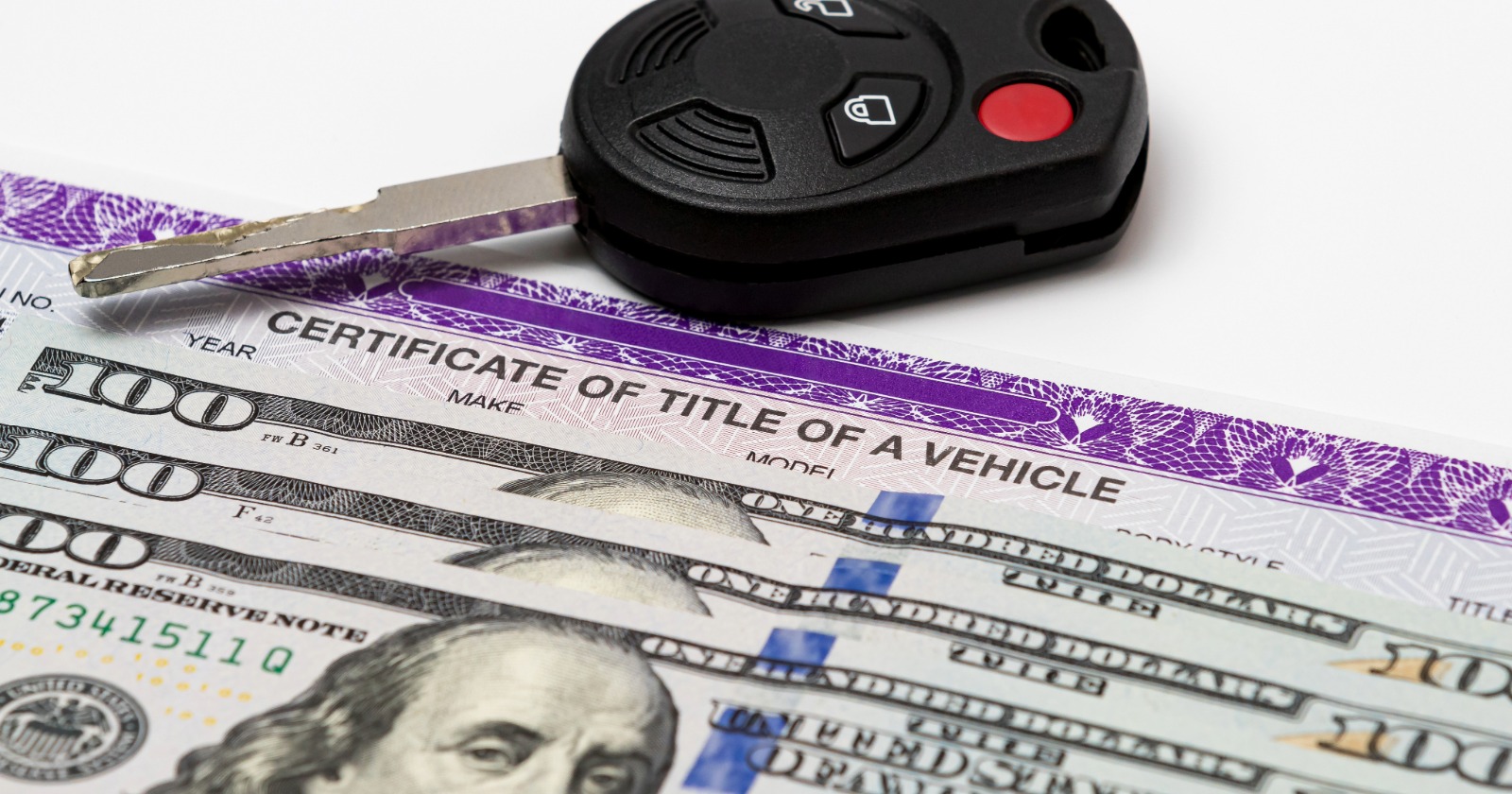
Buy a car and the clock starts immediately. Every state gives you a limited window to transfer the title into your name after a purchase, and that window is usually shorter than buyers expect. Miss it and you are looking at late fees that grow the longer you wait, and in some states a vehicle you cannot legally drive until the transfer is done. The exact deadline depends on where you live, but the principle is the same everywhere: a private vehicle sale is not finished when the money changes hands, it is finished when the title is in the new owner name, and the law expects that to happen promptly.
Why the Deadline Varies So Much by State
There is no national title transfer deadline, so each state sets its own. The windows commonly range from about ten days to a month or more from the date of sale, which is why the date on your bill of sale matters so much: it is what the clock counts from. Some states tie the deadline to registration, requiring you to title and register the vehicle within the same window, while others treat them as separate steps. Because the range is wide and the rules differ, the only reliable answer to "how long do I have" is to check your specific state, ideally before you buy, so the deadline does not surprise you. The one constant is that no state lets you sit on a signed title indefinitely.
What Happens If You Miss the Deadline
The most common penalty is a late fee, and it is often structured to get worse over time, a flat penalty that increases the longer the title goes untransferred. Beyond the money, a late transfer can hold up your registration, which means the car is not legally on the road until you sort it out. In some states an expired window can force you into additional paperwork or inspections you would have avoided by acting promptly. None of this is catastrophic, but all of it is avoidable, and it is purely a cost of delay. The buyers who get hit are almost always the ones who set the signed title aside meaning to deal with it next week, and next week became next month.
The Situations That Quietly Stop the Clock
A few common problems delay a transfer even when the buyer is ready to act, and they are worth knowing because they can eat your whole window. The biggest is an incomplete title from the seller: a missing signature, a blank odometer reading, a name that does not match, or a lien that was never released. The DMV will reject a flawed title, and fixing it means going back to the seller, which is easy while the relationship is fresh and hard once weeks have passed. This is exactly why you should inspect the title carefully at the moment of sale and not leave the seller until it is filled out completely and correctly. A vehicle bill of sale completed at the same time gives you a second record of the sale date and terms, which helps if any question comes up about when the clock started or what was agreed.
What to Do the Moment You Buy
Treat the title transfer as part of the purchase, not an errand for later. Before you and the seller part ways, confirm the title is signed, the odometer is filled in, the buyer information is correct, and any lien is released. Find out your state deadline and put it on your calendar that day. Gather what your DMV will want, which typically includes the signed title, the bill of sale, proof of insurance, and the fees and taxes due. Then go as soon as you reasonably can rather than waiting until the deadline looms, because a single missing item can mean a return trip you do not have time for if you waited until day nine of a ten day window.
Budget for the cost too, so it does not become a reason to delay. Titling and registering a car means paying the title fee, the registration fee, and the sales or use tax on the purchase price, and a buyer who shows up short on cash sometimes puts the whole trip off and blows the deadline. Knowing roughly what you will owe before you go, and bringing it with you, keeps the transfer from stalling at the counter. The deadline does not pause while you go home to sort out the money.
If a Notary Is Involved
A few states require the title transfer or the bill of sale to be notarized, and that adds a step you need to plan around within your deadline. If notarization is required, do not sign before you reach the notary, because the notary must witness the signing. You can confirm whether your state requires a notarized bill of sale with our notarization checker before the sale, so the notary visit is built into your timeline rather than discovered at the DMV counter. Knowing your deadline and your state requirements in advance is the whole game here. The transfer itself is routine. The penalties come from waiting, and the delays come from paperwork you could have checked at the moment of sale.
Frequently Asked Questions
How long do I have to transfer a car title after buying it?
It varies by state, commonly from about ten days to a month or more from the date of sale on your bill of sale. There is no national deadline, so each state sets its own, and some tie it to registration. Check your specific state rule, ideally before you buy, because the window is often shorter than people expect and missing it brings late fees.
What happens if I miss the title transfer deadline?
The usual penalty is a late fee that often increases the longer you wait. A late transfer can also hold up your registration, leaving the car not legally drivable until you resolve it, and some states require extra paperwork or inspections once the window expires. The penalties are entirely a cost of delay, so transferring promptly avoids all of them.
What can delay a car title transfer?
The most common cause is an incomplete title from the seller: a missing signature, a blank odometer reading, a mismatched name, or an unreleased lien. The DMV rejects flawed titles, and fixing them means going back to the seller, which is hard once weeks pass. Inspect the title carefully at the moment of sale and complete a bill of sale at the same time to avoid these holdups.
Jill Stradley writes about private sales, title transfers, and the paperwork that trips people up when buying or selling cars, boats, and everything in between. She got interested in the topic after a used car sale gone wrong taught her more about DMV requirements than she ever wanted to know. Now she breaks down what each state actually requires so other people don't have to learn the hard way.
View all posts →Create Your Bill of Sale
Generate a state-specific, professionally formatted bill of sale in minutes.
Get Started - $5