
How a Vehicle Power of Attorney Works in Alabama

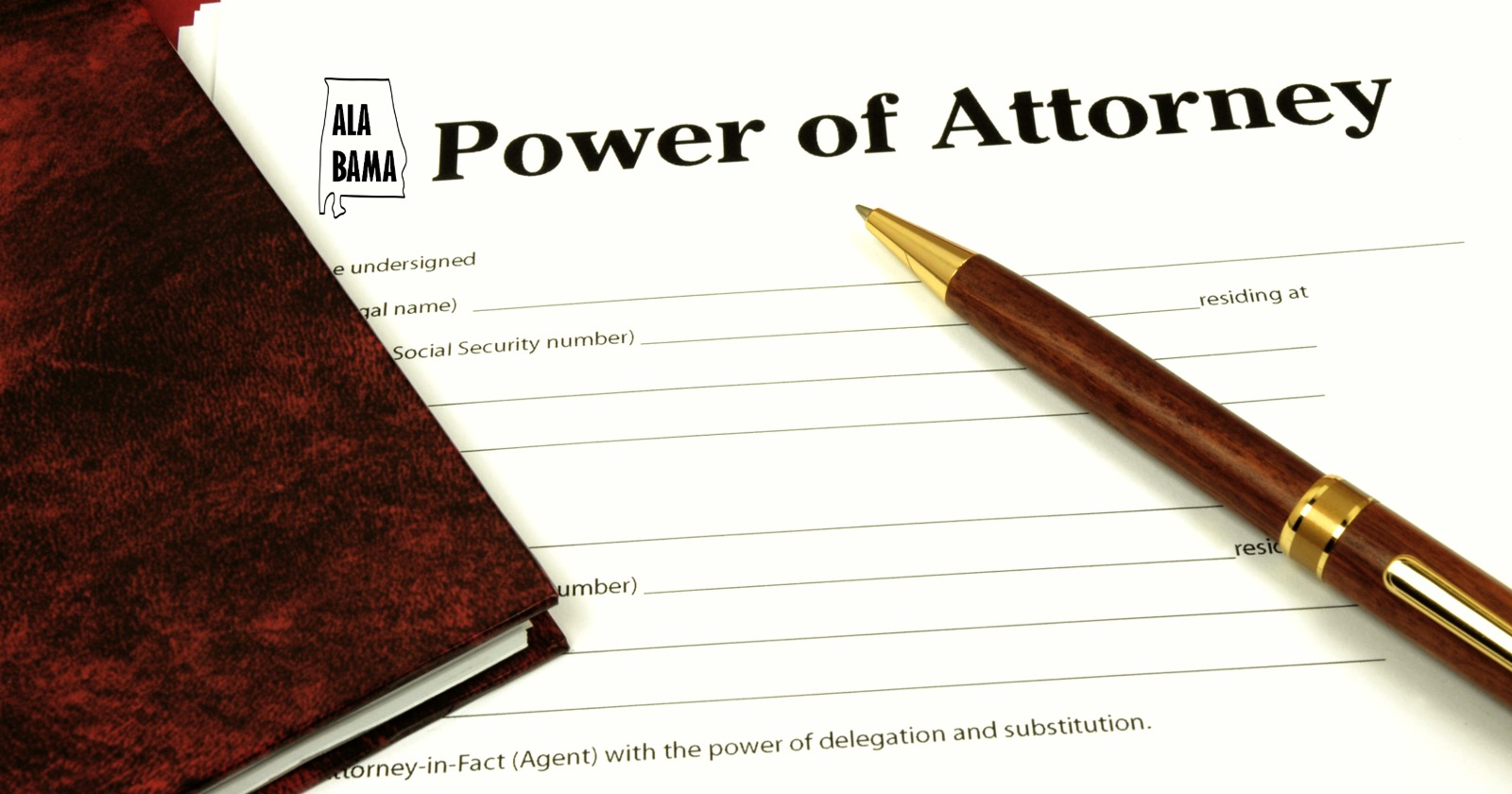
Most Alabama vehicle sales go smoothly when the title owner is present and able to sign. When they're not, that's where transactions stall. A vehicle power of attorney is the document that keeps the sale moving when the person whose name is on the title can't be there in person. Here's how it works in Alabama, when you need one, and what happens if you try to close without it.
What a Vehicle Power of Attorney Actually Does
A vehicle power of attorney authorizes a specific person to sign title documents and complete a vehicle transaction on behalf of the title owner. The person granting the authority is called the principal. The person receiving it is the agent or attorney-in-fact. Once properly executed, the agent can sign the title, complete the bill of sale, and handle the transaction as if they were the owner.
The key word is specific. A vehicle POA isn't a general authorization to manage someone's affairs. It covers a defined vehicle transaction, names the specific vehicle by VIN, and authorizes the agent to act within the scope of that transaction only. A general power of attorney, even a broad one, may or may not be accepted by the Alabama DMV for title transfer purposes. A vehicle-specific POA is the document that works without question.
When You Need One in Alabama
The situations that come up most often are straightforward. The title owner is deployed or stationed out of state with the military. One spouse handles all the financial logistics and the other is never available for paperwork. The seller is elderly or ill and can't travel to complete the transaction. Someone is selling a vehicle inherited from a parent and the estate process requires specific authorization. A couple is divorcing and the vehicle needs to transfer but one party is uncooperative or unreachable.
Less obvious situations include selling a vehicle owned by an LLC or other business entity where the authorized signer can't be present, or selling a vehicle on behalf of someone who is traveling internationally and can't return in time to close the deal. In any of these cases, a properly executed Alabama vehicle power of attorney is what allows the transaction to proceed legally.
Alabama's Notarization Requirement for Vehicle POAs
Alabama doesn't require notarization for a standard vehicle bill of sale. That changes for a vehicle power of attorney. The Alabama DMV requires vehicle POAs to be notarized to be valid for title transfer purposes. The principal, meaning the title owner, needs to sign the document in front of a commissioned notary public who verifies their identity and witnesses the signature.
This is the step that catches people off guard, particularly when the title owner is out of state or otherwise unavailable. The notarization has to happen where the principal is, not where the transaction is taking place. If the title owner is in Georgia and the car is being sold in Alabama, the POA gets notarized in Georgia and then used by the agent in Alabama to complete the transaction.
Use the Notarization and Title Requirements Checker to confirm the current notarization requirements for Alabama vehicle POAs before you proceed. Requirements can be updated and verifying against current state standards takes ten seconds.
What the Alabama Vehicle POA Needs to Include
A complete Alabama vehicle power of attorney needs to identify the principal by full legal name and address, identify the agent by full legal name and address, describe the specific vehicle being transferred by year, make, model, and VIN, state clearly what the agent is authorized to do including signing the title and completing the bill of sale, include the date the document was executed, and include the principal's signature witnessed and notarized.
Generic power of attorney forms downloaded from general legal websites often miss the vehicle-specific fields that Alabama's DMV expects to see. A document that doesn't describe the specific vehicle or clearly define the agent's authorization scope may be rejected at the county license plate office. Generate a state-specific vehicle POA that includes all required fields rather than adapting a general form.
How the Agent Signs the Title
When the agent signs the title on behalf of the principal, they sign in a representative capacity, not as themselves. The signature block typically reads something like "John Smith by Jane Doe, Attorney-in-Fact" or "John Smith, by POA." Signing just the agent's own name without indicating the representative capacity creates ambiguity about who signed and in what authority.
The Alabama DMV clerk will want to see the original or a certified copy of the notarized POA alongside the signed title. Bring the actual document to the transaction, not a photo or a photocopy unless the DMV has confirmed they'll accept it. Original notarized documents carry more authority than copies and some county offices are strict about this.
The Bill of Sale When a POA Is Involved
The vehicle bill of sale in a POA transaction needs to reflect the correct seller information. The title owner is the seller of record, not the agent. The bill of sale should list the title owner's name as the seller, note that the signing party is acting under power of attorney, and include both names where appropriate. A bill of sale that lists only the agent as the seller creates a mismatch with the title that the DMV clerk will flag.
Alabama doesn't require notarization for the bill of sale itself, which means the bill of sale and the vehicle POA have different execution requirements. The POA needs notarization. The bill of sale needs signatures from both buyer and agent acting on the seller's behalf. Keep the two documents clear and separate.
Buying a Vehicle With a POA in Alabama
If you're the buyer purchasing from a seller who is represented by an agent under a POA, ask to see the POA document before completing the transaction. You have every right to verify that the person signing the title on the seller's behalf actually has the legal authority to do so. An agent who can't produce the notarized POA is an agent whose authorization you can't verify, which means the title you receive may have a defective signature on it.
A title signed by an unauthorized third party creates a chain of title problem that surfaces when you try to register the vehicle. The Alabama DMV will reject the transfer if the signature on the title can't be tied back to a verifiable authorization. That problem becomes yours to resolve once you've paid and the seller is no longer involved. Verify the POA before you pay.
How Long an Alabama Vehicle POA Remains Valid
A vehicle POA in Alabama is typically valid for a specific transaction rather than an open-ended period. Once the transaction it was created for is complete, the authorization ends. If the sale falls through and a new buyer is found months later, a new POA should be executed for the new transaction rather than relying on the original.
Some POAs include a specific expiration date. If the transaction doesn't close before that date, the document is no longer valid and needs to be redone. Build the timeline for the sale around the POA's validity period rather than letting the document expire mid-transaction.
When a POA Isn't Enough
A vehicle POA works when the principal is alive and competent to grant authorization. If the title owner has become incapacitated after the POA was executed, most standard POAs become invalid at that point unless they were specifically drafted as durable powers of attorney that survive incapacity. An estate or probate attorney can advise on whether a durable POA or a different legal mechanism is needed in those circumstances.
If the title owner has passed away, a POA is no longer the right document. The vehicle is now part of the estate and the transfer authority comes from letters testamentary, a small estate affidavit, or another estate administration document depending on whether the estate went through probate and the state's specific rules for small estate transfers. The county license plate office can tell you what documentation they require for a title transfer from a deceased owner's estate.
Alabama's Title Transfer Process for the Buyer
Once the transaction is complete, the buyer takes the signed title, the notarized vehicle POA, and the bill of sale to their county license plate office to complete the registration and title transfer. Alabama buyers have a specific window to complete the transfer before late fees apply. The documentation package needs to be complete before going in because missing documents mean a second trip.
If the vehicle is being transferred as part of a sale that also involves a trailer, motorcycle, or boat, each titled asset transfers separately. A motorcycle sold alongside a car needs its own bill of sale and its own POA if the title owner isn't present. A boat with its own title follows the same rule. One POA doesn't cover multiple vehicle titles unless it was specifically drafted to authorize transfers of multiple described vehicles.
The Practical Checklist for an Alabama POA Vehicle Sale
Title owner executes a notarized Alabama vehicle power of attorney naming the agent and describing the specific vehicle by VIN. Agent brings the original notarized POA to the transaction. Agent signs the title in representative capacity, not as themselves. Bill of sale completed with title owner listed as seller and agent identified as signing under POA. Buyer receives signed title, original or certified copy of POA, and their copy of the bill of sale. Buyer takes the complete package to their county license plate office within the required transfer window.
The POA is the document that makes a transaction possible when the title owner can't be there. Get it executed and notarized before the buyer shows up, not after they're standing in the driveway. A title signed without proper authorization creates a defect that can take months and potentially legal intervention to correct, and that problem falls on whoever holds the defective title, which is the buyer.
Frequently Asked Questions
What is an Alabama vehicle power of attorney used for?
An Alabama vehicle power of attorney lets someone else sign title documents, complete the bill of sale, and handle a vehicle transaction when the title owner cannot be present.
Does an Alabama vehicle power of attorney need to be notarized?
Yes, Alabama requires a vehicle power of attorney to be notarized for title transfer purposes, even though a standard vehicle bill of sale does not require notarization.
When do you need a vehicle POA in Alabama?
You may need one when the title owner is out of state, deployed, elderly, ill, traveling, unavailable, or when a business-owned vehicle must be sold by an authorized agent.
Jill Stradley writes about private sales, title transfers, and the paperwork that trips people up when buying or selling cars, boats, and everything in between. She got interested in the topic after a used car sale gone wrong taught her more about DMV requirements than she ever wanted to know. Now she breaks down what each state actually requires so other people don't have to learn the hard way.
View all posts →Create Your Bill of Sale
Generate a state-specific, professionally formatted bill of sale in minutes.
Get Started - $5